Introduction
The Pleasant Gerbil (Gerbillus amoenus) is a small mammal species belonging to the family Muridae. Known for its endearing appearance and lively behavior, this gerbil species thrives in arid and semi-arid environments. As a member of the rodent family, it shares many characteristics with its fellow gerbils but stands out due to its unique adaptations and behaviors that suit its natural habitat. This article delves into the various aspects of the Pleasant Gerbil’s life, offering insights into its physical characteristics, habitat preferences, behavior, diet, conservation status, and tips for identification.
Physical Description
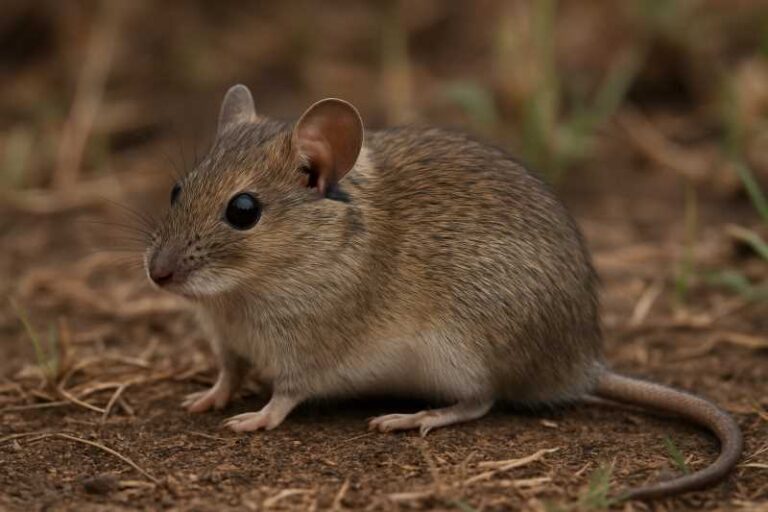
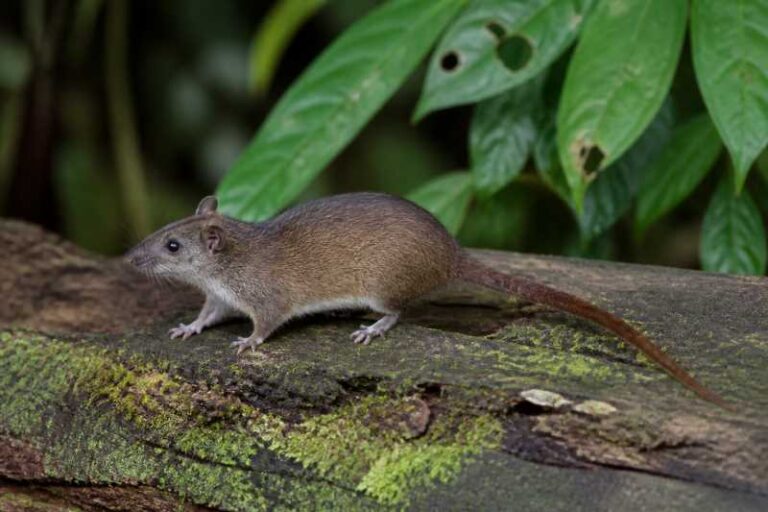
The Pleasant Gerbil is a petite rodent, typically measuring between 10 to 12 centimeters in body length, not including its tail, which adds another 8 to 10 centimeters. It generally weighs between 40 to 60 grams. The species exhibits a soft, sandy-colored fur that provides effective camouflage against the desert and scrubland environments it inhabits. This fur coloration ranges from light beige to a more reddish-brown hue, with a lighter underbelly.
The Pleasant Gerbil possesses large, dark eyes adapted for low-light conditions, which is typical of nocturnal animals. Its long hind legs and feet are well-suited for jumping and quick movements, aiding in both predator avoidance and efficient foraging. The ears are relatively large, enhancing its auditory capabilities, which is crucial for detecting potential threats and communication with other gerbils.
Range and Habitat
Gerbillus amoenus is predominantly found across North Africa, with its range extending through countries such as Egypt, Libya, and parts of Algeria. Its preferred habitats are characterized by sandy and rocky deserts, semi-arid regions, and scrublands. These environments provide the gerbil with the necessary conditions to thrive, including adequate shelter and food sources.
The Pleasant Gerbil’s burrowing behavior is a significant adaptation to its habitat. It constructs intricate burrow systems that provide shelter from extreme temperatures, both hot and cold, and offer protection from predators. These burrows are typically located in areas with loose, sandy soil that is easy to excavate.
Behavior and Diet
The Pleasant Gerbil is a nocturnal creature, emerging from its burrow at night to forage for food. This behavior helps it avoid the extreme heat of the day and reduces its risk of predation. Gerbillus amoenus is primarily herbivorous, feeding on a diet that consists of seeds, grains, and vegetation. However, it may occasionally consume insects, providing a source of protein.
Socially, the Pleasant Gerbil is relatively solitary, though it may share its burrow with a mate or offspring. Communication among these gerbils involves a range of vocalizations and tactile interactions, which play a role in mating and territorial behaviors.
Identification Tips
Field recognition of the Pleasant Gerbil can be challenging due to its nocturnal nature and elusive behavior. However, several key features can aid in identification:
- Fur Coloration: Look for the distinct sandy to reddish-brown fur with a lighter underbelly.
- Body Size: Note the small body size, with a total length (including tail) of approximately 18 to 22 centimeters.
- Tail: Observe the long tail with a tuft of hair at the end, which aids in balance and maneuverability.
- Ears and Eyes: Identify the large ears and eyes, which are adaptations for nocturnal life.
Conservation Status
Currently, the Pleasant Gerbil is classified as a species of Least Concern by the IUCN Red List. However, it faces several threats that could impact its population in the future. Habitat degradation due to human activities such as agriculture and urbanization poses a significant risk, as does climate change, which can alter its natural habitat.
Conservation efforts for Gerbillus amoenus primarily focus on habitat preservation and environmental education. Protected areas and reserves in its range help ensure the preservation of its habitat, while raising awareness about the species can foster community support for conservation initiatives.
Frequently Asked Questions
1. What is the natural habitat of the Pleasant Gerbil?
The Pleasant Gerbil thrives in arid and semi-arid regions, including sandy and rocky deserts and scrublands across North Africa, particularly in countries like Egypt, Libya, and Algeria.
2. How does the Pleasant Gerbil adapt to its environment?
The species has several adaptations, including sandy-colored camouflage fur, nocturnal behavior to avoid daytime heat, and burrowing habits that offer protection from predators and temperature extremes.
3. What do Pleasant Gerbils eat?
Primarily herbivorous, the Pleasant Gerbil’s diet consists of seeds, grains, and vegetation, though it may occasionally consume insects for additional protein.
4. Are Pleasant Gerbils endangered?
The Pleasant Gerbil is currently listed as a species of Least Concern, though habitat loss and climate change pose potential threats. Conservation efforts aim to protect its natural habitats.
5. How can you identify a Pleasant Gerbil in the wild?
Key identification features include its sandy to reddish-brown fur, small body size, long tufted tail, and large eyes and ears, which are adapted for nocturnal life.
Related posts