Introduction
The Blackish Deermouse, scientifically known as Peromyscus furvus, is a lesser-known species within the diverse genus Peromyscus. These small rodents are predominantly found in the mountainous regions of Mexico and are known for their nocturnal habits and unique adaptations to their environment. Although often overshadowed by more prominent mammal species, the Blackish Deermouse plays a crucial role in its ecosystem, contributing to seed dispersion and serving as prey for various predators.
This article delves into the various aspects of the Blackish Deermouse, from its physical description and habitat preferences to its dietary habits and conservation status. By understanding these factors, we can better appreciate the ecological niche occupied by this intriguing species and the challenges it faces in a changing world.
Physical Description
The Blackish Deermouse is a small-sized rodent, typically weighing between 20 to 30 grams. Its body length ranges from 8 to 10 centimeters, with a tail that is nearly equal to or slightly shorter than its body, measuring approximately 7 to 9 centimeters. The species is characterized by its dark fur, which ranges from blackish-brown to a deep gray, providing excellent camouflage against the rocky and forested terrains it inhabits.
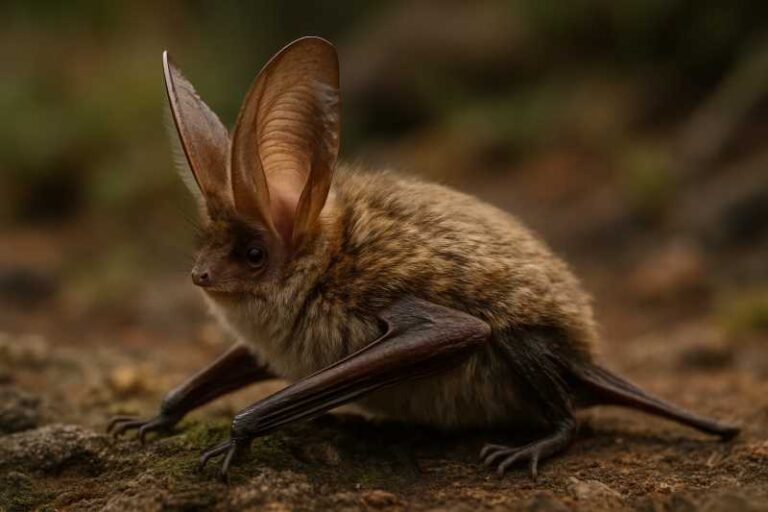
The fur on its belly is usually lighter, often appearing white or pale gray, which contrasts sharply with its darker dorsal side. This countershading is a common adaptation among small mammals, aiding in predator evasion. The ears of the Blackish Deermouse are relatively large and rounded, enhancing its auditory capabilities, which are crucial for detecting predators and navigating its environment at night.
Their eyes are also large and adapted for nocturnal vision, allowing them to forage effectively under low-light conditions. The whiskers are long and sensitive, helping the deermouse explore its environment in search of food and shelter.
Range and Habitat
The Blackish Deermouse is primarily found in the mountainous regions of Mexico, particularly within the Sierra Madre Oriental and Sierra Madre del Sur ranges. These areas are characterized by a mix of temperate and tropical climates, providing a range of habitats from pine-oak forests to cloud forests.
The species thrives in areas with dense underbrush and rocky outcrops, which offer both ample foraging opportunities and protection from predators. The elevation range for the Blackish Deermouse typically spans from 1,500 to 3,000 meters above sea level, where the climate is cooler and more humid compared to the lowlands.
These habitats are critical for the deermouse as they host a variety of plant species whose seeds and fruits are integral to its diet. Additionally, the complex terrain offers numerous hiding spots from predators such as owls, snakes, and carnivorous mammals.
Behavior and Diet
The Blackish Deermouse is nocturnal, spending its nights foraging for food and its days resting in nests made from leaves and other plant materials. These nests are typically hidden in crevices or burrows, providing warmth and protection.
Their diet is omnivorous but primarily consists of seeds, fruits, and insects. The availability of these food sources can vary with the seasons, prompting the deermouse to adapt its foraging strategies accordingly. During periods of abundance, the Blackish Deermouse may hoard food supplies to sustain itself during leaner times.
Socially, the Blackish Deermouse tends to be solitary or found in small family groups. They communicate through a series of vocalizations and scent markings, which are critical for establishing territory and identifying mates.
Identification Tips (field recognition cues)
Identifying the Blackish Deermouse in the field requires attention to several key characteristics:
- Fur Coloration: Look for the distinctive blackish-brown to deep gray fur, with a lighter underbelly.
- Size and Shape: Note the small size, with a body length of 8-10 cm and a tail that is nearly as long as the body.
- Ears and Eyes: Observe the large, rounded ears and large eyes, which are adaptations for nocturnal activity.
- Habitat: Check for the presence of this species in mountainous regions with dense underbrush and rocky terrains.
- Behavior: Watch for nocturnal activity patterns and nesting habits, which include creating nests from leaves and plant materials.
Conservation Status (with threats and protections)
The conservation status of the Blackish Deermouse is currently listed as "Least Concern" by the International Union for Conservation of Nature (IUCN). However, like many species with limited ranges, it faces several threats that could impact its populations in the future.
Threats
- Habitat Loss: Deforestation and land conversion for agriculture are significant threats, reducing the availability of suitable habitats.
- Climate Change: Alterations in climate patterns can affect the availability of food resources and suitable habitats, especially in mountainous regions.
- Predation: Natural predators, while necessary for ecosystem balance, can also impact population numbers, especially if other threats increase their vulnerability.
Protections
- Protected Areas: Many of the regions where the Blackish Deermouse resides are within protected national parks and reserves, which help safeguard its habitat.
- Conservation Programs: Initiatives aimed at preserving mountain ecosystems indirectly benefit the Blackish Deermouse by maintaining the ecological balance necessary for its survival.
Frequently Asked Questions
What is the primary diet of the Blackish Deermouse?
The Blackish Deermouse primarily feeds on seeds, fruits, and insects. This omnivorous diet allows it to adapt to varying seasonal availabilities in its mountainous habitat.
Where can the Blackish Deermouse be found?
This species is found in the mountainous regions of Mexico, particularly within the Sierra Madre Oriental and Sierra Madre del Sur, at elevations between 1,500 to 3,000 meters.
How does the Blackish Deermouse avoid predators?
The Blackish Deermouse uses its dark fur for camouflage, its large ears and eyes for detecting predators, and its nocturnal habits to avoid daytime threats. It also constructs well-hidden nests for protection.
What threats does the Blackish Deermouse face?
Major threats include habitat loss due to deforestation and climate change, which can impact food availability and suitable living conditions.
How can I identify a Blackish Deermouse in the wild?
Look for a small rodent with dark fur and a lighter belly, large rounded ears, and a habitat consisting of mountainous regions with dense underbrush.
Related posts