The Glaucous Tanager: A Jewel of the Neotropics
The world of avian wonders is vast and diverse, but few species capture the imagination quite like the Glaucous Tanager (*Thraupis glaucocolpa*). Known for its striking plumage and melodious calls, this bird is a quintessential example of the beauty and complexity of the Neotropical fauna. In this article, we will delve into the characteristics, habitat, behavior, and conservation status of this fascinating bird.
Characteristics
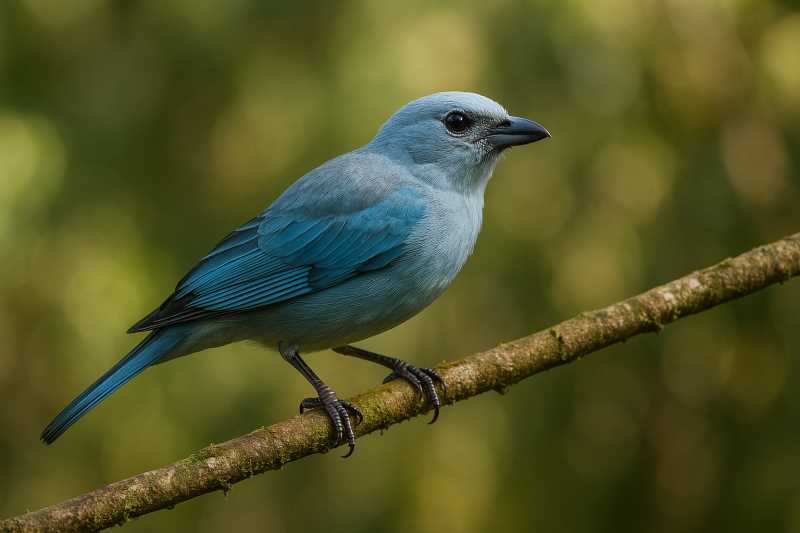
The Glaucous Tanager is a medium-sized passerine bird, measuring approximately 18 centimeters in length. Its most distinguishing feature is its plumage, which is predominantly a soft, powdery blue, giving it the “glaucous” hue from which its name is derived. The bird’s underparts are generally lighter, often exhibiting a subtle bluish-white coloration. Its wings and tail are more vibrant, with deeper blue and occasional hints of green.
The bird’s beak is stout and slightly curved, well-suited for its primarily frugivorous diet, though it also occasionally consumes insects. Its eyes are dark and expressive, set against the backdrop of its vivid plumage, which makes it a sight to behold in its natural habitat.
Habitat and Distribution
The Glaucous Tanager is native to the Neotropical regions of South America, with its range encompassing parts of Colombia, Venezuela, and the islands of Trinidad and Tobago. It primarily inhabits humid forests and wooded areas, often preferring the edges of forests where it can find abundant fruiting trees and shrubs.
These tanagers are generally non-migratory, staying within their range year-round. Their preference for forest edges and secondary growth areas makes them somewhat adaptable to environmental changes, though they are still susceptible to habitat destruction.
Behavior and Diet
Glaucous Tanagers are social birds, often found in small flocks, especially during the non-breeding season. They are diurnal, with most of their activities, including foraging and social interactions, occurring during daylight hours.
Their diet primarily consists of fruits, which they adeptly pluck with their strong beaks. They play a vital role in their ecosystem as seed dispersers, aiding in the propagation of various plant species. Insects and small invertebrates supplement their diet, especially during the breeding season when the nutritional demands are higher.
Breeding typically occurs during the rainy season when food resources are abundant. The female is primarily responsible for nest building, constructing a cup-shaped nest in the fork of a tree branch. Both parents partake in feeding the chicks, ensuring their rapid growth and development.
Vocalizations
The vocal repertoire of the Glaucous Tanager is both varied and melodious, characterized by a series of clear, whistling notes that can be heard echoing through the forest. These calls serve multiple purposes, including mate attraction, territory defense, and communication within flocks.
Conservation Status
Currently, the Glaucous Tanager is classified as a species of Least Concern by the International Union for Conservation of Nature (IUCN). However, like many forest-dependent species, it faces threats from habitat destruction due to deforestation and agricultural expansion. Conservation efforts are crucial to ensuring that this species, along with countless others, continues to thrive in its natural habitat.
Efforts to preserve the Glaucous Tanager’s habitat focus on sustainable land use practices and the protection of critical forest areas. Additionally, environmental education programs aim to raise awareness about the importance of biodiversity and the role that each species plays in maintaining ecological balance.
Conclusion
The Glaucous Tanager is a remarkable example of the rich biodiversity found within the Neotropics. Its stunning appearance, coupled with its ecological importance, makes it a species worthy of admiration and protection. As we continue to explore and understand the natural world, the Glaucous Tanager serves as a reminder of the delicate interconnections within ecosystems and the need for concerted conservation efforts.
By appreciating and safeguarding such species, we not only preserve the natural beauty of our planet but also ensure the sustainability of the ecosystems that sustain us.
Related posts