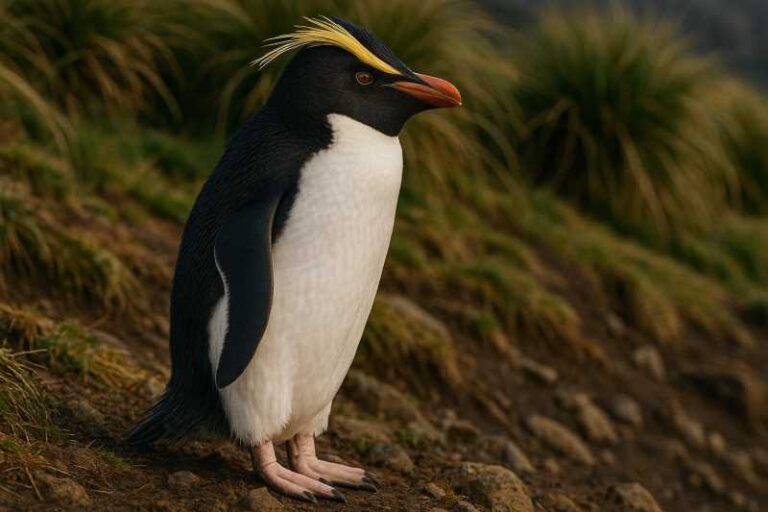
The Black-crested Finch: A Detailed Exploration of Lophospingus pusillus
The avian world is rich with diversity, showcasing an array of colors, behaviors, and adaptations. Among these fascinating creatures is the Black-crested Finch (Lophospingus pusillus), a bird that may not be as widely known as some of its more flamboyant counterparts but is nonetheless a subject of interest for ornithologists and bird enthusiasts alike. This article delves into the taxonomy, habitat, behavior, diet, and conservation status of this intriguing species.
Taxonomy and Classification
The Black-crested Finch belongs to the family Thraupidae, which is a large and diverse group of birds known as tanagers. The genus Lophospingus comprises only two species, the Black-crested Finch and the closely related Ringed Warbling-Finch (Lophospingus griseocristatus). The species name “pusillus” is derived from Latin, meaning “small,” an apt descriptor for this petite bird.
First described by the English ornithologist Philip Sclater in 1882, the Black-crested Finch has since been a subject of study and admiration. Its distinct appearance and behaviors set it apart from other finches, making it a unique member of the bird kingdom.
Physical Description
The Black-crested Finch is a small bird, measuring approximately 13 to 14 centimeters in length. As its name suggests, one of its most distinguishing features is its striking black crest, which is a prominent tuft of feathers atop its head. This crest is not just for show; it plays a role in communication and mating displays.
The plumage of the Black-crested Finch is predominantly gray, with a lighter underbelly and darker wings. The sharp contrast between the black crest and the rest of its body gives it a distinctive appearance that is easily recognizable in the wild.
Habitat and Distribution
This species is native to South America, with its range extending across parts of Argentina, Bolivia, and Paraguay. It favors open habitats, often found in dry, scrubby areas, savannas, and sometimes in agricultural regions where it can take advantage of the open landscape.
The Black-crested Finch is adaptable within its preferred habitat, often seen foraging on the ground or perching conspicuously on low branches. Its ability to thrive in these environments is partly due to its versatility in diet and behavior.
Behavior and Diet
A gregarious bird by nature, the Black-crested Finch is often observed in small flocks, particularly outside the breeding season. These flocks are generally composed of family groups that exhibit cooperative behaviors, such as foraging and predator vigilance.
The diet of the Black-crested Finch is primarily granivorous, feeding on a variety of seeds. It also consumes insects and other small invertebrates, especially during the breeding season when the nutritional demands are higher. This dietary flexibility is crucial for its survival in the often sparse environments it inhabits.
Reproduction and Lifespan
Breeding for the Black-crested Finch typically occurs during the Austral spring and summer, from September to December. The species is monogamous, with pairs forming strong bonds that can last for multiple breeding seasons.
Nests are usually constructed in low shrubs or small trees, composed of twigs, grasses, and other plant materials. The female typically lays two to three eggs, which are incubated for about 13 to 15 days. Both parents participate in feeding the chicks, which fledge approximately two weeks after hatching.
The lifespan of the Black-crested Finch in the wild is not well-documented, but it is believed to be similar to other small passerines, ranging from 5 to 10 years.
Conservation Status
Currently, the Black-crested Finch is listed as Least Concern by the International Union for Conservation of Nature (IUCN). Despite its relatively stable population, the species does face threats from habitat destruction and fragmentation, primarily due to agricultural expansion and land development.
Conservation efforts are essential to ensure the continued survival of this species. Protecting habitats and promoting sustainable land-use practices are critical components of these efforts, as they help mitigate the adverse impacts of human activities.
Conclusion
The Black-crested Finch is a fascinating bird that embodies the resilience and adaptability of avian species in South America. Its distinctive appearance, social behaviors, and ecological versatility make it an intriguing subject of study for bird watchers and researchers alike.
While it currently enjoys a stable conservation status, ongoing efforts to preserve its natural habitat are imperative. By understanding and appreciating species like the Black-crested Finch, we can foster a greater awareness of the intricate balance within ecosystems and the importance of biodiversity.
As we continue to explore and document the natural world, the Black-crested Finch stands as a reminder of the wonders of avian life and the need to protect it for future generations.
Related posts