The Asian Golden Weaver: A Master Architect of the Avian World
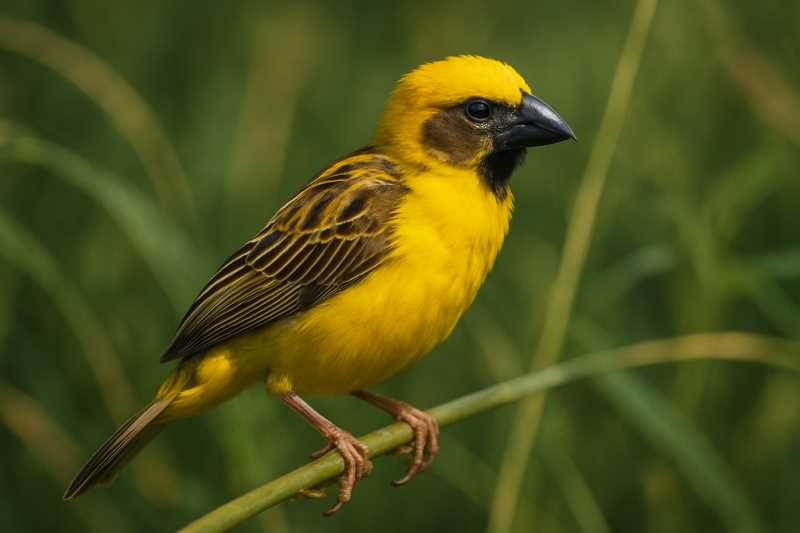
The Asian Golden Weaver (Ploceus hypoxanthus) is a captivating bird species known for its vibrant plumage and intricate nest-building skills. Native to Southeast Asia, this remarkable bird is a member of the Ploceidae family, which includes a variety of weaver species renowned for their elaborate woven nests. This article delves into the unique characteristics, habitat, behavior, and conservation efforts surrounding the Asian Golden Weaver, offering a comprehensive understanding of this avian marvel.
Physical Characteristics
The Asian Golden Weaver is a small passerine bird, measuring approximately 15 centimeters in length. The male weaver is particularly striking during the breeding season, boasting bright yellow plumage with a contrasting black mask and throat. This vibrant coloration serves to attract females and establish territory. Females, on the other hand, are more subdued in appearance, with olive-brown upperparts and a pale yellow underbelly, which aids in camouflage when nesting.
Habitat and Distribution
Asian Golden Weavers are primarily found across the wetlands and grasslands of Southeast Asia, including Thailand, Cambodia, Vietnam, and the Malay Peninsula. They thrive in areas with abundant water sources, such as marshlands, rice paddies, and riverbanks, where they can find ample food and nesting materials. The availability of tall grasses and reeds is crucial for their nesting activities, as these materials are used extensively in their intricate nest construction.
Nesting Behavior
One of the most fascinating aspects of the Asian Golden Weaver is its elaborate nesting behavior. Male weavers construct intricately woven nests to attract potential mates. These nests are suspended from tall grasses or reeds over water, providing protection from predators. The construction process is a meticulous task, involving the use of grasses, strips of palm leaves, and other plant materials.
The male begins by weaving a ring or a circular frame, which serves as the nest’s foundation. He then adds layers of interwoven grasses to form a secure, enclosed structure, complete with an entrance tunnel pointing downward. This design not only prevents predation but also shelters the occupants from rain. Once the nest is complete, the male performs a series of displays, showcasing his creation to entice a female to inspect and approve the nest. If successful, the female will line the interior with softer materials like feathers or soft grasses before laying her eggs.
Diet and Feeding Habits
The Asian Golden Weaver primarily feeds on seeds and grains, making cultivated fields and grasslands ideal foraging grounds. Their diet is supplemented by insects, which provide essential protein, particularly during the breeding season when nutritional demands are higher. The presence of water bodies in their habitat supports a rich ecosystem, offering a variety of food sources for the weavers.
Social Structure and Behavior
Asian Golden Weavers are highly social birds, often found in flocks that provide safety in numbers from predators. These flocks are not only essential for foraging but also play a significant role during the breeding season. The presence of multiple males in close proximity leads to competitive displays and elaborate nest-building efforts, which are crucial for attracting females.
The species exhibits a polygynous mating system, where a single male may mate with multiple females. This strategy ensures that more females can benefit from the protective nesting sites provided by the males, thereby increasing reproductive success.
Conservation Status and Efforts
The Asian Golden Weaver is currently listed as Near Threatened on the IUCN Red List. The primary threats to their population include habitat loss due to agricultural expansion, wetland drainage, and pollution. Additionally, the use of pesticides in rice cultivation poses a significant risk to their food supply and health.
Conservation efforts are underway to protect the habitats of the Asian Golden Weaver. Initiatives include the establishment of protected areas, sustainable farming practices, and community education programs to raise awareness about the species. By promoting the importance of wetland conservation and sustainable agriculture, these efforts aim to preserve the delicate balance of ecosystems that the weavers and other wildlife depend on.
Conclusion
The Asian Golden Weaver is not only a symbol of the vibrant biodiversity of Southeast Asia but also a testament to the intricate relationship between species and their habitats. Its remarkable nesting behavior and social structure highlight the complex dynamics of avian life, while ongoing conservation efforts underscore the importance of preserving these unique ecosystems. By understanding and appreciating the Asian Golden Weaver, we can contribute to the broader goal of conserving the rich natural heritage of our planet.
Related posts