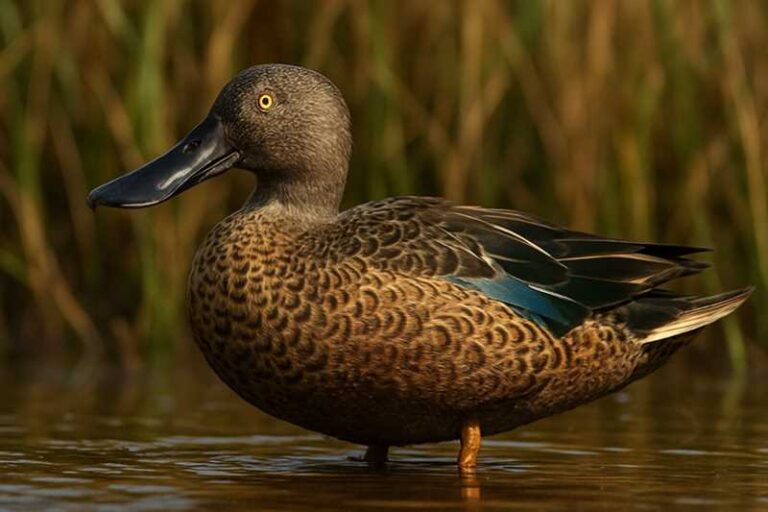
A Closer Look at the Variable Sunbird (Cinnyris venustus)
The Variable Sunbird, scientifically known as **Cinnyris venustus**, is a captivating avian species that has captured the attention of ornithologists and bird enthusiasts alike. Renowned for its vibrant plumage and dynamic behavior, this small passerine bird inhabits various regions across sub-Saharan Africa, contributing significantly to the region’s biodiversity. In this article, we delve into the characteristics, habitat, behavior, and ecological significance of the Variable Sunbird.
Physical Characteristics
The Variable Sunbird is a small bird, typically measuring around 10 cm in length and weighing between 5 to 10 grams. Despite its diminutive size, it boasts a striking appearance. The male sunbird is particularly notable for its iridescent plumage, which varies significantly with light and angle—hence the name ‘Variable’. Its back and head shimmer with metallic shades of green and blue, while the throat and chest often display a brilliant, vivid yellow. Females, though less flamboyant, possess a subtle beauty with their olive-green upperparts and yellowish underparts, providing effective camouflage in their natural habitat.
Habitat and Distribution
Variable Sunbirds are widespread across a diverse range of habitats in sub-Saharan Africa, including woodlands, savannas, gardens, and even urban areas. They are particularly abundant in regions that offer a rich supply of flowering plants, as their diet predominantly consists of nectar. This species demonstrates a remarkable adaptability, thriving in both natural and modified environments, which has contributed to its stable population numbers.
Feeding and Behavior
The Variable Sunbird’s diet is mainly nectar-based, although it occasionally consumes insects, particularly during the breeding season when protein is essential for chick development. Equipped with a slender, curved bill and a specialized tongue, these sunbirds are adept at extracting nectar from a variety of flowers. Their feeding technique involves hovering in front of a bloom or perching on nearby branches, showcasing their agile flight capabilities.
In addition to their feeding habits, Variable Sunbirds are known for their energetic and acrobatic behavior. Males often engage in elaborate display flights during the breeding season to attract mates, which involve rapid wing beats and intricate aerial maneuvers. These displays not only serve to court females but also to establish and defend territories from rival males.
Breeding and Nesting
Breeding seasons for the Variable Sunbird can vary depending on geographical location and environmental conditions. Typically, breeding coincides with the availability of ample food sources, particularly during flowering periods. The female is primarily responsible for constructing the nest, which is often a suspended, pear-shaped structure made from grass, leaves, and spider silk, providing a secure and concealed environment for the eggs and chicks.
Clutch sizes usually range from one to three eggs, with an incubation period of approximately 14 to 16 days. Following hatching, both parents are involved in feeding and caring for the chicks until they fledge, which usually occurs about 15 to 20 days after hatching.
Ecological Significance
Variable Sunbirds play a crucial role in their ecosystems, primarily through their role as pollinators. As they forage for nectar, they inadvertently transfer pollen from one flower to another, facilitating plant reproduction. This mutualistic relationship not only supports the growth of plant communities but also maintains the ecological balance within their habitats.
Moreover, by consuming insects, Variable Sunbirds help regulate insect populations, thus contributing to the control of potential pest species. Their presence in urban and rural gardens also highlights their adaptability and importance in diverse ecological settings.
Conservation Status
Currently, the Variable Sunbird is listed as a species of ‘Least Concern’ by the International Union for Conservation of Nature (IUCN). This status reflects their wide distribution and stable population trends. However, like many avian species, they face potential threats from habitat destruction, climate change, and human activities. Conservation efforts aimed at preserving natural habitats and promoting sustainable environmental practices are essential to ensuring the continued survival of this vibrant species.
Conclusion
The Variable Sunbird is a remarkable example of nature’s beauty and resilience. Its vibrant colors, dynamic behaviors, and ecological roles make it a subject of fascination for bird watchers and scientists. As we continue to study and appreciate this species, it is imperative to also focus on the conservation of their habitats to ensure that future generations can enjoy the presence of these dazzling birds.
By understanding and protecting the Variable Sunbird, we contribute to the broader goal of preserving biodiversity and maintaining the health of ecosystems across sub-Saharan Africa.
—
Meta Title: “Variable Sunbird: Nature’s Vibrant Pollinator”
Meta Description: “Explore the captivating world of the Variable Sunbird, a vibrant species integral to pollination and biodiversity in sub-Saharan Africa.”
Related posts