
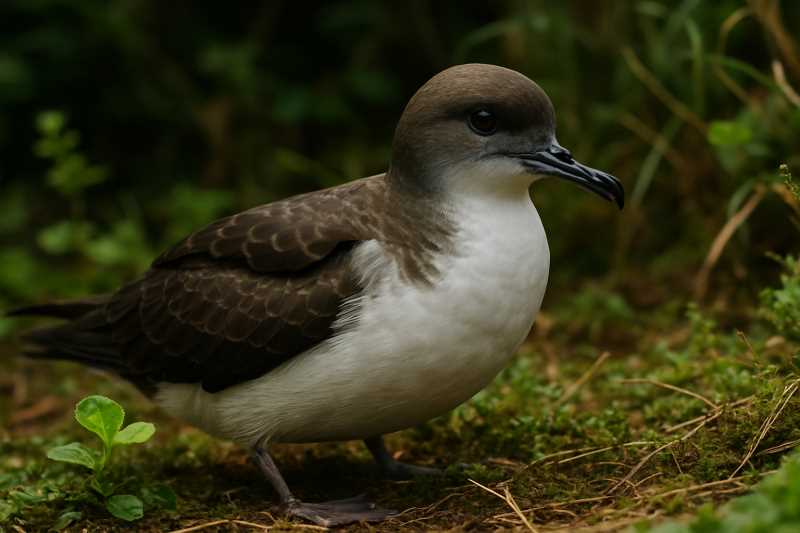
Rapa Shearwater (Puffinus myrtae): A Glimpse into the Life of a Rare Seabird
The Rapa Shearwater, scientifically known as *Puffinus myrtae*, is a remarkable seabird species that inhabits the remote Pacific islands. With its elusive nature and limited distribution, the Rapa Shearwater presents a unique opportunity for ornithologists and conservationists to study and protect a bird that offers a glimpse into the complex dynamics of island ecosystems.
Taxonomy and Identification
The Rapa Shearwater belongs to the family Procellariidae, which includes shearwaters and petrels. Characterized by their slender bodies and long wings, shearwaters are proficient fliers and are adapted to life at sea. The Rapa Shearwater, in particular, is a medium-sized bird with a wingspan of approximately 60-70 cm (24-28 inches). Its plumage is predominantly dark above, with a contrasting white underbelly, aiding in its identification against the backdrop of the ocean.
The species was first described scientifically in the 20th century, relatively late compared to many other seabirds. This late discovery is primarily due to its restricted range and the challenges associated with accessing its breeding grounds.
Habitat and Distribution
The Rapa Shearwater is endemic to the Austral Islands, specifically the island of Rapa Iti in French Polynesia. This limited distribution makes the species highly vulnerable to environmental changes and human activities. The island’s rugged terrain and isolated location provide the necessary conditions for the shearwater’s breeding colonies, which are typically found on steep slopes and cliffs.
These seabirds spend most of their lives at sea, only returning to land to breed. Their oceanic lifestyle involves long-distance foraging trips, often spanning hundreds of kilometers, demonstrating their remarkable navigational skills and endurance.
Behavior and Diet
Like other shearwaters, the Rapa Shearwater is known for its impressive flying capabilities. Using dynamic soaring, it exploits wind gradients over the ocean to minimize energy expenditure during flight. This technique enables the bird to cover vast distances in search of food.
The diet of the Rapa Shearwater primarily consists of small fish and squid, which it captures by surface seizing or shallow diving. These seabirds often forage in flocks, which may include other species, capitalizing on the abundance of prey in certain areas.
Breeding occurs once a year, with shearwaters forming monogamous pairs that return to the same nesting sites annually. The nests are typically burrows or crevices in rocky terrain, providing protection from predators and harsh weather. Both parents share the responsibilities of incubating the single egg and feeding the chick once it hatches.
Conservation Status and Threats
The Rapa Shearwater is classified as “Endangered” on the IUCN Red List of Threatened Species. Its restricted range and small population size make it particularly susceptible to threats such as habitat destruction, invasive species, and climate change.
Invasive species, such as rats and cats, pose significant risks to the shearwater’s breeding success. Rats, in particular, are notorious for preying on eggs and young chicks, leading to diminished reproductive outcomes. Conservation efforts on Rapa Iti have focused on eradicating these pests from key breeding sites to enhance survival rates.
Climate change also poses an uncertain future for the Rapa Shearwater. Rising sea levels and increased storm frequency could impact breeding habitats, while changes in ocean temperatures may alter prey availability.
Conservation Efforts and Research
Conservation organizations and local communities are actively involved in efforts to protect the Rapa Shearwater. Measures include habitat restoration, predator control, and community education programs aimed at raising awareness about the species’ plight.
Research plays a crucial role in guiding conservation strategies. Studies on the shearwater’s foraging behavior, migration patterns, and population dynamics provide valuable insights into its ecological needs and responses to environmental changes. Satellite tracking technology, for instance, has shed light on the bird’s movement patterns, informing the designation of marine protected areas.
The Future of the Rapa Shearwater
The conservation of the Rapa Shearwater is a testament to the challenges and triumphs of island conservation. Protecting such a vulnerable species requires a collaborative approach, integrating scientific research, community engagement, and policy initiatives.
As our understanding of the Rapa Shearwater deepens, so too does our responsibility to ensure its survival. The continued efforts of dedicated conservationists and researchers offer hope that future generations will have the chance to witness this extraordinary seabird thriving in its natural habitat.
In conclusion, the Rapa Shearwater, with its enigmatic presence and ecological significance, serves as a symbol of the delicate balance within island ecosystems. Its story underscores the importance of preserving biodiversity and the interconnectedness of life on our planet.
Related posts


