The Cambodian Flowerpecker: A Jewel of Southeast Asia’s Avifauna
The Cambodian Flowerpecker (Dicaeum cambodianum) is a small, vibrant bird that has captured the fascination of ornithologists and bird enthusiasts alike. This article delves into the unique aspects of this species, its habitat, behavior, and the conservation challenges it faces.
Taxonomy and Description
The Cambodian Flowerpecker belongs to the Dicaeidae family, which encompasses a variety of small passerine birds known for their colorful plumage and distinctive feeding habits. The species was first described scientifically in the early 20th century, and since then, it has been recognized as a unique representative of Southeast Asia’s rich biodiversity.
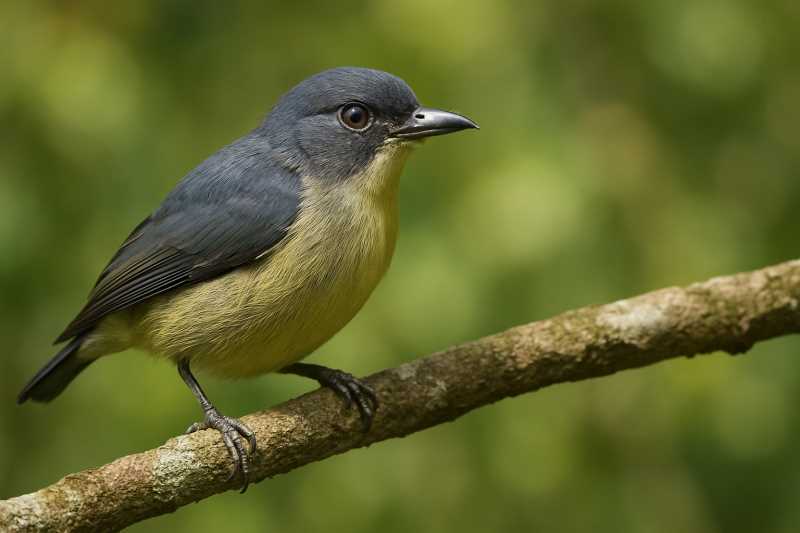
Measuring about 9 to 10 centimeters in length, the Cambodian Flowerpecker is a diminutive bird with a striking appearance. Its plumage is predominantly olive green, with a distinctive bright red patch on its crown and a contrasting white belly. The beak is short and stout, adapted for its specialized diet.
Habitat and Distribution
The Cambodian Flowerpecker is endemic to the lowland forests of Cambodia, with sightings also reported in neighboring regions. Its preferred habitat includes evergreen and semi-evergreen forests where it finds ample food resources and nesting sites. These birds are often found flitting about the forest canopy, making them a challenge to spot despite their vibrant colors.
Feeding Habits
The diet of the Cambodian Flowerpecker primarily consists of small fruits, nectar, and insects. Their stout beak is perfectly adapted to consume berries and probe flowers for nectar. This feeding behavior plays a crucial role in the ecosystem, as these birds are important pollinators and seed dispersers.
Their preference for certain fruiting plants makes them a key species in maintaining the health of their forest habitats. By dispersing seeds, they contribute to forest regeneration, which is vital for the overall biodiversity of the region.
Breeding and Behavior
The breeding season for the Cambodian Flowerpecker typically occurs during the rainy season, which provides abundant food resources for raising young. Males are known for their elaborate courtship displays, which include acrobatic flight patterns and vocalizations to attract mates.
Nesting occurs in well-concealed locations within the forest canopy. The nests are small, cup-shaped structures constructed with fine plant materials. The female lays a clutch of two to three eggs, and both parents are involved in feeding and caring for the chicks.
Conservation Status
The Cambodian Flowerpecker’s conservation status is currently classified as Near Threatened due to habitat loss and fragmentation. Deforestation for agriculture and urban development poses significant threats to their natural habitat. Additionally, illegal logging and land conversion continue to exacerbate the situation.
Conservation efforts are critical for the survival of this species. Initiatives aimed at preserving forest habitats and promoting sustainable land-use practices are essential. Raising awareness about the importance of biodiversity and the role of species like the Cambodian Flowerpecker can help garner support for conservation programs.
The Importance of Conservation
Protecting the Cambodian Flowerpecker and its habitat is not only crucial for the species itself but also for the entire ecosystem. As a pollinator and seed disperser, this bird plays an integral role in maintaining the health and diversity of the forest ecosystem.
Conservation strategies should focus on habitat protection, restoration of degraded areas, and the establishment of protected areas. Community engagement and education programs can also play a pivotal role in fostering a sense of stewardship among local populations.
Conclusion
The Cambodian Flowerpecker is a small yet significant component of Cambodia’s natural heritage. Its vibrant colors and ecological role make it a symbol of the region’s avian diversity. Protecting this species requires concerted efforts from governments, conservation organizations, and local communities. By taking action to preserve the habitats of the Cambodian Flowerpecker, we ensure the survival of not only this remarkable bird but also the myriad of other species that share its home.
In conclusion, the Cambodian Flowerpecker is a testament to the richness of Southeast Asia’s biodiversity. Its conservation is a responsibility that falls on all of us, highlighting the interconnectedness of ecosystems and the importance of preserving our natural world for future generations.
Related posts