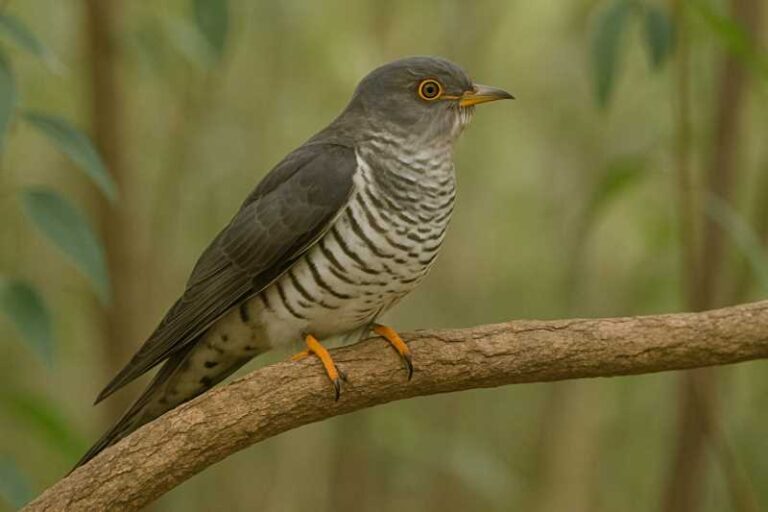
The Waved Albatross: A Beacon of Biodiversity and Conservation Challenges
The Waved Albatross (Phoebastria irrorata) stands as a majestic symbol of the natural world’s grandeur and the pressing need for biodiversity conservation. Endemic to the Galápagos Islands, this species of albatross is unique for its restricted range and its captivating life history. As the only tropical albatross species, the Waved Albatross is a focal point for ornithologists and conservationists alike, representing both the beauty and vulnerability of island ecosystems.
Physical Characteristics and Behavior
The Waved Albatross is distinguished by its striking features. With a wingspan reaching approximately 2.5 meters, it is perfectly adapted for long-distance flight. The bird’s plumage is predominantly a light brown, with distinctive waved patterns on its back for which it is named. Its head is often a contrasting pale yellow, while its sharp, hooked bill is bright yellow, designed for catching prey with precision.
These albatrosses are expert gliders, capable of soaring over the ocean for hours with minimal energy expenditure. This ability is crucial for their survival, as they spend considerable time at sea, often traveling thousands of kilometers to find food. Their diet primarily consists of squid, fish, and crustaceans, which they skillfully catch near the ocean surface.
Breeding and Life Cycle
The breeding behavior of the Waved Albatross is a spectacle of nature, characterized by elaborate courtship rituals that include synchronized dances, bill clacking, and graceful movements. These rituals strengthen pair bonds, which are typically monogamous and can last for many years.
Breeding occurs primarily on Española Island in the Galápagos, where approximately 99% of the global population nests. The choice of this island is strategic, as its rocky and arid landscape provides a safe haven for nesting away from many predators. The breeding season begins in April, with eggs laid by June. Each pair usually lays a single egg, which both parents incubate for about two months.
The chick, once hatched, is cared for by both parents until it is ready to fledge. This stage is critical, as the chick must grow rapidly to survive the demanding conditions of the open ocean. By December, most chicks are ready to leave the nest, embarking on their life at sea, where they will remain until they reach sexual maturity at around five years of age.
Conservation Status and Threats
The IUCN Red List classifies the Waved Albatross as Critically Endangered, a status that underscores the urgent need for conservation action. The species faces several threats, both natural and anthropogenic. One of the most significant challenges is bycatch in fisheries, where albatrosses are inadvertently caught on hooks or in nets meant for other species.
Climate change poses an additional threat, impacting ocean temperatures and currents, which can affect the availability of prey species. Invasive species, such as rats and cats introduced to the Galápagos, also pose risks, particularly to eggs and chicks.
Conservation efforts are multifaceted, involving habitat protection, sustainable fisheries management, and research initiatives aimed at understanding the albatross’s ecology and behavior. Organizations like the Galápagos Conservancy and BirdLife International are actively working to implement conservation strategies that mitigate these risks and promote the long-term survival of the species.
The Role of Ecotourism
Ecotourism plays a dual role in the conservation of the Waved Albatross. On one hand, it generates significant revenue that can be used for conservation projects. On the other, it can lead to disturbances if not managed sustainably. Ensuring that tourism activities are eco-friendly and have minimal impact on wildlife is crucial.
Tourist operators in the Galápagos are increasingly adopting sustainable practices, such as limiting visitor numbers and ensuring that tours are conducted with a focus on education and conservation. This approach not only enhances the visitor experience but also fosters a greater appreciation for the unique biodiversity of the islands.
Conclusion
The Waved Albatross is more than just a bird; it is a symbol of the delicate balance of life and the pressing need for conservation. Protecting this species requires a comprehensive approach that encompasses habitat preservation, sustainable resource management, and public education. As we deepen our understanding of the Waved Albatross, we are reminded of our responsibility to safeguard the natural world for future generations.
The survival of the Waved Albatross is intricately linked to the health of the marine ecosystems they inhabit. By protecting these environments, we not only ensure the survival of this remarkable bird but also contribute to the broader goal of preserving the planet’s biodiversity.
In the words of renowned naturalist Charles Darwin, who famously visited the Galápagos Islands, “It is not the strongest of the species that survive, nor the most intelligent, but the one most responsive to change.” In the face of environmental challenges, the resilience and adaptability of the Waved Albatross inspire us to act with urgency and purpose in conservation efforts.
Related posts