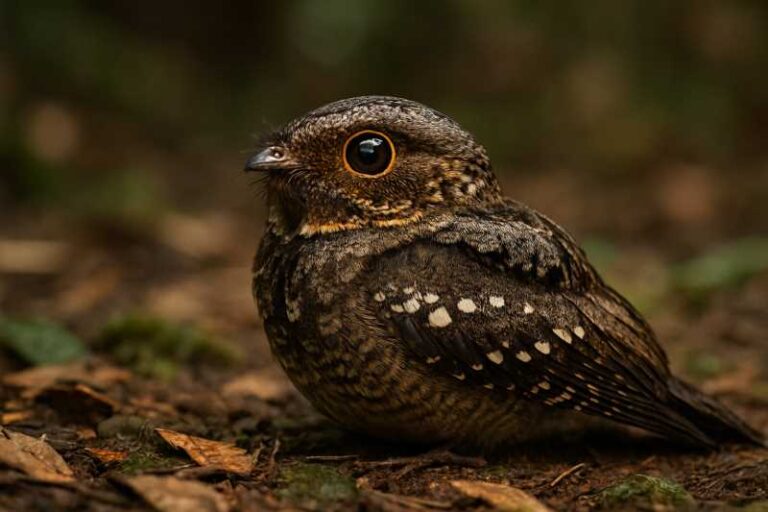
The Rufescent Screech Owl: A Detailed Insight into Megascops ingens
The Rufescent Screech Owl, scientifically known as Megascops ingens, is a captivating avian species that captures the interest of ornithologists and bird enthusiasts worldwide. This small owl, belonging to the family Strigidae, is renowned for its distinctive vocalizations and striking plumage. Native to the montane forests of the Andes, the Rufescent Screech Owl occupies a unique ecological niche that underscores its evolutionary adaptations and environmental significance.
Habitat and Distribution
The Rufescent Screech Owl primarily inhabits the humid montane forests of the Andes, spanning regions across Colombia, Ecuador, Peru, and Bolivia. These owls thrive at elevations ranging from 1,500 to 3,500 meters, often occupying dense forest canopies that provide ample coverage and protection. The choice of such habitats is crucial for their survival, as these areas offer abundant prey and nesting sites.
The Andes’ rich biodiversity and complex ecosystems present a myriad of challenges and opportunities for species like the Rufescent Screech Owl. The owl’s adaptation to high-altitude environments reflects its resilience and the evolutionary pressures that have shaped its behavioral and physiological traits.
Physical Characteristics
The Rufescent Screech Owl is a relatively small owl, measuring approximately 23 to 25 centimeters in length with a wingspan of about 55 centimeters. Its plumage is a remarkable blend of rufous and grayish-brown tones, providing excellent camouflage within its forested habitat. The owl’s facial disc is well-defined, with prominent ear tufts that add to its distinctive appearance.
One of the most striking features of this owl is its large, yellow eyes, adapted for night vision. These eyes, combined with a sharp, hooked beak, signify its predatory nature. The Rufescent Screech Owl’s talons are equally formidable, equipped for seizing and subduing prey.
Behavior and Diet
Primarily nocturnal, the Rufescent Screech Owl is an adept hunter, relying on its keen sense of hearing and sight to locate prey in the dense forest understory. Its diet consists mainly of small mammals, insects, and occasionally other birds. This diverse diet highlights the owl’s role as a crucial predator within its ecosystem, helping to regulate the populations of various forest inhabitants.
The vocalizations of the Rufescent Screech Owl are an essential aspect of its behavior, serving as a means of communication and territory establishment. Its calls are typically a series of short, sharp screeches that can be heard echoing through the forest at night. These vocalizations not only facilitate mating and social interactions but also help deter potential intruders from encroaching on the owl’s territory.
Breeding and Reproduction
The breeding season for the Rufescent Screech Owl aligns with the regional climatic conditions, often occurring during the dry season when food resources are more readily available. These owls are monogamous, forming long-term pair bonds that contribute to successful breeding and offspring rearing.
Nesting typically occurs in tree cavities, which provide protection from predators and harsh weather conditions. The female usually lays a clutch of two to three eggs, which she incubates while the male provides food. Once hatched, the owlets remain in the nest for several weeks, relying on their parents for sustenance and protection until they fledge.
Conservation and Challenges
Despite its resilience, the Rufescent Screech Owl faces various threats that could impact its population dynamics. Habitat loss due to deforestation and land conversion for agriculture poses a significant risk to its survival. Additionally, climate change and its associated impacts on weather patterns and prey availability further complicate the conservation efforts for this species.
Conservation strategies aimed at preserving the Rufescent Screech Owl must prioritize habitat protection and restoration. Establishing protected areas within its range and promoting sustainable land-use practices are crucial steps in safeguarding its future.
Conclusion
The Rufescent Screech Owl is a remarkable testament to the diversity and complexity of Andean ecosystems. Its unique adaptations and ecological role underscore the importance of preserving such species and their habitats. Through concerted conservation efforts and increased awareness, we can ensure that the Rufescent Screech Owl continues to thrive amidst the challenges it faces.
As we deepen our understanding of species like Megascops ingens, we gain valuable insights into the intricate web of life that sustains our planet, highlighting the interconnectedness of all living things.
Related posts