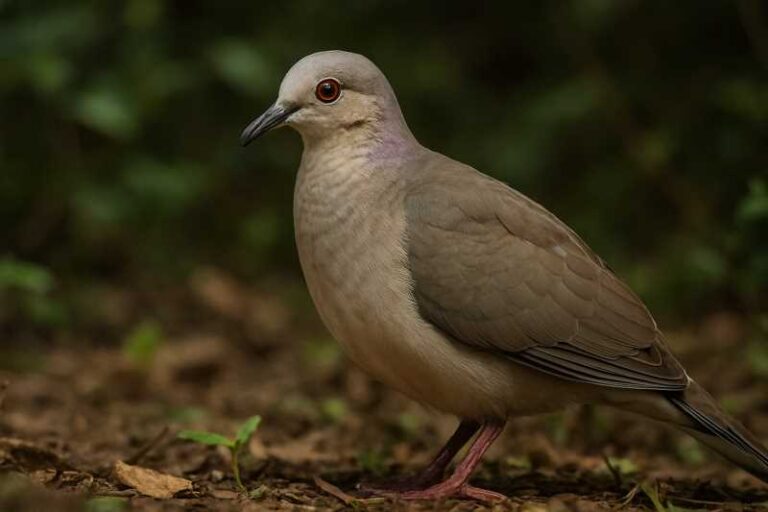
Taiga Bean Goose: An In-depth Exploration of Anser fabalis
The Taiga Bean Goose, scientifically known as Anser fabalis, is a remarkable species of waterfowl that captivates ornithologists and bird enthusiasts alike. This article delves into the various aspects of the Taiga Bean Goose, from its taxonomy and habitat to its behavior and conservation status.
Taxonomy and Classification
The Taiga Bean Goose belongs to the family Anatidae, which includes ducks, geese, and swans. It is one of the subspecies of the Bean Goose, differentiated from its close relative, the Tundra Bean Goose (Anser serrirostris), by its larger size and specific habitat preferences. The genus name ‘Anser’ is Latin for ‘goose,’ while ‘fabalis’ is derived from ‘faba,’ meaning ‘bean,’ a reference to the bird’s diet.
Physical Characteristics
The Taiga Bean Goose is a medium to large-sized bird, with a distinctive orange-yellow bill with a black tip, which is a key feature distinguishing it from other geese. It has a robust body, long neck, and sturdy legs. The plumage is predominantly brown-grey, providing excellent camouflage in its natural habitat. Males and females are similar in appearance, though males are slightly larger.
Habitat and Distribution
As its name suggests, the Taiga Bean Goose predominantly inhabits the taiga, a biome characterized by coniferous forests across northern Eurasia. During the breeding season, from May to August, these geese are found in the remote forested wetlands of Scandinavia and Russia. In contrast, during winter, they migrate to milder regions of Europe and East Asia, including parts of Germany, the Netherlands, and China.
Diet and Feeding Habits
The Taiga Bean Goose is primarily herbivorous, feeding on a variety of plant materials. During the breeding season, they consume a diet rich in grasses, sedges, and aquatic plants. In winter, they shift to agricultural fields, where they feed on grains, beans, and other crops. Their feeding habits often bring them into conflict with farmers, though they play a crucial role in controlling plant populations and contributing to the ecosystem’s health.
Breeding and Reproduction
The breeding season for the Taiga Bean Goose begins in late spring, when the ice thaws and the wetlands become accessible. Pairs form monogamous bonds that last for life. The female typically lays 4-6 eggs in a nest made of moss and down feathers, which she incubates for about 25-28 days. The male guards the nest, protecting it from predators such as foxes and birds of prey. Once hatched, the goslings are precocial, able to walk and swim shortly after birth.
Behavior and Social Structure
Taiga Bean Geese are highly social birds, often forming large flocks outside the breeding season. These flocks facilitate navigation and protection against predators during migration. They communicate through a series of honks and calls, which help maintain group cohesion and alert others to potential threats.
Conservation Status and Threats
The Taiga Bean Goose is currently listed as a species of Least Concern by the International Union for Conservation of Nature (IUCN). However, their populations are subject to several threats, including habitat loss due to forestry, agricultural expansion, and climate change. Additionally, hunting pressures in parts of their range pose a significant challenge to their conservation.
Efforts to protect the Taiga Bean Goose include habitat preservation and management, international cooperation to regulate hunting, and monitoring population trends. Conservation organizations are also working with local communities to mitigate human-wildlife conflicts and promote sustainable land-use practices.
Conclusion
The Taiga Bean Goose is a fascinating species that plays a critical role in its ecosystem. Understanding its biology and ecological needs is essential for ensuring its continued survival amidst increasing environmental pressures. By fostering awareness and implementing effective conservation strategies, we can help safeguard the future of this remarkable bird.
As we continue to learn more about the Taiga Bean Goose, it serves as a reminder of the interconnectedness of our world and the importance of preserving biodiversity for future generations.
Related posts