Apo Myna (Goodfellowia miranda): A Jewel of the Avian World
The Apo Myna, scientifically known as Goodfellowia miranda, is a captivating bird species endemic to the Philippines. This avian treasure is found primarily in the highland regions of Mindanao, particularly around Mount Apo, from which its common name is derived. The Apo Myna is a member of the family Sturnidae, which includes the well-known starlings and mynas. Although not as famous as its relatives, the Apo Myna holds an important place in the biodiversity of the Philippines and offers intriguing insights into avian evolution and ecology.
Physical Characteristics
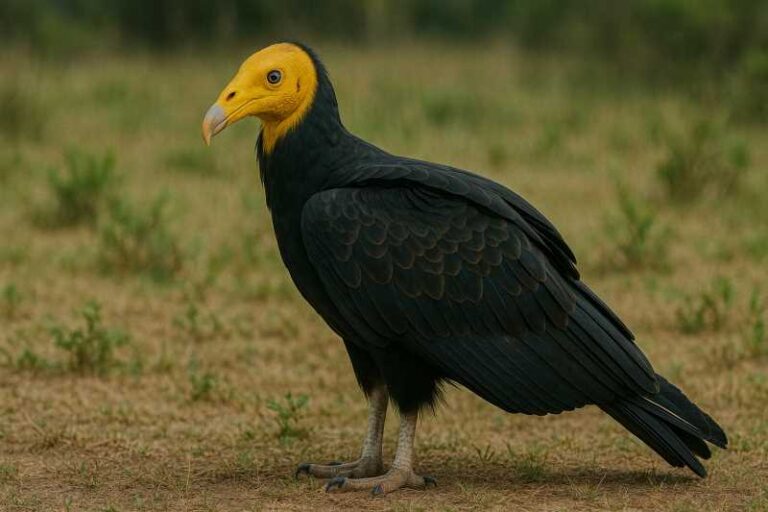
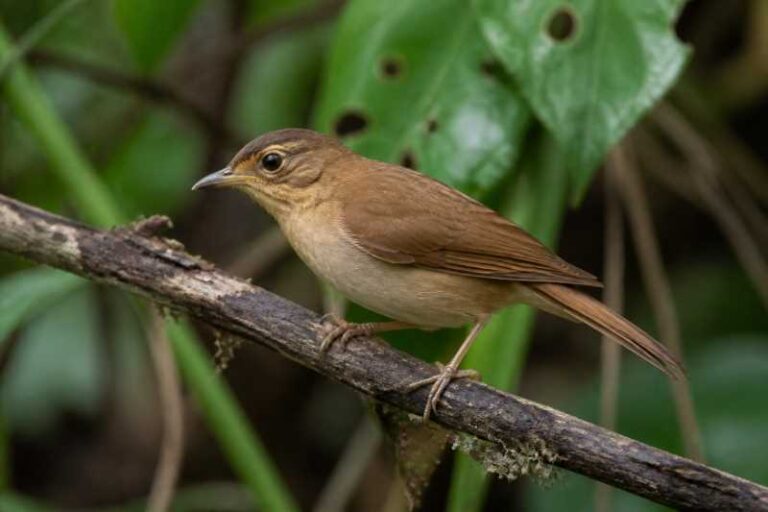
The Apo Myna is a medium-sized bird, measuring approximately 28 to 30 centimeters in length. Its plumage is predominantly dark, presenting a sleek, glossy black appearance that shimmers with a metallic sheen in sunlight. This iridescence is a result of microscopic structures on the feathers that refract light. The bird’s eyes are a striking yellow, providing a vivid contrast against its dark feathers. The Apo Myna also features a robust, slightly curved bill and strong legs adapted to its arboreal lifestyle.
While the overall appearance of the Apo Myna may seem understated compared to more colorful tropical birds, its elegant form and glossy feathers make it a standout among its peers. The bird’s vocalizations are equally distinctive, comprising a range of whistles, clicks, and chatters that contribute to the vibrant soundscape of its forest habitat.
Habitat and Distribution
The Apo Myna is a montane species, adapted to life in high-altitude environments. It inhabits the mossy forests and montane rainforests that cloak the slopes of Mount Apo and surrounding areas. These ecosystems, characterized by cool temperatures and high humidity, provide a wealth of resources and niches for the Apo Myna and other endemic species.
The restricted range of the Apo Myna is both a testament to its specialized ecological niche and a cause for concern. As a species confined to a specific geographic area, it is particularly vulnerable to habitat loss and environmental changes. Conservation efforts are crucial to ensure the survival of this unique bird and the preservation of its montane forest habitat.
Behavior and Ecology
Apo Mynas are social birds, often observed in small flocks as they forage for food. Their diet is primarily frugivorous, consisting of a variety of fruits, berries, and seeds found in their forest habitat. This diet not only sustains the birds but also plays a critical role in the ecosystem. As they consume fruit and move through the forest, Apo Mynas act as seed dispersers, facilitating the propagation of numerous plant species and contributing to the health and diversity of their environment.
The social structure of Apo Mynas is also notable. These birds engage in cooperative breeding, a behavior where multiple individuals contribute to the raising of young. This cooperative approach enhances the survival rates of offspring and strengthens social bonds within the flock. Such behaviors highlight the complex social dynamics present in avian species and underscore the importance of behavioral studies in understanding ecological interactions.
Conservation Status
The Apo Myna is currently classified as Near Threatened by the International Union for Conservation of Nature (IUCN). The primary threats facing this species include habitat destruction due to logging, agriculture, and infrastructure development. Additionally, climate change poses a long-term threat by altering the delicate balance of montane ecosystems.
Conservation initiatives are underway to protect the Apo Myna and its habitat. These efforts include the establishment of protected areas, reforestation projects, and community engagement programs aimed at promoting sustainable land use practices. By fostering a greater understanding and appreciation of the Apo Myna and its ecological role, conservationists hope to secure a future for this remarkable bird and the biodiversity of Mount Apo.
The Significance of the Apo Myna
The Apo Myna is more than just an avian curiosity; it is a symbol of the rich biodiversity found in the Philippines and the interconnectedness of life within montane ecosystems. Its presence highlights the importance of conserving these unique habitats and serves as a reminder of the delicate balance that sustains them.
In studying the Apo Myna, researchers gain valuable insights into the processes of speciation, adaptation, and ecological interaction. The bird’s role as a seed disperser, its cooperative breeding behavior, and its adaptation to a specific ecological niche provide key opportunities for understanding broader ecological principles.
Ultimately, the Apo Myna stands as a testament to the wonders of natural evolution and the ongoing need to protect the world’s biodiversity. In celebrating and conserving such species, we affirm our commitment to preserving the natural heritage of our planet for future generations.
As we continue to explore and understand the complexities of the natural world, the Apo Myna will undoubtedly remain a subject of fascination and a beacon for conservation efforts worldwide.
Related posts