The Lesser Whitethroat: A Comprehensive Insight into a Songbird of Subtle Charm
The Lesser Whitethroat, a small and elusive songbird, is a member of the Old World warbler family, Sylviidae. Known for its understated beauty and melodious song, this bird has intrigued ornithologists and birdwatchers alike. Its scientific name, *Sylvia curruca*, reflects its classification within the genus Sylvia, which encompasses several other similar warblers. Despite its name, the Lesser Whitethroat is not a diminutive version of the Whitethroat (*Sylvia communis*), but rather a distinct species with unique characteristics.
Physical Characteristics
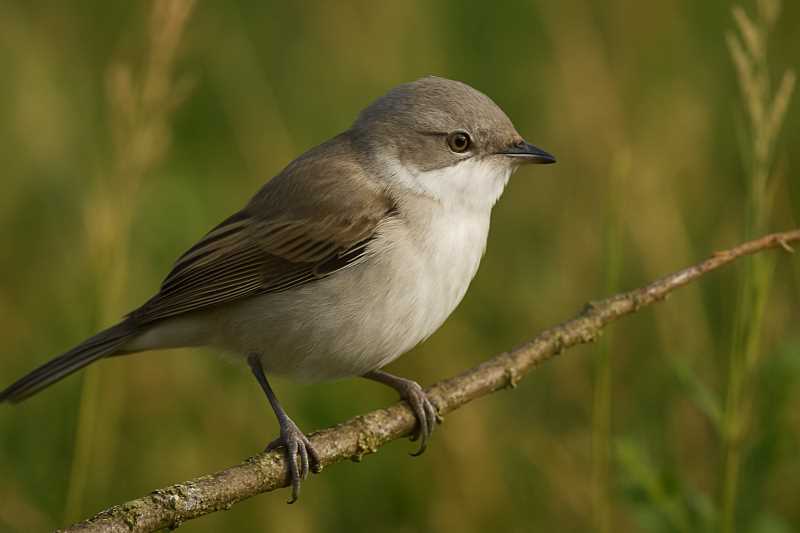
The Lesser Whitethroat is a small bird, measuring about 13 centimeters in length, with a wingspan ranging from 18 to 20 centimeters. Its plumage is subtle yet elegant, featuring a grayish-brown back, white throat, and a slightly darker ear coverts that give it a distinctive appearance. The underparts are generally white, with some variations depending on the subspecies. The beak is slender and well-suited for its insectivorous diet, while its legs are typically a pale brown.
One of the most distinguishing features of the Lesser Whitethroat is its song. The male’s song is a fast, rattling trill, often delivered from a concealed perch within dense foliage. This song is an essential tool for attracting mates and establishing territory during the breeding season.
Habitat and Distribution
The Lesser Whitethroat breeds across a wide range in Europe and Asia, extending from the United Kingdom in the west to Russia and Central Asia in the east. It favors habitats with dense shrubbery and hedgerows, often found in gardens, woodlands, and even urban parks. During the winter months, this migratory bird travels to warmer climates in Africa, the Middle East, and the Indian subcontinent.
Migration is a critical aspect of the Lesser Whitethroat’s life cycle. The journey from breeding to wintering grounds involves navigating vast distances, often covering thousands of kilometers. This migration is facilitated by the bird’s ability to store energy in the form of fat reserves, allowing it to sustain long flights over inhospitable terrains.
Diet and Feeding Behavior
The Lesser Whitethroat primarily feeds on insects and other invertebrates, making it an important player in controlling pest populations. During the breeding season, its diet consists mainly of caterpillars, beetles, and spiders, which provide the necessary protein for raising chicks.
In addition to insects, the Lesser Whitethroat is known to consume berries and small fruits, particularly in the autumn when such food sources are abundant. This opportunistic feeding behavior allows the bird to adapt to varying food availability throughout the year.
Breeding and Reproduction
The breeding season for the Lesser Whitethroat typically begins in late April and extends through July. During this time, males establish territories and engage in courtship displays to attract females. The nest is usually built within dense foliage, providing concealment from predators.
A typical clutch consists of 4 to 6 eggs, which are incubated by the female for about 11 to 14 days. Both parents participate in feeding the chicks, which fledge approximately 10 to 14 days after hatching. This cooperative breeding strategy increases the chances of offspring survival in the face of environmental challenges.
Conservation Status
The Lesser Whitethroat is currently classified as Least Concern by the International Union for Conservation of Nature (IUCN). However, like many migratory birds, it faces threats from habitat loss, climate change, and human activities such as agriculture and urban development. Conservation efforts aimed at preserving habitats and ensuring safe migratory routes are essential for maintaining stable populations of this species.
Conclusion
The Lesser Whitethroat, with its subtle appearance and captivating song, continues to be a subject of fascination for bird enthusiasts. Its adaptability to diverse habitats and impressive migratory feats underscore the resilience of this small songbird. Understanding the ecological role and conservation needs of the Lesser Whitethroat is crucial for ensuring its continued presence in ecosystems across its range. As we strive to protect our natural world, the Lesser Whitethroat serves as a reminder of the delicate balance that exists within avian populations and the broader environment.
In summary, the Lesser Whitethroat is more than just a songbird; it is a testament to the wonders of avian life and the intricate patterns of migration and adaptation that sustain it. Whether observed in a backyard garden or a remote woodland, this bird exemplifies the understated beauty and ecological importance of the world’s avian diversity.
Related posts