Introduction
The Amazonian Scrub Flycatcher (Sublegatus obscurior) is a small yet captivating bird species that belongs to the Tyrannidae family. This elusive avian can be found in the lush, dense forests of the Amazon Basin. Despite its understated appearance, the Amazonian Scrub Flycatcher plays a significant role in the ecosystem through its dietary habits and behaviors. This article delves into the fascinating world of Sublegatus obscurior, exploring its habitat, behavior, and the conservation challenges it faces.
Habitat and Distribution
The Amazonian Scrub Flycatcher inhabits the vast and diverse Amazon rainforest, one of the most biodiverse regions on the planet. It is primarily found in the lowland areas of the Amazon Basin, which spans several countries including Brazil, Peru, Colombia, Venezuela, and Ecuador. This bird favors the undergrowth and edges of forests, where it can easily find its prey and avoid predators. Its preference for dense, scrubby habitats often makes it difficult to spot, allowing it to maintain a relatively low profile despite its widespread presence in the region.
Physical Characteristics
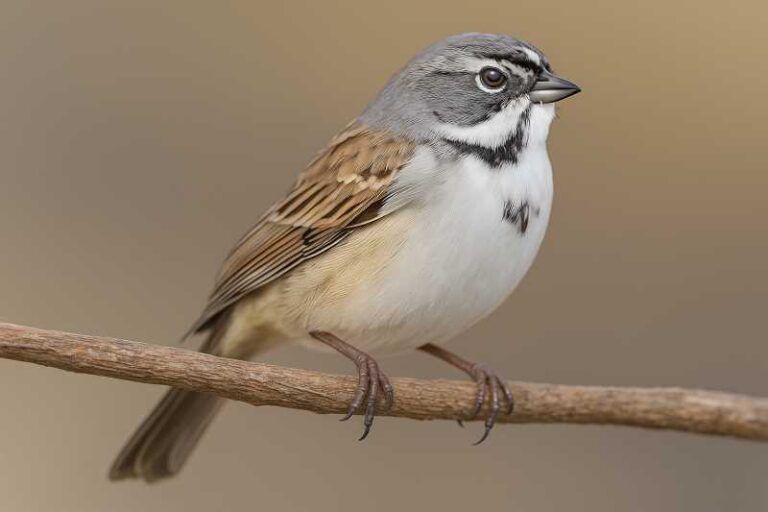
The Amazonian Scrub Flycatcher is a small bird, measuring around 12 to 13 centimeters in length and weighing between 9 to 11 grams. Its plumage is predominantly olive-brown with subtle variations in tone across its body. The underparts are generally paler, while the wings and tail exhibit darker shades. One of the distinguishing features of this species is its relatively short bill, adapted for catching insects. Its eyes are large and dark, providing excellent vision for spotting prey in the dimly lit undergrowth.
Behavior and Diet
The feeding behavior of the Amazonian Scrub Flycatcher is both fascinating and crucial for the ecological balance of its habitat. As an insectivore, it primarily feeds on a variety of insects, including beetles, flies, and caterpillars. This dietary preference helps control insect populations, which is essential for maintaining the health of the forest ecosystem.
Typically, the Amazonian Scrub Flycatcher employs a “sit-and-wait” hunting strategy. It perches quietly on a branch or vine, scanning its surroundings for movement. Once it spots prey, it swiftly darts out to snatch the insect mid-air or from foliage. This method of hunting not only conserves energy but also minimizes the bird’s exposure to potential predators.
Vocalizations
The vocalizations of the Amazonian Scrub Flycatcher are subtle yet distinct, characterized by a series of soft, repeated whistles. These calls are often used to communicate with other members of their species, particularly during the breeding season. While not as vocal as some other bird species in the Amazon, their calls are vital for establishing territories and attracting mates.
Breeding and Reproduction
The breeding season for the Amazonian Scrub Flycatcher typically coincides with the onset of the rainy season, which varies slightly across its range. During this time, males engage in vocal displays to attract females and establish territory. Once a pair forms, they work together to build a small, cup-shaped nest, usually hidden in dense foliage or among vines.
The female typically lays two to three eggs, which she incubates for about two weeks. Once the chicks hatch, both parents share the responsibility of feeding and caring for the young until they fledge. The rapid growth of the chicks is essential for their survival, as the dense forest environment presents numerous threats from predators.
Conservation Status and Challenges
Currently, the Amazonian Scrub Flycatcher is classified as Least Concern by the International Union for Conservation of Nature (IUCN). However, like many species in the Amazon, it faces numerous threats due to human activities. Deforestation, driven by logging, agriculture, and infrastructure development, poses the most significant threat to its habitat. The degradation of forested areas not only reduces available territory but also fragments populations, making it more challenging for individuals to find mates and maintain genetic diversity.
Climate change also presents a long-term threat to the Amazonian Scrub Flycatcher. Alterations in weather patterns can affect the availability of food and suitable nesting sites, impacting their reproductive success and survival rates.
Conclusion
The Amazonian Scrub Flycatcher is a remarkable species that plays a vital role in the ecological balance of the Amazon rainforest. Despite its modest appearance, it contributes significantly to insect population control, supporting the health of its habitat. However, the ongoing threats of deforestation and climate change underscore the need for continued conservation efforts to protect this species and the incredible biodiversity of the Amazon as a whole.
References
1. BirdLife International. (2023). Species factsheet: Sublegatus obscurior. Retrieved from [BirdLife International](https://www.birdlife.org)
2. Schulenberg, T. S., Stotz, D. F., & Lane, D. F. (2020). Birds of Peru: Revised and Updated Edition. Princeton University Press.
3. Ridgely, R. S., & Greenfield, P. J. (2001). The Birds of Ecuador. Cornell University Press.
Related posts