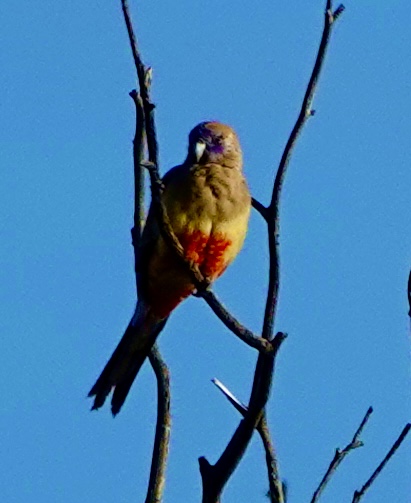
The Red-throated Piping Guan: A Jewel of the South American Rainforests
The Red-throated Piping Guan (Pipile cujubi) is a captivating bird species that inhabits the lush rainforests of South America. Known for its striking appearance and distinctive call, this bird is a vital part of its ecosystem and a species of interest for ornithologists and conservationists alike.
Taxonomy and Distribution
The Red-throated Piping Guan belongs to the family Cracidae, which includes guans, chachalacas, and curassows. These birds are native to the Neotropics, with the Red-throated Piping Guan specifically found in the northern regions of South America. Its range extends across several countries, including Brazil, Bolivia, and Peru, where it prefers subtropical or tropical moist lowland forests and swamps.
Physical Characteristics
The Red-throated Piping Guan is a medium-sized bird, measuring approximately 70 to 80 centimeters in length. It is easily recognizable by its vibrant red throat patch, which contrasts beautifully with its predominantly dark plumage. The rest of its body is covered in glossy black feathers, with hints of green and blue iridescence. The bird’s wings and tail are marked with white, offering a stark contrast to its darker body.
One of the most striking features of this guan is its cerulean blue facial skin, which encircles its eyes and extends to its beak. This distinctive facial coloring, coupled with its red throat, makes the Red-throated Piping Guan a visually stunning species. Additionally, it has a long, slender neck and legs, which aid in its arboreal lifestyle.
Behavior and Ecology
The Red-throated Piping Guan is known for its social behavior, often seen in pairs or small groups. It is a diurnal bird, most active during the early morning and late afternoon when it forages for food. Its diet primarily consists of fruits, seeds, and small invertebrates, which it finds while navigating the forest canopy.
These birds play a crucial role in their ecosystem as seed dispersers. By consuming fruits and excreting the seeds in different locations, they contribute to the maintenance and regeneration of their forest habitats. This ecological role underscores the importance of their conservation, as their presence directly impacts forest biodiversity.
Vocalizations and Communication
The Red-throated Piping Guan is not only known for its appearance but also for its distinctive vocalizations. Its name, “piping guan,” derives from the clear, whistling calls that it uses to communicate. These calls are often heard at dawn and dusk, echoing through the forest and serving as a territorial signal to other guans.
Additionally, these vocalizations play a significant role during the breeding season. Males use their calls to attract females and establish dominance, and these sounds are an integral part of their courtship rituals.
Conservation Status and Threats
Currently, the Red-throated Piping Guan is classified as Least Concern by the International Union for Conservation of Nature (IUCN). However, like many rainforest species, it faces threats from habitat destruction and fragmentation due to logging, agriculture, and human encroachment.
Conservation efforts are essential to ensure the survival of this species and the preservation of its habitat. Protecting large areas of contiguous forest is critical, as is promoting sustainable land-use practices that minimize impact on these ecosystems.
Conclusion
The Red-throated Piping Guan is a remarkable bird that embodies the rich biodiversity of South America’s rainforests. Its vibrant appearance and ecological significance make it a species worthy of attention from both scientific and conservation communities. By understanding and protecting this bird, we contribute to the broader effort of conserving the delicate ecosystems that they, and countless other species, call home.
As pressures on natural habitats continue to mount, it is imperative that we support and implement conservation measures that safeguard the future of the Red-throated Piping Guan and its fellow rainforest inhabitants. Only through concerted effort can we ensure that these magnificent birds continue to thrive for generations to come.
Related posts