The Enigmatic Black-billed Cuckoo: A Comprehensive Overview
The Black-billed Cuckoo (Coccyzus erythropthalmus) is a fascinating and elusive bird species native to North America. Known for its secretive nature and distinctive call, this bird has intrigued ornithologists and birdwatchers alike. This article delves into the various aspects of the Black-billed Cuckoo, including its habitat, behavior, conservation status, and significance in the ecosystem.
Habitat and Distribution
The Black-billed Cuckoo primarily inhabits deciduous and mixed woodlands, favoring areas with dense underbrush and abundant foliage. During the breeding season, which extends from May to July, these birds can be found across eastern North America, from southern Canada through the northeastern and midwestern United States. In winter, they migrate to Central and South America, showcasing an impressive migratory pattern that spans thousands of miles.
Their preferred habitats are often characterized by a rich diversity of insect life, especially caterpillars, which form a significant part of their diet. This preference for wooded environments with ample food supply is crucial for their breeding success and chick rearing.
Physical Characteristics
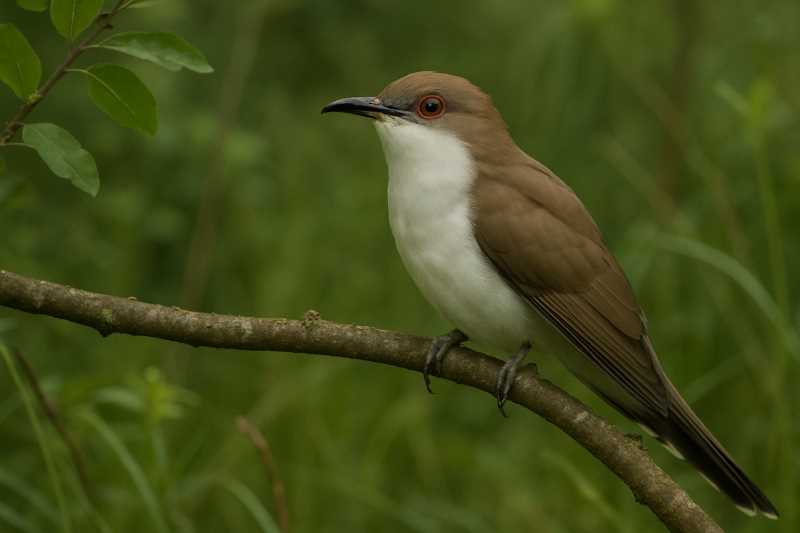
The Black-billed Cuckoo is a medium-sized bird, measuring approximately 28 to 32 centimeters in length with a wingspan of about 43 to 46 centimeters. It is easily identifiable by its slender body, long tail, and distinctive black bill. The plumage is predominantly brown on the back with a lighter, creamy underbelly. Notably, it possesses a red ring around its eye, which adds to its unique appearance.
Despite their striking features, Black-billed Cuckoos are often difficult to spot due to their reclusive nature and ability to blend seamlessly into their wooded surroundings. Their soft cooing calls, however, often betray their presence, making auditory cues an essential tool for birdwatchers seeking to observe them.
Behavior and Diet
Black-billed Cuckoos are solitary birds, often seen alone or in pairs, especially during the breeding season. They are known for their secretive and elusive behavior, spending much of their time hidden in dense foliage. This makes studying them a challenge for ornithologists.
Their diet primarily consists of insects, with a strong preference for caterpillars, including the hairy and spiny varieties that other birds tend to avoid. This dietary preference plays a crucial role in controlling pest populations in their habitats. Additionally, they consume other small invertebrates and occasionally fruits.
During the breeding season, the Black-billed Cuckoo exhibits a unique nesting behavior. Unlike many cuckoo species known for brood parasitism, where they lay eggs in the nests of other birds, the Black-billed Cuckoo generally builds its own nest. The female typically lays two to five eggs, which both parents help incubate. After hatching, the chicks are fed and cared for by both parents until they are ready to fledge.
Conservation Status
The Black-billed Cuckoo is currently listed as a species of least concern by the International Union for Conservation of Nature (IUCN). However, like many bird species, it faces threats from habitat loss due to deforestation and urbanization. Climate change could also impact their migratory patterns and food availability, posing additional challenges for their conservation.
Efforts to conserve the Black-billed Cuckoo include protecting and restoring their natural habitats, particularly in breeding and migratory territories. Bird conservation organizations also emphasize the importance of monitoring population trends to ensure that any declines can be detected and addressed promptly.
Significance in the Ecosystem
The role of the Black-billed Cuckoo in its ecosystem is multifaceted. As insectivores, they help control insect populations, including those of pest species that can cause significant damage to forests and agricultural areas. This ecological service underscores the importance of preserving their habitats and ensuring their continued presence in North American woodlands.
Moreover, the Black-billed Cuckoo serves as an indicator species, with its presence and population trends providing insights into the health of the woodland ecosystems it inhabits. Protecting this species, therefore, aligns with broader conservation goals aimed at maintaining biodiversity and ecosystem health.
Conclusion
The Black-billed Cuckoo, with its enigmatic nature and ecological significance, deserves recognition and protection. By understanding its habits, habitat requirements, and the challenges it faces, we can implement effective conservation strategies to ensure its survival. As we continue to explore and appreciate the avian diversity of our planet, the Black-billed Cuckoo stands as a testament to the intricate tapestry of life within our forests.
For birdwatchers, researchers, and conservationists, the Black-billed Cuckoo remains a symbol of the beauty and complexity of nature, reminding us of the delicate balance we must strive to maintain in preserving our natural world.
Related posts