########################################################################################################################################################## The Campbell Albatross: A Majestic Seafarer of the Southern Ocean
The Campbell Albatross (Thalassarche impavida) is a remarkable seabird that graces the skies of the Southern Ocean with its majestic presence. Known for its striking appearance and impressive wingspan, this bird is a member of the Diomedeidae family, which includes some of the world’s most iconic avian species. The Campbell Albatross is endemic to New Zealand’s Campbell Island, a remote and subantarctic island that provides a crucial breeding ground for this vulnerable species. Understanding the biology, behavior, and conservation challenges faced by the Campbell Albatross is essential for ensuring its continued survival in the wild.
Physical Characteristics
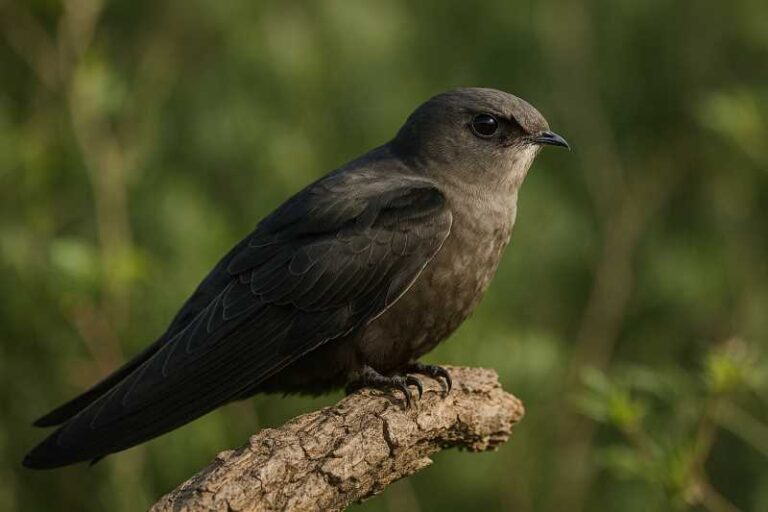
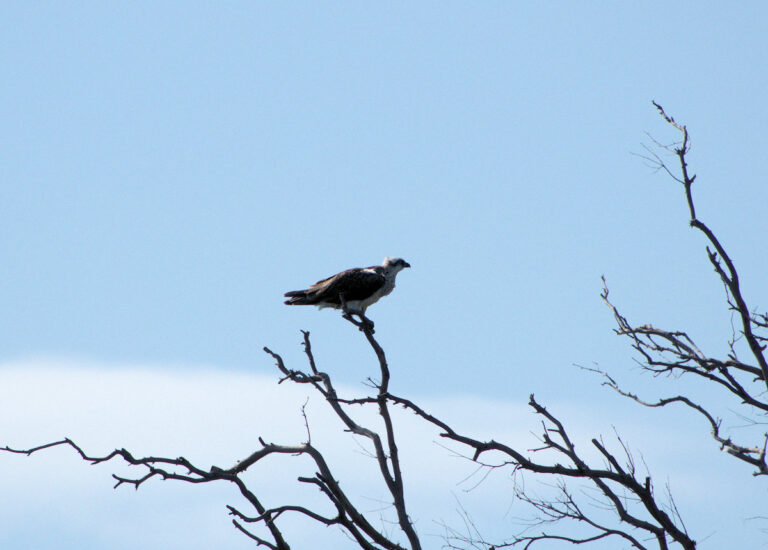
The Campbell Albatross is a medium-sized albatross, boasting a wingspan of approximately 2.2 to 2.5 meters (7.2 to 8.2 feet). It has a characteristic black and white plumage, with a white head that contrasts sharply against the darker feathers of its body and wings. Distinguishing this species from its close relatives, such as the Black-browed Albatross, are the subtle nuances in its plumage and the presence of a distinctive yellow stripe on the upper mandible of its bill. The bird’s streamlined body and long, slender wings enable it to glide effortlessly over vast ocean expanses, a testament to its adaptation to the pelagic lifestyle.
Habitat and Distribution
Campbell Island, located approximately 700 kilometers south of New Zealand’s South Island, is the primary breeding ground for the Campbell Albatross. The island’s rugged terrain, with its steep cliffs and tussock grasslands, provides an ideal habitat for nesting. Outside of the breeding season, these albatrosses are highly pelagic, spending most of their lives at sea. They forage across the Southern Ocean, often traveling great distances in search of food. Their range extends from the waters off New Zealand to as far south as the Antarctic Convergence, where cold and warm waters meet, creating rich feeding grounds teeming with marine life.
Feeding Ecology
The Campbell Albatross is a proficient forager, feeding primarily on squid, fish, and crustaceans. They are known to employ a variety of foraging strategies, including surface seizing and plunge diving, to capture their prey. These birds are also opportunistic feeders, sometimes scavenging on offal and discards from fishing vessels. Their excellent sense of smell allows them to locate food over vast oceanic distances, a crucial adaptation for survival in the open sea where prey can be patchily distributed.
Breeding and Life Cycle
Breeding occurs exclusively on Campbell Island, where the birds form large colonies on the island’s grassy slopes. The breeding season begins in September, with courtship displays that involve mutual preening and bill clapping. Campbell Albatrosses are monogamous and form long-term pair bonds, often returning to the same mate and nesting site each year. The female lays a single egg, which both parents take turns incubating for about 70 days. Once the chick hatches, it is cared for by both parents, who alternate between foraging at sea and tending to the chick. Fledging occurs after approximately four months, but the young albatross remains dependent on its parents for food for several weeks after leaving the nest.
Conservation Status and Threats
The Campbell Albatross is currently classified as vulnerable by the International Union for Conservation of Nature (IUCN). Although the population is relatively stable, the species faces several significant threats. One of the primary threats is bycatch in commercial fishing operations, where birds are accidentally caught on longlines or in trawl nets. Invasive species, such as rats and cats, also pose a risk by preying on eggs and chicks on Campbell Island. Climate change is another growing concern, as alterations in sea temperature and currents can affect the availability of prey and disrupt breeding patterns.
Efforts are underway to mitigate these threats and protect the Campbell Albatross. Conservation initiatives include the implementation of bird-friendly fishing practices, such as weighted lines and bird-scaring devices, to reduce bycatch. Eradication programs have successfully removed invasive species from Campbell Island, creating a safer breeding environment for the albatrosses. Additionally, ongoing monitoring and research are crucial for understanding the impacts of climate change and informing future conservation strategies.
Conclusion
The Campbell Albatross is a testament to the beauty and resilience of nature. Its ability to thrive in the challenging conditions of the Southern Ocean is a marvel of evolutionary adaptation. However, the challenges it faces underscore the importance of continued conservation efforts to ensure that this magnificent bird remains a part of our planet’s biodiversity. By protecting the Campbell Albatross, we not only preserve a remarkable species but also contribute to the health and balance of marine ecosystems that are vital for the well-being of our planet.
References
– BirdLife International. (2023). Thalassarche impavida. The IUCN Red List of Threatened Species.
– New Zealand Department of Conservation. (2023). Campbell Albatross/Toroa.
– Agreement on the Conservation of Albatrosses and Petrels. (2023). Campbell Albatross (Thalassarche impavida).
Related posts