Understanding the Western Marsh Harrier: A Majestic Raptor of the Wetlands
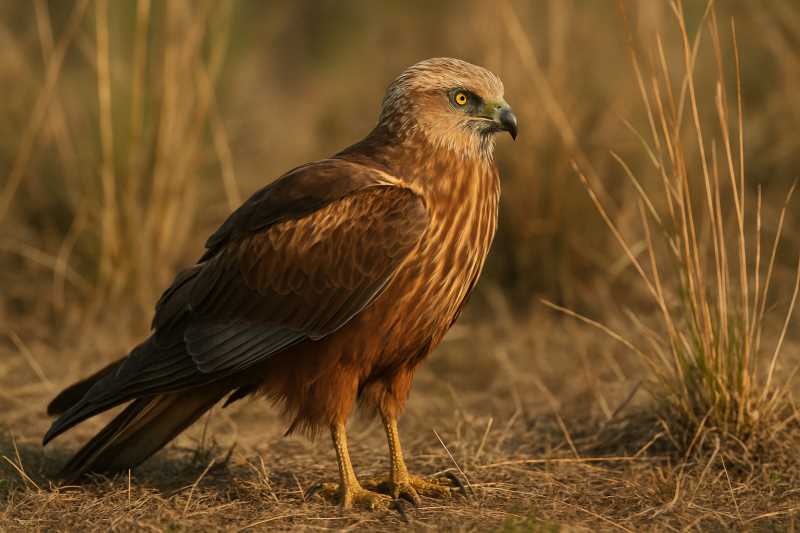
The Western Marsh Harrier (*Circus aeruginosus*) is a captivating bird of prey that graces the wetlands of Europe, Asia, and parts of Africa with its presence. Known for its distinctive flying patterns and striking appearance, this raptor plays a crucial role in maintaining the ecological balance of its habitat. This article delves into the various aspects of the Western Marsh Harrier, including its physical characteristics, habitat preferences, behavior, and conservation status.
Physical Characteristics
The Western Marsh Harrier is a large bird of prey, with males and females exhibiting sexual dimorphism. Males are generally smaller and lighter than females, measuring about 48-56 cm in length with a wingspan of approximately 115-140 cm. They are characterized by their greyish-blue plumage on the upper parts and chestnut brown underparts, with a distinctive light grey head and yellow eyes. Females, on the other hand, are larger and have predominantly brown plumage with a creamy crown and throat, making them more conspicuous in their marshy environments.
Habitat and Distribution
Western Marsh Harriers are typically found in extensive wetlands, including marshes, reedbeds, and lowland lakes. These habitats provide ample hunting grounds as well as nesting sites. Their distribution covers a wide range, including Europe, North Africa, and parts of Asia. During winter, populations from colder regions migrate to more temperate zones in Africa and southern Europe.
Behavioral Patterns
One of the most remarkable aspects of the Western Marsh Harrier is its hunting technique. These birds are often observed flying low over the ground with a slow, deliberate flight pattern, using their keen eyesight to spot potential prey. Their diet primarily consists of small mammals, birds, amphibians, and insects, and they are known to scavenge when necessary.
Western Marsh Harriers are solitary hunters but display social behavior during the breeding season. The breeding process is a spectacle in itself, involving elaborate aerial displays by males to attract females. Once paired, the female is responsible for building the nest, usually in dense reeds or similar vegetation, where she lays 3-8 eggs. Both parents share the responsibility of feeding the chicks until they are ready to fledge.
Conservation Status
The Western Marsh Harrier is currently classified as a species of Least Concern by the International Union for Conservation of Nature (IUCN). However, their populations have faced historical declines due to habitat destruction, pollution, and illegal hunting. Conservation efforts have been essential in stabilizing and even increasing their numbers in some regions.
Wetland conservation programs, legal protections, and public awareness campaigns have all contributed to safeguarding the habitats of these majestic birds. However, ongoing threats such as climate change and habitat fragmentation continue to pose risks, necessitating continued conservation efforts.
The Role of Western Marsh Harriers in Ecosystems
As apex predators, Western Marsh Harriers play a vital role in controlling the populations of their prey, thereby maintaining the ecological balance of their habitats. Their presence is indicative of healthy wetland ecosystems, and their absence can signal environmental issues such as pollution or habitat degradation.
In conclusion, the Western Marsh Harrier is a fascinating raptor that embodies the beauty and complexity of wetland ecosystems. Its adaptability and resilience in the face of environmental challenges underscore the importance of continued conservation efforts to ensure that future generations can also marvel at this extraordinary bird.
By understanding and protecting the Western Marsh Harrier, we are not only ensuring the survival of a species but also preserving the integrity of the ecosystems they inhabit.
Related posts