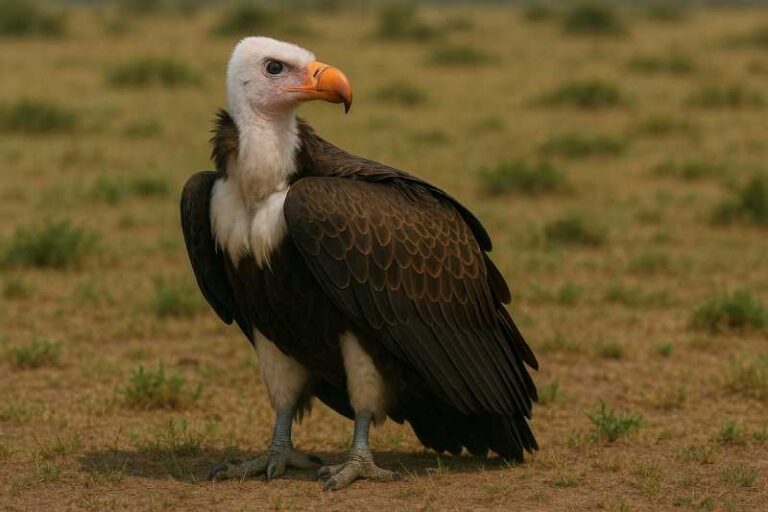
The Majestic Whooping Crane: A Symbol of Conservation Success
The Whooping Crane (Grus americana), one of North America’s most iconic and endangered bird species, is renowned for its striking appearance and remarkable story of survival. Towering at nearly five feet tall with a wingspan stretching over seven feet, the Whooping Crane is distinguished by its snowy white plumage accented with black wingtips and a vibrant red crown. This majestic bird, named for its distinctive whooping call, has captured the hearts of conservationists and bird enthusiasts alike.
Historical Background
Historically, the Whooping Crane’s range extended across much of North America, from the Arctic tundra to the Gulf of Mexico. However, by the mid-20th century, habitat destruction, hunting, and other human activities had driven the species perilously close to extinction. By 1941, the global population had dwindled to a mere 15 individuals, concentrated in a single migratory flock.
Conservation Efforts
The dramatic decline of the Whooping Crane population served as a wake-up call for conservationists and led to concerted efforts to save the species. The establishment of the Aransas-Wood Buffalo migratory route, stretching from Canada to Texas, became a focal point for conservation actions. Legislative measures, such as the Endangered Species Act of 1973, provided legal protections that were crucial for the species’ recovery.
Captive breeding programs played a pivotal role in increasing the Whooping Crane population. The Patuxent Wildlife Research Center in Maryland and the International Crane Foundation in Wisconsin spearheaded these efforts, developing innovative techniques for breeding and raising cranes in captivity. One such technique involved using costumed handlers to prevent the birds from imprinting on humans.
Reintroduction programs have been equally vital. Initiatives such as Operation Migration, which utilized ultralight aircraft to teach young cranes their migratory routes, have helped establish additional migratory populations. Today, the Whooping Crane population has rebounded to approximately 800 individuals, spread across original and reintroduced flocks.
Habitat and Behavior
Whooping Cranes breed in the wetlands of Wood Buffalo National Park in Canada, where they lay one to two eggs per season. The breeding grounds are characterized by marshy areas with abundant water and vegetation, providing ideal conditions for raising chicks. The cranes’ diet consists of insects, crustaceans, and small vertebrates, with a particular preference for blue crabs during their winter stay at the Aransas National Wildlife Refuge.
These cranes are monogamous, often forming lifelong pair bonds. Their courtship displays are elaborate, involving synchronized dancing, leaping, and trumpeting calls, which strengthen the pair’s bond. Whooping Cranes are also known for their long migratory journeys, traveling up to 2,500 miles between their breeding and wintering grounds.
Challenges and Future Prospects
Despite the successes in conservation, Whooping Cranes continue to face numerous challenges. Habitat loss due to development and agriculture remains a significant threat. Climate change poses additional risks, potentially altering the availability of suitable habitats and food sources. Moreover, power line collisions and illegal hunting have caused fatalities, underscoring the need for ongoing vigilance and protection.
Conservationists are exploring new strategies to address these challenges. Efforts to secure and restore wetland habitats are crucial for the cranes’ long-term survival. Public education and community engagement programs are also vital, fostering coexistence between humans and cranes. Technological innovations, such as GPS tracking, are improving our understanding of crane movements and informing conservation strategies.
The story of the Whooping Crane is a testament to the power of dedicated conservation efforts. While significant challenges remain, the recovery of this iconic species offers hope and inspiration for the preservation of biodiversity worldwide. Continued collaboration among government agencies, non-profit organizations, and local communities will be essential in ensuring a bright future for the Whooping Crane.
Conclusion
The Whooping Crane, with its striking beauty and remarkable resilience, continues to captivate and inspire. As a symbol of both the fragility and resilience of nature, it reminds us of our responsibility to protect the planet’s biodiversity. Through continued conservation efforts and public awareness, we can ensure that future generations will also have the opportunity to witness the magnificent flight of the Whooping Crane across the skies of North America.
This is one of the species covered in our book Cranes Of The World which is part of our Kings Birds of the world series, and one of the Kings Guides.

Related posts