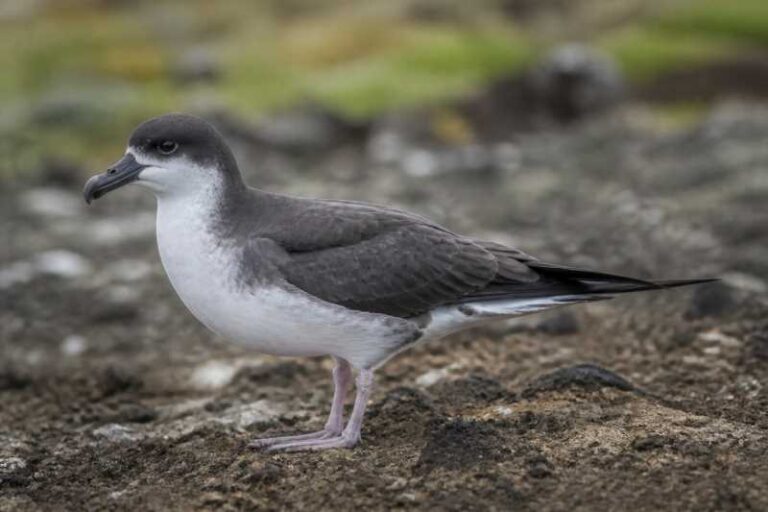
Discovering the Amethyst Brown Dove: A Jewel of the Philippine Forests
The Amethyst Brown Dove (Phapitreron amethystinus) is a captivating bird species endemic to the Philippines, renowned for its iridescent plumage and elusive nature. This dove inhabits the lush forests of the archipelago, playing an integral role in the ecosystem while captivating birdwatchers and ornithologists alike with its unique beauty and behaviors.
Habitat and Distribution
The Amethyst Brown Dove is predominantly found in the lowland and montane forests of the Philippines, particularly on the islands of Luzon, Mindanao, Leyte, and Samar. These birds thrive in dense forests, where the thick canopy provides ample cover and food resources. The species has adapted well to the humid, tropical climate of the region, although deforestation poses a significant threat to its habitat.
Physical Characteristics
True to its name, the Amethyst Brown Dove boasts a stunning array of colors. Its plumage is primarily a rich, warm brown, but it is the iridescent, amethyst-like sheen on the neck and upper back that truly distinguishes it from other doves. This iridescence is a result of microscopic structures in the feathers that refract light, creating a shimmering effect that is particularly striking in sunlight.
The dove is medium-sized, measuring about 27 to 32 centimeters in length. It has a robust body, a relatively short tail, and strong, agile wings. The eyes of the Amethyst Brown Dove are a deep red, adding to its striking appearance, while its legs and feet are a dull pink.
Behavior and Diet
Amethyst Brown Doves are known for their elusive and shy nature, which makes them a challenging subject for study. They are often found alone or in pairs, quietly foraging for food on the forest floor or in the low vegetation. Their diet primarily consists of fruits, seeds, and occasionally small invertebrates. This diet not only sustains them but also aids in seed dispersal, contributing to forest regeneration.
The doves communicate through a series of soft coos and whistles, often heard echoing through the forests. These vocalizations are crucial for mate attraction and territory establishment.
Breeding and Lifespan
The breeding season for the Amethyst Brown Dove typically aligns with the rainy season, when food is abundant. Nesting usually occurs in secluded spots within dense foliage, providing protection from predators. The female lays one or two eggs, which both parents incubate. The cooperative nature of parenting in this species highlights the importance of pair bonds in their life cycle.
While specific data on their lifespan in the wild is limited, captive doves have been known to live for over a decade, suggesting a potentially similar lifespan in their natural habitat, provided environmental conditions remain favorable.
Conservation Status
The Amethyst Brown Dove is currently listed as Near Threatened on the IUCN Red List. The primary threat to this species is habitat loss due to logging, agricultural expansion, and urban development. Conservation efforts are crucial for preserving the remaining forest habitats that are vital for their survival.
Efforts to protect the Amethyst Brown Dove are ongoing, with several Philippine conservation organizations working to safeguard forest areas and raise awareness about the importance of biodiversity. Ecotourism is also being promoted as a sustainable way to support these efforts, offering economic incentives for local communities to preserve their natural resources.
Conclusion
The Amethyst Brown Dove is a remarkable example of the Philippines’ unique biodiversity. Its iridescent plumage and role in forest ecosystems make it a species worth protecting. As threats to its habitat continue to grow, it is imperative that conservation measures are strengthened to ensure that future generations can witness the beauty of this avian gem. By fostering awareness and supporting habitat preservation initiatives, we can help secure a future for the Amethyst Brown Dove and the rich biodiversity of the Philippine forests.
Related posts