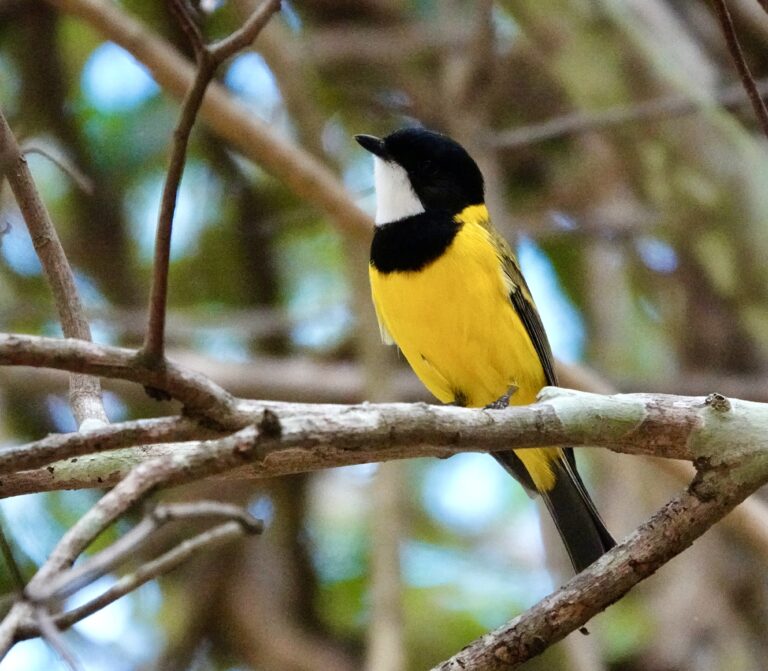
The Wattled Curassow: A Rare Jewel of the Amazon Rainforest
The Wattled Curassow (Crax globulosa) is a striking yet elusive bird species, primarily inhabiting the dense, vibrant ecosystems of the Amazon rainforest. Known for its distinctive appearance and significant ecological role, the Wattled Curassow is increasingly becoming a symbol of conservation efforts in South America. This article delves into the natural history, challenges, and conservation strategies surrounding this remarkable species.
Natural History and Habitat
The Wattled Curassow is a member of the Cracidae family, which includes other curassows, guans, and chachalacas. It is most easily recognized by the peculiar fleshy, wattle-like protuberance on its forehead, which is more prominent in males. This feature gives the bird its common name. The Wattled Curassow boasts a glossy black plumage with a white vent and a bushy tail, adding to its regal appearance.
These birds are native to the lowland rainforests of the Amazon Basin, with populations spotted in countries including Brazil, Peru, Colombia, Bolivia, and Ecuador. They prefer riparian zones and floodplain forests, environments that offer rich biodiversity and abundant food resources. The curassow’s diet is varied, consisting mainly of fruits, seeds, insects, and small vertebrates, making them important seed dispersers and a key component in maintaining the health and diversity of their habitat.
Challenges and Threats
Despite their ecological importance, Wattled Curassows face numerous threats, primarily due to human activities. Habitat destruction through logging, agricultural expansion, and infrastructure development poses significant risks to their survival. The clearing of forests not only reduces their living space but also fragments their habitat, making it difficult for populations to maintain genetic diversity and resilience.
Additionally, hunting pressures have intensified, as the birds are sought after for their meat and occasionally captured for the illegal pet trade. Local and indigenous communities sometimes hunt these birds for subsistence, which, when coupled with habitat loss, exacerbates the decline in their populations.
Conservation Status and Efforts
The Wattled Curassow is currently listed as Vulnerable on the International Union for Conservation of Nature (IUCN) Red List. This classification reflects the species’ declining population trend and the numerous threats it faces across its range.
Conservation efforts are underway to safeguard this species, with strategies focusing on habitat preservation, legal protection, and community engagement. Protecting large swathes of the Amazon rainforest is crucial, not just for the Wattled Curassow but for countless other species relying on this habitat. Initiatives such as establishing protected areas and community-managed reserves have shown promise in curbing deforestation and preserving biodiversity.
Furthermore, raising awareness and involving local communities in conservation efforts are vital. Educating communities about the ecological role of the Wattled Curassow and promoting sustainable practices can help reduce hunting pressures. Some conservation organizations are working alongside local governments to implement programs that offer alternative livelihoods, reducing the reliance on hunting and logging.
The Role of Research and Monitoring
Scientific research plays a crucial role in understanding the ecology and behavior of the Wattled Curassow, informing conservation strategies. Studies on their population dynamics, breeding behaviors, and habitat requirements provide valuable insights that can guide effective management plans.
Monitoring programs are essential for assessing the success of conservation measures and adjusting strategies as needed. Utilizing technology such as satellite imagery and acoustic monitoring can enhance the ability to track changes in curassow populations and habitat conditions.
Conclusion
The Wattled Curassow is a testament to the rich biodiversity of the Amazon rainforest and highlights the intricate balance within these ecosystems. Protecting this species requires a multifaceted approach, combining habitat preservation, legal protection, community involvement, and ongoing research. By championing the conservation of the Wattled Curassow, we not only strive to save a vulnerable species but also contribute to the broader effort of preserving the Amazon and its unparalleled biodiversity for future generations.
Related posts