The Enigmatic Banggai Fruit Dove: A Gem of Indonesia’s Avian Biodiversity
The Banggai Fruit Dove (Ptilinopus subgularis) is one of the lesser-known jewels of Indonesia’s avian diversity. Endemic to the Banggai Archipelago, this species is a testament to the unparalleled biodiversity found within the region. Its vibrant plumage and elusive nature make it a subject of fascination among ornithologists and bird enthusiasts alike.
Physical Characteristics
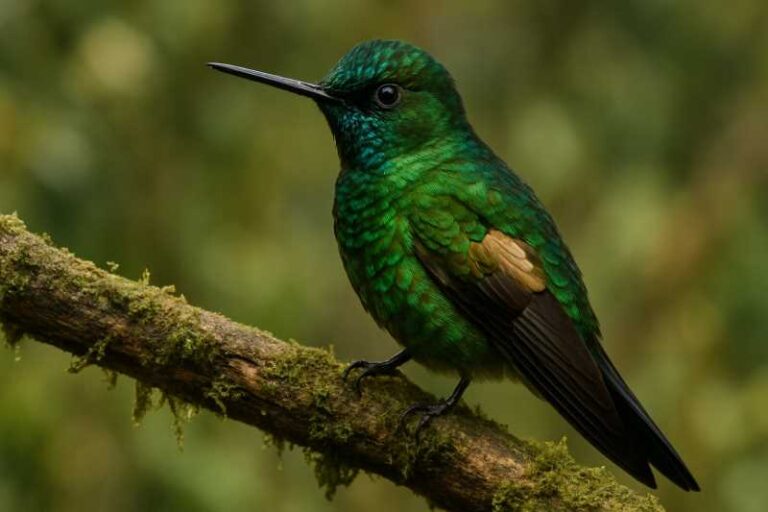
The Banggai Fruit Dove is a medium-sized bird, measuring approximately 22-24 cm in length. The species is renowned for its striking coloration, which serves as both a form of camouflage and a display of its ecological niche. Its plumage is predominantly green, allowing it to blend seamlessly into the dense forest canopy. The crown and nape feature a rich purple hue, which contrasts with the sharp, white markings on its throat and belly. The iridescent quality of their feathers adds a layer of mystique, shimmering subtly in the dappled sunlight that filters through the trees.
Habitat and Distribution
As its name suggests, the Banggai Fruit Dove is confined to the Banggai Islands, a remote group of islands situated in the central part of Indonesia. These islands are characterized by their lush tropical rainforests, which provide an ideal habitat for the species. The doves are primarily arboreal, spending most of their time in the upper canopy where they forage for fruit.
The preservation of this habitat is crucial for the survival of the Banggai Fruit Dove. Unfortunately, the region faces significant environmental challenges, including deforestation and habitat fragmentation due to agricultural expansion and logging activities. Conservation efforts are paramount to ensure that these birds continue to thrive in their natural environment.
Diet and Feeding Behavior
The diet of the Banggai Fruit Dove is predominantly frugivorous, consisting mainly of various fruits, berries, and figs. Their role as seed dispersers is vital for the health of their ecosystem, aiding in the propagation of numerous plant species. The doves’ feeding behavior is characterized by their reliance on the availability of fruiting trees. During times of scarcity, they may expand their range in search of food, demonstrating a level of adaptability that is crucial for their survival.
Breeding and Life Cycle
Little is known about the specific breeding habits of the Banggai Fruit Dove, largely due to their elusive nature and the inaccessibility of their habitat. However, like other members of the Columbidae family, it is assumed that they construct simple nests made of twigs and leaves. The female typically lays a single egg, which both parents incubate. The chicks are altricial, requiring significant parental care before they are ready to fledge.
Conservation Status and Threats
The Banggai Fruit Dove is currently classified as Near Threatened on the IUCN Red List. The primary threats to its survival are habitat loss and degradation. The expansion of agriculture, illegal logging, and infrastructure development pose significant risks to the delicate ecosystems of the Banggai Islands.
Conservation organizations are working to mitigate these threats through a combination of habitat protection, restoration initiatives, and community engagement. Raising awareness about the importance of preserving the Banggai Fruit Dove and its habitat is crucial for fostering local and international support.
The Role of Ecotourism
Ecotourism presents a unique opportunity to promote the conservation of the Banggai Fruit Dove. By attracting birdwatchers and nature enthusiasts to the region, there is potential to generate economic benefits for local communities. This, in turn, can incentivize the preservation of natural habitats and encourage sustainable development practices.
Promoting responsible tourism that prioritizes environmental stewardship and respects local cultures is essential. Collaborative efforts between conservation organizations, government agencies, and local stakeholders can help create a model where biodiversity conservation and community development go hand in hand.
Conclusion
The Banggai Fruit Dove is more than just a vibrant bird species; it is an integral component of the rich tapestry of life in the Banggai Archipelago. Its survival is intricately linked to the health of its habitat and the broader ecosystem. Protecting this species requires a concerted effort from all stakeholders, emphasizing the importance of conservation, research, and sustainable practices.
By raising awareness and fostering a deep appreciation for the unique biodiversity of the Banggai Islands, we can ensure that the Banggai Fruit Dove continues to enchant future generations with its beauty and ecological significance.
Related posts