The Enigmatic Papuan Boobook: A Glimpse into the Life of Ninox theomacha
The Papuan Boobook, scientifically known as Ninox theomacha, is a captivating species of owl that inhabits the dense forests of New Guinea and nearby islands. This medium-sized bird of prey, belonging to the family Strigidae, is renowned for its distinctive call and elusive nature. Despite its relative abundance in its natural habitat, the Papuan Boobook remains a subject of intrigue and admiration for ornithologists and bird enthusiasts alike.
Habitat and Distribution
The Papuan Boobook is predominantly found in the lowland and montane forests of New Guinea. Its range extends from the Vogelkop Peninsula in the west to the easternmost regions of Papua New Guinea, including the Bismarck Archipelago and the D’Entrecasteaux Islands. The species thrives in a variety of forested environments, from dense primary rainforests to secondary growth and edge habitats. This adaptability has allowed the Papuan Boobook to maintain stable populations across its range, even in areas impacted by human activity.
Physical Characteristics
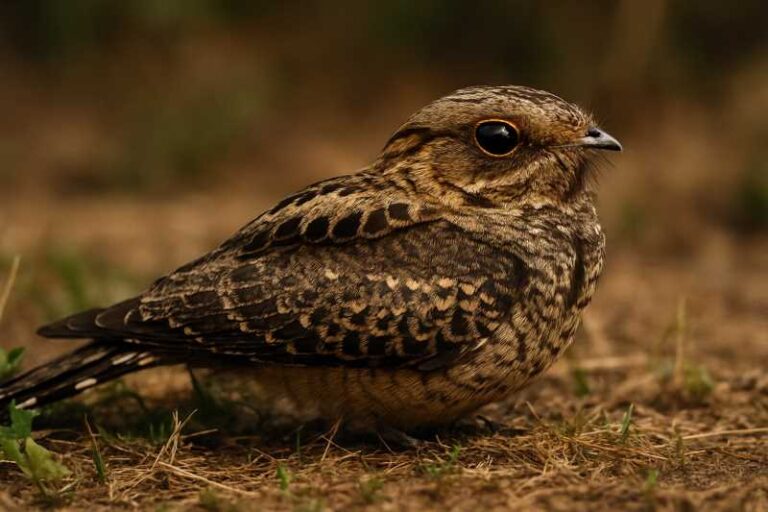
The Papuan Boobook is a medium-sized owl, measuring approximately 27 to 35 centimeters in length, with a wingspan of 70 to 80 centimeters. It is characterized by its striking facial disc, which is adorned with a mix of brown and white feathers, providing a camouflaged appearance against the forest backdrop. The owl’s plumage is predominantly brown, with darker streaks and spots that vary among individuals. Its large, forward-facing eyes are adapted for nocturnal hunting, granting it excellent night vision.
Behavior and Diet
As a nocturnal predator, the Papuan Boobook is primarily active during the night, using its acute hearing and keen eyesight to hunt for prey. Its diet is diverse, consisting mainly of insects, small mammals, and occasionally birds and reptiles. The owl’s hunting technique involves a combination of perch-and-wait strategies and stealthy flight, allowing it to ambush unsuspecting prey with precision. The Papuan Boobook’s call is a distinctive series of hoots and whistles, often heard echoing through the forest at night, marking its territory and communicating with potential mates.
Breeding and Lifespan
The breeding season of the Papuan Boobook typically occurs during the dry season, between June and August. During this time, males engage in elaborate vocal displays to attract females and establish breeding territories. Once paired, the female lays a clutch of two to three eggs in a tree hollow or abandoned nest, which she incubates for approximately 30 days. Both parents share in the responsibility of feeding and caring for the young, which fledge after about five weeks. The Papuan Boobook has a lifespan of up to 15 years in the wild, though this can vary based on environmental conditions and predation pressures.
Conservation Status and Threats
Currently, the Papuan Boobook is classified as a species of least concern by the International Union for Conservation of Nature (IUCN). Its wide distribution and adaptability to various habitats contribute to its stable population status. However, like many forest-dependent species, the Papuan Boobook faces potential threats from habitat destruction due to logging, agriculture, and urban expansion. Climate change also poses a long-term threat, potentially altering the ecosystems on which this owl relies.
Conservation efforts aimed at preserving New Guinea’s rich biodiversity are crucial for ensuring the continued survival of the Papuan Boobook. Initiatives that promote sustainable land use, reforestation, and the establishment of protected areas are vital components of these efforts. Raising awareness about the ecological significance of this species can also foster a greater appreciation for its role in maintaining the health of forest ecosystems.
Fascination and Future Research
The Papuan Boobook continues to captivate researchers and bird enthusiasts with its mysterious and elusive nature. Ongoing studies aim to uncover more about its behavioral ecology, genetic diversity, and responses to environmental changes. Such research is essential not only for understanding the species itself but also for gaining insights into the ecological dynamics of New Guinea’s forests.
In conclusion, the Papuan Boobook is a remarkable example of the intricate biodiversity found in New Guinea. Its adaptability, distinctive characteristics, and role as a nocturnal predator highlight its importance within the forest ecosystem. Continued research and conservation efforts are imperative to ensure that this enigmatic owl remains a thriving symbol of New Guinea’s natural heritage.
Related posts