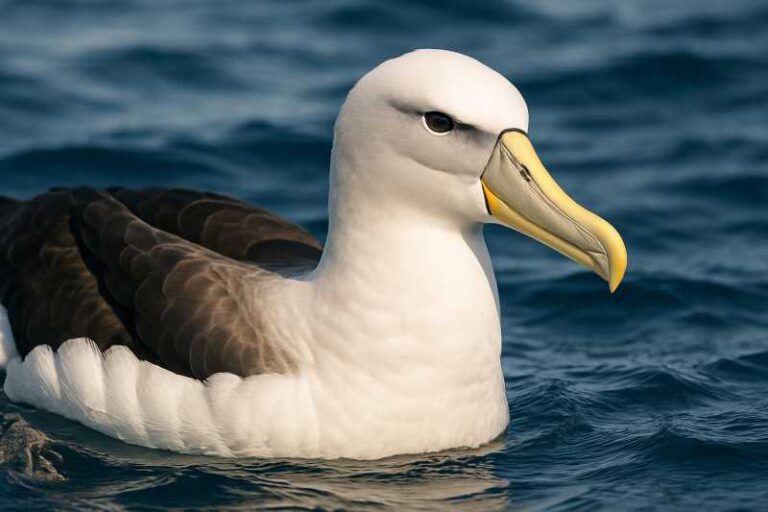
The Majestic Great-billed Kingfisher: An In-depth Exploration of Pelargopsis melanorhyncha
The Great-billed Kingfisher (Pelargopsis melanorhyncha) stands as a remarkable avian wonder, captivating ornithologists and bird enthusiasts alike with its distinct features and behaviors. This bird, native to the lush forests of Southeast Asia, particularly Indonesia, is a testament to the rich biodiversity of the region. This article delves into the characteristics, habitat, behavior, and conservation efforts surrounding this extraordinary species.
Distinctive Characteristics
The Great-billed Kingfisher is renowned for its impressive and robust bill, which is strikingly larger compared to other kingfishers. This adaptation is not merely for show; it plays a crucial role in its feeding habits. The bird’s plumage is equally captivating, with a vibrant mix of blue and turquoise on its wings and back, contrasted by a bright orange underbelly. The head is adorned with a subtle, yet elegant, chestnut hue. These colors not only serve as a visual delight but also play a role in camouflage within their natural habitat.
What truly sets the Great-billed Kingfisher apart is its size. As one of the largest members of the kingfisher family, it measures approximately 35 to 40 centimeters in length. This impressive stature is complemented by a wingspan that aids in its agile maneuvers through the dense canopy of tropical forests.
Habitat and Distribution
Pelargopsis melanorhyncha is primarily found in the dense, humid forests of Sulawesi and adjacent islets in Indonesia. These regions provide the perfect environment for the kingfisher, with abundant water bodies such as rivers, streams, and mangroves that are essential for its survival. The bird prefers lowland forests, often venturing into coastal and mangrove areas in search of food.
The distribution of the Great-billed Kingfisher is limited, making its habitat crucial for its continued survival. Human activities such as deforestation and land conversion pose significant threats to these habitats, necessitating urgent conservation efforts to protect these regions.
Feeding Behavior
The diet of the Great-billed Kingfisher is as fascinating as its appearance. It primarily feeds on fish, which it skillfully catches with its formidable bill. The bird is known for its patience, often perching silently by the water’s edge before diving in a swift and precise motion to capture its prey. In addition to fish, it also consumes crustaceans and small invertebrates, showcasing its adaptability in various environments.
This dietary flexibility is critical for its survival, particularly in regions where water bodies may be affected by seasonal changes or human interference.
Breeding and Lifecycle
The breeding behavior of the Great-billed Kingfisher is characterized by its solitary nesting habits. The bird typically nests in burrows dug into riverbanks or dirt walls, a task facilitated by its powerful bill. These nests are carefully constructed to protect the young from predators and environmental elements.
The breeding season often aligns with the wet season when food is abundant. The female lays a clutch of two to four eggs, which are incubated by both parents. This shared responsibility extends into feeding the hatchlings, ensuring they receive adequate nutrition and care until they are ready to fledge.
Conservation Status and Efforts
Currently, the Great-billed Kingfisher is listed as Near Threatened on the IUCN Red List. The primary threats to its survival include habitat destruction due to logging, agricultural expansion, and the encroachment of human settlements. These activities have led to significant habitat fragmentation, reducing the available territory for the species.
Conservation efforts are focused on habitat protection and restoration. Initiatives include the establishment of protected areas, reforestation projects, and community engagement programs aimed at promoting sustainable land-use practices. Additionally, there is a growing emphasis on scientific research to better understand the ecological needs of the Great-billed Kingfisher, informing future conservation strategies.
Conclusion
The Great-billed Kingfisher is a magnificent representation of the avian diversity found in Southeast Asia. Its unique characteristics and behaviors make it a subject of great interest and importance in biodiversity conservation. Protecting this species and its habitat is not only crucial for maintaining ecological balance but also for preserving the natural heritage of the region.
As we continue to explore and understand the intricacies of Pelargopsis melanorhyncha, it becomes increasingly clear that concerted conservation efforts are vital to ensuring that future generations can also witness the splendor of the Great-billed Kingfisher in its natural habitat.
Related posts