Shining-blue Kingfisher: A Jewel of the African Waterways
The Shining-blue Kingfisher, scientifically known as *Alcedo quadribrachys*, is a dazzling bird that graces the waterways of West and Central Africa. This article delves into the unique characteristics, habitat, and conservation status of this captivating species.
Taxonomy and Description
The Shining-blue Kingfisher belongs to the family Alcedinidae, which encompasses a variety of kingfisher species known for their vivid plumage and exceptional hunting skills. The Latin name *Alcedo quadribrachys* reflects its classification within this illustrious family.
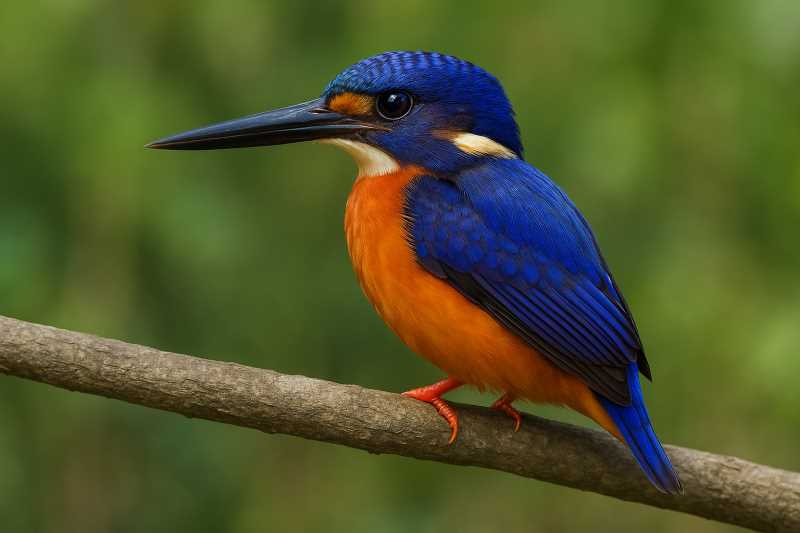
What sets the Shining-blue Kingfisher apart is its striking appearance. As its name suggests, this bird boasts a shimmering blue plumage that captures the sunlight in a spectacular fashion. With a size of approximately 17 cm, it is relatively small compared to other kingfisher species. Its wings and back are a deep blue, while the underparts are a contrasting white. The bird’s crown and ear coverts display a mix of blue and black, adding to its allure. Its sharp, straight bill is perfectly adapted for its piscivorous diet, allowing it to deftly catch fish and other aquatic prey.
Habitat and Distribution
The Shining-blue Kingfisher is found predominantly in the lowland tropical forests and mangrove swamps of West and Central Africa. Its range extends from Senegal and The Gambia in the west to Uganda and Angola in the east, with sightings reported as far south as Gabon. This species thrives in proximity to water bodies, favoring rivers, streams, and coastal wetlands where it can hunt efficiently.
The bird’s preferred habitat is characterized by dense vegetation and overhanging branches, which provide perfect perches for spotting prey. These environments not only offer abundant food resources but also provide essential cover from potential predators.
Behavior and Diet
Shining-blue Kingfishers are solitary and territorial birds. They establish territories along watercourses, which they fiercely defend against intruders. Their primary diet consists of small fish, crustaceans, and aquatic insects. With their keen eyesight, they are adept at spotting prey from perches above the water. Once a target is identified, the kingfisher dives headfirst into the water, using its powerful wings and streamlined body to catch its meal.
This species is known for its patient hunting technique. Unlike some kingfishers that hover over the water, the Shining-blue Kingfisher prefers a sit-and-wait strategy, remaining still until the perfect opportunity presents itself.
Breeding and Lifecycle
The breeding season of the Shining-blue Kingfisher varies across its range but generally coincides with the rainy season when food is abundant. During this period, males perform elaborate courtship displays, showcasing their vibrant plumage to attract potential mates.
After pairing, the female excavates a burrow in a riverbank or sandbank, where she lays a clutch of 2-6 eggs. Both parents participate in incubating the eggs and feeding the chicks once they hatch. The young are altricial, meaning they are born blind and featherless, relying entirely on their parents for care until they fledge.
Conservation Status and Threats
The Shining-blue Kingfisher is currently listed as Least Concern by the International Union for Conservation of Nature (IUCN). However, like many species dependent on aquatic ecosystems, it faces potential threats from habitat loss and degradation.
Deforestation, agricultural expansion, and urban development are significant drivers of habitat loss in the regions where these kingfishers live. Additionally, pollution of water bodies and climate change pose ongoing risks to their survival. Conservation efforts aimed at preserving wetland habitats and promoting sustainable land-use practices are crucial in ensuring the continued existence of this species.
Conclusion
The Shining-blue Kingfisher is a testament to the diversity and beauty of the avian world. Its vibrant colors and fascinating behaviors make it a subject of admiration and study for ornithologists and birdwatchers alike. Preserving its habitat is essential not only for the kingfisher’s survival but also for the health of the ecosystems it inhabits. By promoting conservation efforts and raising awareness, we can help ensure that future generations have the opportunity to witness the splendor of the Shining-blue Kingfisher in its natural habitat.
Related posts