The Western Reef Heron: A Versatile Coastal Bird
The Western Reef Heron (Egretta gularis) is a fascinating and adaptable bird species that has captured the interest of ornithologists and bird enthusiasts alike. Known for its unique physical characteristics and versatile hunting strategies, the Western Reef Heron is a prominent member of the family Ardeidae, which includes herons, egrets, and bitterns. This article delves into the distinctive features, habitat, behavior, and conservation status of this remarkable bird.
Physical Characteristics
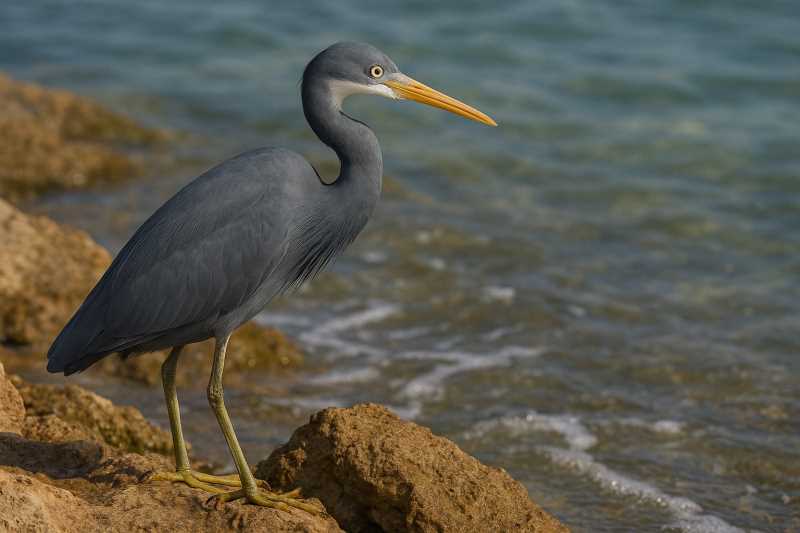
The Western Reef Heron is easily identifiable due to its striking appearance. This medium-sized heron exhibits two distinct color morphs: a dark morph and a white morph. The dark morph is characterized by slate-gray plumage, while the white morph is predominantly white with some black markings. Both morphs display a slender neck, long legs, and a sharp bill that is perfectly adapted for catching fish and other small aquatic animals.
During the breeding season, adults develop ornamental plumes on their heads, giving them a more elegant appearance. The average body length of the Western Reef Heron ranges from 55 to 65 centimeters, with a wingspan of approximately 85 to 95 centimeters. Despite its relatively modest size, the heron’s wings are powerful and allow for agile flight.
Habitat and Distribution
The Western Reef Heron is primarily found along the coastlines of West Africa, the Red Sea, the Arabian Peninsula, and parts of South Asia. Its preferred habitats include mangroves, mudflats, estuaries, and coral reefs—areas rich in the tidal pools and shallow waters that provide abundant food sources. The species has also adapted to inland freshwater habitats, such as lakes and rivers, especially during the non-breeding season.
This bird’s wide distribution and adaptability to various aquatic environments highlight its resilience and resourcefulness. However, it remains closely tied to coastal ecosystems, where it fulfills a crucial ecological role as both predator and prey.
Feeding Behavior and Diet
The Western Reef Heron is a skilled hunter, employing several strategies to capture its prey. It primarily feeds on fish, but its diet also includes crustaceans, mollusks, and insects. The heron’s hunting techniques are diverse and fascinating to observe. One common method is ‘stand and wait,’ where the heron remains motionless in shallow water, waiting for unsuspecting prey to come within striking distance.
Another technique is ‘active pursuit,’ where the heron chases prey with rapid movements, often using its wings to create shade on the water’s surface, reducing glare and making it easier to spot fish. This behavior demonstrates the heron’s intelligence and adaptability, allowing it to thrive in different environments.
Reproduction and Life Cycle
The breeding season of the Western Reef Heron varies by region but generally occurs during the warmer months when food is abundant. These birds are monogamous and typically nest in colonies. The nests are constructed from sticks and are usually located in trees or shrubs near water.
Females lay between two to four eggs per clutch, which are incubated by both parents for about 23 to 26 days. After hatching, the chicks are cared for by both parents and fledge around 40 to 45 days later. The involvement of both parents in nurturing the young highlights the cooperative nature of this species.
Conservation Status
The International Union for Conservation of Nature (IUCN) currently lists the Western Reef Heron as a species of Least Concern. Although the global population is stable, localized threats such as habitat destruction, pollution, and disturbance from human activities continue to pose risks.
Coastal development and the degradation of wetlands can lead to the loss of crucial nesting and feeding sites for the herons. Conservation efforts focused on preserving and restoring coastal habitats are vital to ensuring the long-term survival of this species. Additionally, raising awareness about the importance of protecting coastal ecosystems can help mitigate the impact of human activities.
Conclusion
The Western Reef Heron is a remarkable bird species that exemplifies adaptability and resilience in the face of changing environments. Its distinctive appearance, diverse hunting strategies, and wide distribution make it a subject of interest for both researchers and bird watchers. As we continue to grapple with environmental challenges, it is crucial to protect the habitats that sustain this and other coastal bird species, ensuring their presence for future generations to enjoy and study.
Related posts