Sigma 16-300mm F3.5-6.7 DC OS: A Versatile Lens for Bird Enthusiasts
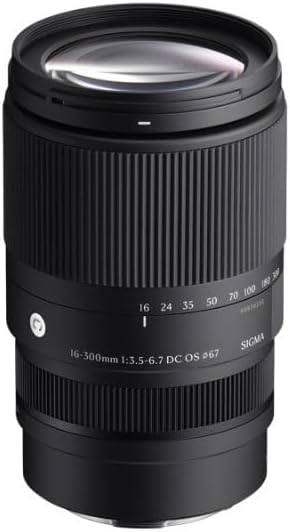
For bird enthusiasts, capturing the perfect image of a distant or fast-moving avian subject requires not only patience and skill but also the right equipment. The Sigma 16-300mm F3.5-6.7 DC OS lens is a compelling option for those looking to explore the world of bird photography. This all-in-one zoom lens is designed to cater to both amateur and semi-professional photographers who need versatility and convenience without the hassle of constantly changing lenses in the field.
Versatility and Focal Range
One of the standout features of the Sigma 16-300mm is its impressive focal range. With a wide-angle starting at 16mm and stretching to a telephoto reach of 300mm, this lens provides photographers with the flexibility to capture a variety of shots without the need to carry multiple lenses. For bird photographers, this means being able to capture both wide environmental shots and close-ups of distant subjects with ease.
This versatility is particularly advantageous in situations where birds are in constant motion or when shooting in challenging environments where changing lenses can be cumbersome or impractical. The wide focal range also allows for creative freedom, enabling photographers to experiment with different compositions and perspectives.
Optical Stabilization
The Sigma 16-300mm lens features Optical Stabilization (OS), a crucial element for bird photography, especially when shooting handheld. This technology helps to mitigate the effects of camera shake, allowing for sharper images even at slower shutter speeds. For bird enthusiasts, this means being able to capture crisp images of birds in flight or perched in low-light conditions without the need for a tripod.
Build Quality and Design
The lens is constructed with a Thermally Stable Composite (TSC) material, which is both lightweight and durable. This is a significant advantage for bird photographers who often find themselves trekking through various terrains. The lens is also equipped with a zoom lock switch to prevent "zoom creep," a common issue with lenses of this range.
The design includes a water and oil-repellent coating on the front and rear elements, making it easier to clean and maintain. This feature is particularly beneficial when shooting in harsh outdoor conditions where dust and moisture can be a concern.
Image Quality
In terms of image quality, the Sigma 16-300mm delivers satisfactory results, especially considering its broad focal range. The lens incorporates four FLD ("F" Low Dispersion) glass elements, which help to minimize chromatic aberration and ensure sharpness across the zoom range. While the image quality is generally good, it may not match the sharpness and clarity of prime lenses or higher-end telephoto lenses, particularly at the extreme ends of the zoom.
Autofocus Performance
The lens is equipped with a Hyper Sonic Motor (HSM) that provides fast and quiet autofocus. This is a crucial feature for bird photography, where speed and silence can make the difference between capturing a fleeting moment or missing it entirely. However, some users may find the autofocus to be slightly less responsive in low-light conditions or when tracking fast-moving subjects.
Aperture and Low Light Performance
With a variable aperture range of F3.5-6.7, the Sigma 16-300mm is not the brightest lens available, particularly at the telephoto end. This can be a limitation in low-light situations, such as early morning or late afternoon when many bird species are most active. Photographers may need to compensate with higher ISO settings, which can introduce noise into images.
Portability and Convenience
Weighing in at approximately 585g (1.3 lbs), the Sigma 16-300mm is relatively lightweight given its focal range. This portability makes it an attractive option for bird enthusiasts who need to travel light or for those who prefer to shoot without a tripod. The convenience of having a single lens that covers such a wide range is appealing for those who prioritize ease of use over the highest image quality.
Price Consideration
The Sigma 16-300mm F3.5-6.7 DC OS is competitively priced, making it accessible for many enthusiasts who are beginning to explore bird photography or who are looking for an all-in-one solution. While it may not offer the same level of performance as some more expensive, specialized lenses, it provides a good balance of quality and versatility for its price point.
Conclusion
For bird enthusiasts, the Sigma 16-300mm F3.5-6.7 DC OS offers a compelling blend of versatility, convenience, and affordability. Its wide focal range and optical stabilization make it a practical choice for those who wish to capture a variety of shots in diverse conditions without the hassle of carrying multiple lenses. However, photographers should be aware of its limitations in low-light performance and image sharpness at the extremities of its zoom range.
Ultimately, the Sigma 16-300mm is an excellent choice for those who value flexibility and ease of use, particularly when exploring the dynamic and unpredictable world of bird photography. It may not be the best option for those seeking the highest image quality, but it certainly serves as a reliable and versatile companion for capturing the beauty of avian life.
We are affiliated with Amazon and make a small royalty at no extra cost to you, so by using the links below to purchase your next birding gear you can help us to maintain Simply Birding and continue to bring great content:
Buy the Sigma 16-300mm F3.5-6.7 DC OS on Amazon now
Related posts