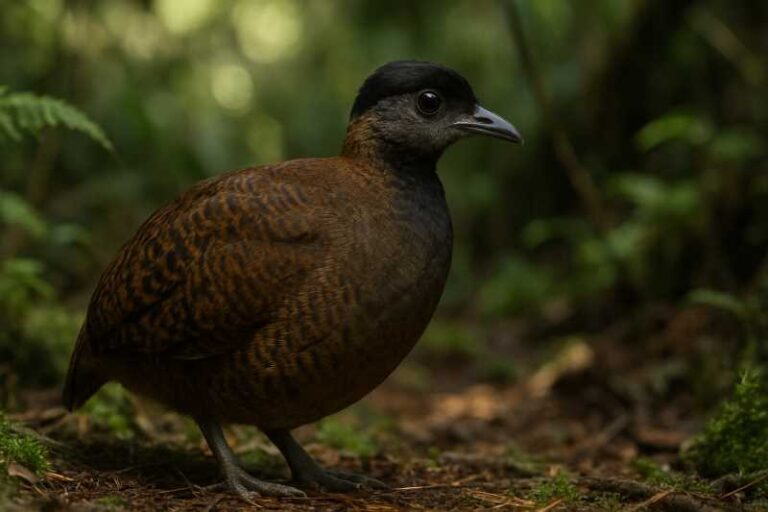
The Black-headed Tanager: A Jewel of the Neotropics
The avian world is replete with stunning examples of nature’s artistry, and among these, the Black-headed Tanager (Stilpnia cyanoptera) stands out as a particularly vibrant specimen. Endemic to the Neotropical regions of Central and South America, this bird is a testament to the rich biodiversity found in these lush landscapes. Its striking coloration and melodious song have made it a favorite among birdwatchers and ornithologists alike.
Taxonomy and Classification
The Black-headed Tanager belongs to the family Thraupidae, which comprises a diverse group of small to medium-sized passerine birds commonly referred to as tanagers. Its scientific name, *Stilpnia cyanoptera*, signifies its distinctive blue-winged appearance, with ‘cyanoptera’ derived from Greek roots meaning ‘blue’ and ‘wing’. The species was first described in the 19th century, and since then, it has captivated the interest of avian researchers due to its unique characteristics and behaviors.
Physical Characteristics
The Black-headed Tanager is renowned for its striking plumage. As its name suggests, it features a glossy black head that contrasts sharply with its vibrant blue wings and back. The body is predominantly green, providing an exquisite balance of colors that allows it to blend seamlessly into the verdant canopies it inhabits. The bird’s underparts are lighter, often a soft yellow-green, which adds to its visual appeal. Measuring approximately 12 to 14 centimeters in length, this tanager is a compact but visually impactful bird.
Habitat and Distribution
The Black-headed Tanager is primarily found in the lowland forests and subtropical or tropical moist forests of Central and South America. Its range extends from Costa Rica to Colombia and Venezuela, with isolated populations in parts of Ecuador and Brazil. The species thrives in environments that offer dense foliage, as it relies on the cover of leaves to evade predators and search for food.
Diet and Feeding Behavior
This tanager is an omnivorous bird, with a diet that consists of fruits, insects, and nectar. Its feeding behavior is both fascinating and adaptive; it uses its sharp beak to skillfully extract insects from tree bark and foliage. The bird’s preference for fruit makes it an important seed disperser, contributing to the ecological health of its habitat. During the breeding season, its diet shifts slightly to include more insects, which provide the necessary protein for raising young.
Reproductive Habits
The breeding season for the Black-headed Tanager typically coincides with the onset of the rainy season, ensuring an abundance of food resources for the growing chicks. Nests are usually constructed in dense shrubs or trees, where they are well-hidden from predators. A typical clutch consists of two to three eggs, which are incubated primarily by the female. Both parents participate in feeding the fledglings, showcasing a cooperative approach to parenting.
Conservation Status
Currently, the Black-headed Tanager is classified as a species of Least Concern by the International Union for Conservation of Nature (IUCN). Despite this seemingly reassuring status, the bird faces threats from habitat loss due to deforestation and agricultural expansion. Conservation efforts in its native range focus on preserving the vital forest habitats and promoting sustainable land-use practices.
The Role of the Black-headed Tanager in Ecosystems
Beyond its aesthetic appeal, the Black-headed Tanager plays a crucial role in maintaining the ecological balance of its habitat. As a seed disperser and insect predator, it helps propagate plant species and control insect populations. These interactions highlight the interconnectedness of tropical ecosystems, where each species, no matter how small, contributes to the overall health and resilience of the environment.
Observational Opportunities
For bird enthusiasts and ecotourists, the Black-headed Tanager offers an exciting opportunity for observation. Its vibrant colors and lively song make it a sought-after species for birdwatching tours in Costa Rica and Colombia, where local guides are well-versed in the best spots to encounter these birds. Photographing this tanager in its natural habitat not only provides a visual delight but also fosters a deeper appreciation for the complexities of tropical ecosystems.
Conclusion
The Black-headed Tanager is a remarkable example of nature’s diversity and beauty. Its vibrant plumage, harmonious song, and ecological importance make it a valuable member of the avian community in the Neotropics. As we continue to explore and understand these ecosystems, appreciating and conserving species like the Black-headed Tanager becomes imperative, ensuring that future generations can also marvel at this jewel of the forest.
By protecting and celebrating the Black-headed Tanager, we take a significant step toward preserving the rich tapestry of life that characterizes the world’s tropical regions.
Related posts