The Blue-winged Warbler: A Marvel of Avian Adaptation
The avian world is filled with wonders, but few are as captivating as the Blue-winged Warbler (Vermivora cyanoptera). This small songbird, belonging to the New World warbler family, Parulidae, is a vibrant splash of life in the lush forests and shrubby fields of its habitat. Known for its distinctive coloration and melodic voice, the Blue-winged Warbler is a species that both ornithologists and bird enthusiasts hold in high regard.
Physical Characteristics
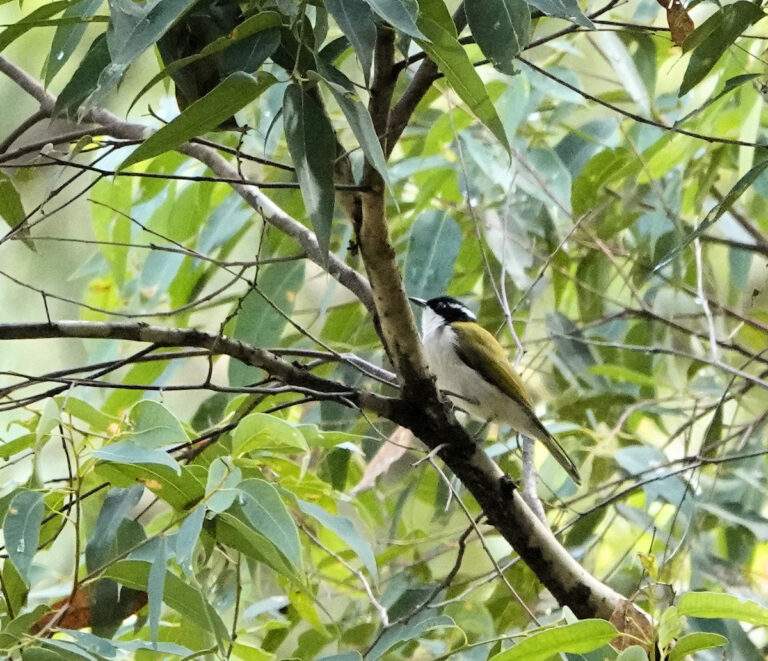
The Blue-winged Warbler is a diminutive bird, measuring about 11.4 cm (4.5 inches) in length with a wingspan of approximately 18 cm (7 inches). It is easily identifiable by its bright yellow underparts and olive-green back, contrasted with bluish-gray wings and two white wing bars. The namesake blue wings are not a vivid blue but rather a subtle gray-blue that complements its overall plumage. One of its most striking features is the black line through the eyes, resembling a sleek eyemask, which gives the bird a somewhat inquisitive expression.
Habitat and Distribution
This warbler is primarily found in the eastern United States, with its range extending from the Great Lakes region down to the southeastern states during the breeding season. Its preferred habitats include open woodlands, shrubby fields, and overgrown pastures. During the non-breeding season, the Blue-winged Warbler migrates to Central America, from southern Mexico to Panama, where it occupies similar environments such as secondary forests and plantations.
Breeding and Behavior
The breeding behavior of the Blue-winged Warbler is a fascinating aspect of its life cycle. These birds are known for their ground-level nesting habits, often choosing to build nests in dense vegetation to protect their young from predators. The nests are constructed by the female using grasses, leaves, and bark, creating a camouflaged sanctuary for her clutch, which typically consists of 4 to 7 eggs.
During the breeding season, males are particularly vocal, utilizing their distinctive "bee-buzz" song to establish territory and attract mates. This song is an essential tool in their reproductive strategy, with variations in pitch and frequency sometimes observed, which may serve as individual identifiers.
Diet and Foraging
The Blue-winged Warbler’s diet consists mainly of insects and spiders, which they forage from foliage and branches. Their foraging behavior is active and agile, often seen hovering briefly to glean insects from leaves or capturing prey in mid-flight. This insectivorous diet makes them important players in the control of insect populations, balancing the ecosystem’s food web.
Hybridization and Conservation
A unique aspect of the Blue-winged Warbler’s life history is its tendency to hybridize with the closely related Golden-winged Warbler (Vermivora chrysoptera). This hybridization results in two distinct hybrids: the Brewster’s Warbler and the Lawrence’s Warbler, each exhibiting unique combinations of their parent species’ plumage characteristics.
Hybridization poses a conservation challenge, as it threatens the genetic integrity of both parent species, particularly the more vulnerable Golden-winged Warbler. Conservation efforts focus on habitat preservation and management to ensure sustainable populations of both species, with particular emphasis on maintaining the open, shrubby habitats that both warblers favor.
Despite these challenges, the Blue-winged Warbler’s overall population remains stable. However, ongoing monitoring is crucial, given the pressures of habitat loss and hybridization.
The Role of Citizen Science
Bird enthusiasts and citizen scientists play a pivotal role in monitoring Blue-winged Warbler populations. Programs such as eBird allow birders to record sightings, contributing valuable data that helps ornithologists track population trends and distribution changes. These efforts are vital for the continued understanding and conservation of this species.
Conclusion
The Blue-winged Warbler is a remarkable example of avian adaptability and resilience. Its vibrant plumage, distinctive song, and fascinating behavior make it a beloved species among bird watchers and researchers alike. As we continue to study and appreciate this small but significant bird, we must also commit to the conservation efforts necessary to preserve its habitat and ensure its survival for future generations.
In a world where many species face the threat of extinction, the Blue-winged Warbler serves as a reminder of the beauty and complexity of nature, urging us to protect and cherish the biodiversity that enriches our planet.
Related posts