Exploring the Nikon NIKKOR Z 85mm f/1.8 S: A Bird Enthusiast’s Perspective
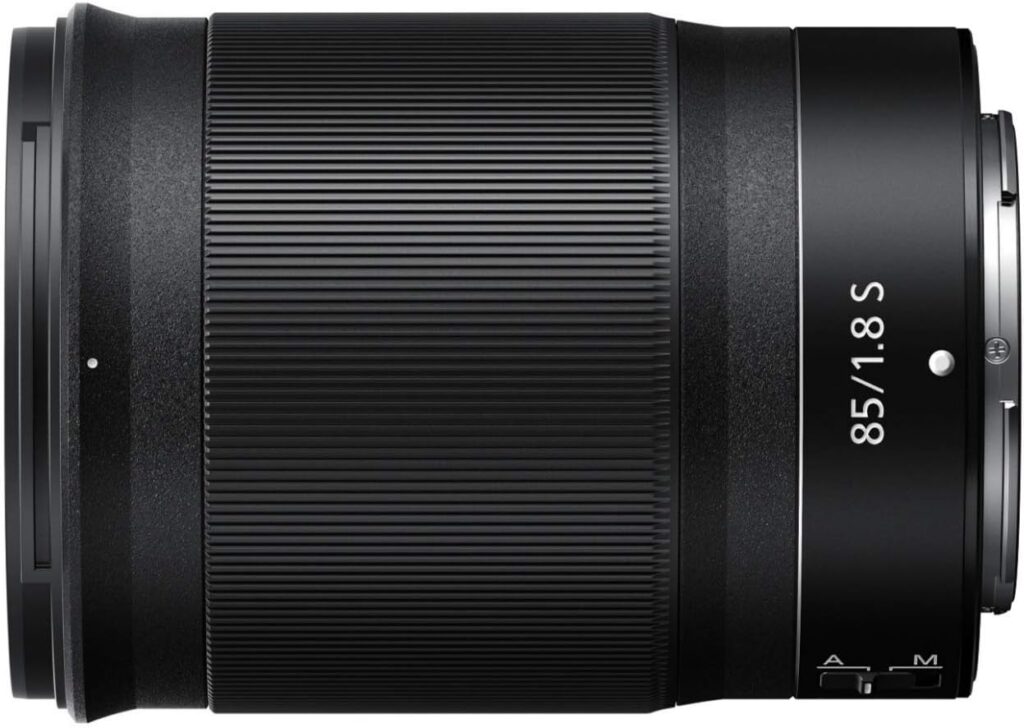
In the realm of bird photography, where precision and clarity are paramount, the choice of lens can significantly impact the quality of the images captured. The Nikon NIKKOR Z 85mm f/1.8 S has been making waves in the photography community, touted for its impressive optics and compact design. While primarily marketed for portraiture, this lens holds potential for bird enthusiasts who appreciate a different perspective. This article delves into the key features, benefits, and drawbacks of using the Nikon NIKKOR Z 85mm f/1.8 S for bird photography.
Capturing Details with Precision
The NIKKOR Z 85mm f/1.8 S is renowned for its exceptional sharpness. For bird enthusiasts, capturing the intricate details of feathers, eyes, and other fine elements is crucial. The lens features a sophisticated optical design with 12 elements in 8 groups, including two extra-low dispersion (ED) glass elements, which minimizes chromatic aberration and ensures high resolution across the frame. This translates to sharp images with outstanding clarity, even when the lens is used at its widest aperture.
The lens’s fast f/1.8 maximum aperture is a significant advantage in bird photography, particularly in low-light conditions such as early mornings or late afternoons. This wide aperture not only facilitates faster shutter speeds, reducing motion blur when capturing fast-moving subjects, but also allows for beautiful subject isolation with a pleasing bokeh effect. Birds can be captured with a smooth out-of-focus background, highlighting them in their natural habitat.
Compact and Lightweight for Field Use
Bird photography often necessitates long hours in the field, and hence, the portability of equipment is vital. Weighing approximately 470 grams (1.03 lbs), the NIKKOR Z 85mm f/1.8 S is remarkably lightweight and compact. Its build is robust, featuring a dust- and drip-resistant construction, making it well-suited for outdoor photography in various environmental conditions.
For bird enthusiasts, who may sometimes hike long distances or need to react swiftly to fleeting moments, the lens’s portability is a boon. It ensures that photographers can carry it conveniently without feeling weighed down, allowing them to focus on capturing the perfect shot.
Autofocus Performance: A Double-Edged Sword
The autofocus (AF) performance of the NIKKOR Z 85mm f/1.8 S is both a strength and a limitation. It utilizes a stepping motor (STM) for quiet and smooth autofocus operation. This quietness is beneficial in bird photography, where sudden noises can disturb the subjects.
However, the lens’s AF speed, while adequate for portraits, might not be ideal for fast-moving birds. Bird enthusiasts often need lenses that can quickly lock onto subjects and track them as they move. The AF system in this lens, although precise, can occasionally struggle with rapid movements, potentially leading to missed opportunities.
Field of View: A Different Perspective
Traditionally, bird photography leans towards using telephoto lenses that offer higher magnification, allowing photographers to capture distant subjects in detail. The 85mm focal length of this lens, while not typical for bird photography, provides a unique perspective. It encourages photographers to get closer to their subjects or focus on larger birds that fill the frame more naturally.
This alternative approach can be creatively rewarding, offering a fresh take on bird photography by incorporating more of the surrounding environment into the frame. However, it also means that capturing small or distant birds in detail can be challenging. Bird enthusiasts need to weigh the creative potential against the practical limitations of this focal length.
Price Point and Value
At a price point that is generally more affordable than high-end telephoto lenses, the NIKKOR Z 85mm f/1.8 S offers excellent value for money. For bird enthusiasts who are either on a budget or looking to broaden their photographic horizons with a new lens choice, this lens is an attractive option.
Its versatility extends beyond bird photography, making it a valuable addition to a photographer’s kit. Whether used for portraits, landscapes, or street photography, the lens delivers consistent performance, ensuring it remains useful across various genres.
Conclusion: A Lens for Creative Exploration
The Nikon NIKKOR Z 85mm f/1.8 S may not be the first choice for bird photography due to its focal length, but it offers a unique opportunity for creative exploration. Its sharpness, portability, and capacity for beautiful bokeh make it a compelling option for those willing to experiment with their photographic style.
While the autofocus may not always meet the demands of fast-paced bird photography, the lens’s strengths in image quality and build offer significant advantages. Bird enthusiasts can benefit from this lens by embracing its limitations and leveraging its potential to capture stunning, artistically composed images.
In the end, the NIKKOR Z 85mm f/1.8 S is a testament to the fact that the best lens for bird photography is not always the longest, but the one that inspires creativity and enhances the photographer’s vision.
Related posts