Capturing Avian Wonders: The Nikon NIKKOR Z 17-28mm f/2.8 Lens for Bird Enthusiasts
Birdwatching and bird photography have long been favorite pursuits for those who appreciate nature’s avian wonders. For bird enthusiasts keen on capturing these moments, the right equipment is indispensable. In recent years, Nikon has been at the forefront of providing cutting-edge technology for photographers, and their NIKKOR Z series lenses have earned a stellar reputation. Among these, the Nikon NIKKOR Z 17-28mm f/2.8 lens stands out, particularly for its versatility and performance. But how does it stack up for bird enthusiasts? Let’s delve into the pros and cons of this lens for those passionate about avian photography.
Overview of the Nikon NIKKOR Z 17-28mm f/2.8 Lens
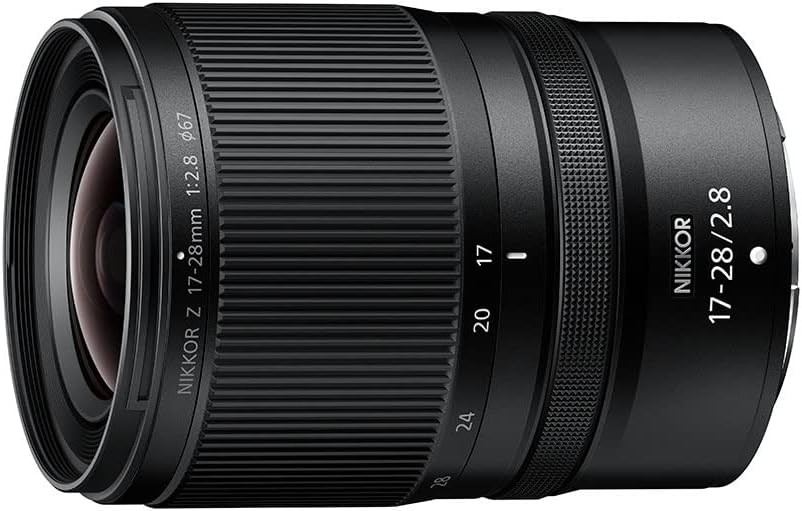
Primarily designed for Nikon’s Z-mount mirrorless cameras, the NIKKOR Z 17-28mm f/2.8 is a wide-angle zoom lens offering a constant aperture of f/2.8. It is tailored for photographers who require both performance and portability, making it a popular choice for landscape, architecture, and travel photography. However, its potential applications in bird photography have also garnered attention, especially for those who enjoy capturing birds in their natural habitats, including expansive landscapes or close-up shots in aviaries.
Positive Aspects for Bird Enthusiasts
-
Wide-Angle Versatility: While bird photography often relies on telephoto lenses to capture distant subjects, there are scenarios where a wide-angle lens like the 17-28mm is invaluable. Bird enthusiasts who enjoy capturing birds within their environmental context, emphasizing the beauty of both the avian subject and its surroundings, will find this lens particularly useful. The wide field of view allows photographers to include more of the habitat in the frame, providing a comprehensive story through their images.
-
Bright Aperture: The constant f/2.8 aperture is a significant advantage, especially in low-light situations such as dawn or dusk when birds are most active. This feature ensures that photographers can maintain faster shutter speeds to freeze motion, crucial when photographing fast-moving subjects like birds. Additionally, the bright aperture facilitates a shallower depth of field, allowing for beautiful background bokeh that can make the subject stand out.
-
Compact and Lightweight Design: For bird enthusiasts who often trek through various terrains to find the perfect spot, the lightweight design of the NIKKOR Z 17-28mm f/2.8 is a boon. Weighing approximately 450 grams, it is easy to carry along with other equipment, reducing fatigue during long excursions. Its compact size also means it takes up less space in the camera bag, allowing room for additional gear or essentials.
-
Superior Optical Performance: The lens features advanced optics, including aspherical and extra-low dispersion elements, which work together to minimize aberrations and distortions. This results in crisp, high-quality images with accurate color reproduction—essential for bird photography, where capturing the intricate details and vibrant colors of feathers is crucial.
Negative Aspects for Bird Enthusiasts
-
Limited Telephoto Reach: The most significant drawback for bird photographers is the limited focal length of 17-28mm. This wide-angle zoom is not designed for capturing distant birds in detail, which is often necessary in bird photography. Enthusiasts looking to photograph small or faraway birds will need to consider additional telephoto lenses to complement their setup.
-
Limited Use for Isolated Subjects: While the lens excels in capturing birds within their natural environment, it falls short when the goal is to isolate the subject from the background. For bird enthusiasts who prefer tight, close-up compositions, the 17-28mm may not deliver the desired results without significant cropping, which can lead to a loss in image quality.
-
Potential for Distortion: Although the lens boasts advanced optical elements, wide-angle lenses are inherently prone to some distortion, especially at the edges of the frame. Bird photographers aiming for precision might find this an issue, particularly when capturing linear elements like tree branches or when photographing birds in flight across the frame.
Conclusion
For bird enthusiasts, the Nikon NIKKOR Z 17-28mm f/2.8 lens offers both opportunities and challenges. Its wide-angle versatility and bright aperture enable photographers to capture birds in their natural habitats with stunning clarity and context. However, the limited telephoto reach and potential for distortion require consideration and may necessitate the use of additional lenses to fulfill all photographic needs.
Ultimately, the decision to incorporate this lens into a bird photography kit depends on individual preferences and shooting styles. For those who relish capturing expansive landscapes and environmental portraits of birds, it can be a valuable addition. Yet, for those focused on getting up close with their avian subjects, exploring complementary lenses with longer focal lengths is advisable.
Whether you are a seasoned bird photographer or an enthusiastic beginner, understanding the strengths and limitations of your equipment is key to capturing the beauty and behavior of birds in their natural splendor. The Nikon NIKKOR Z 17-28mm f/2.8 lens, with its unique features and capabilities, certainly has a place in the world of bird photography.
Related posts