The Orange-fronted Fruit Dove: A Jewel of the Australasian Avifauna
The Orange-fronted Fruit Dove, scientifically known as Ptilinopus aurantiifrons, is a striking bird species that exemplifies the vibrant avian diversity of the Australasian region. This article delves into the unique characteristics, habitat, behavior, and conservation status of this remarkable dove, highlighting its importance within the ecosystem.
Characteristics and Identification
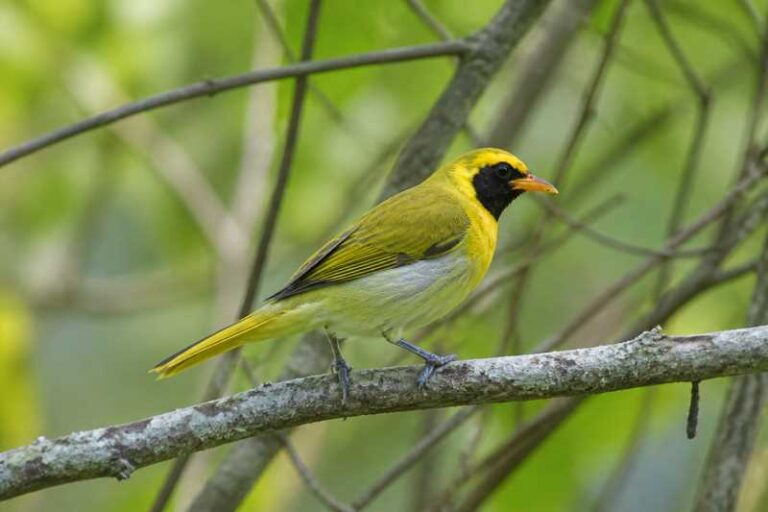
The Orange-fronted Fruit Dove is a small to medium-sized bird, measuring approximately 20-24 centimeters in length. It is best recognized for its vivid plumage, which makes it a standout species among the frugivorous birds of its habitat. The male boasts a distinctive orange forehead and crown, a feature from which the species derives its common name. The body is predominantly green, providing excellent camouflage against the foliage, with a paler, whitish underbelly. Females, while similar in shape, exhibit a more subdued coloration, lacking the bright orange head markings, which helps in nesting camouflage.
The intricate coloration of the Orange-fronted Fruit Dove serves not only as a visual delight but also plays a crucial role in mating displays and territorial defense. The species exhibits sexual dimorphism, with males utilizing their colorful plumage to attract females during courtship rituals.
Habitat and Distribution
Endemic to the lowland rainforests of New Guinea and surrounding islands, the Orange-fronted Fruit Dove is primarily found in subtropical or tropical moist lowland forests. These birds are adapted to reside in dense forest canopies, where they forage for their primary diet of fruits and berries. Their preferred habitat is characterized by a rich diversity of fruit-bearing trees, which are integral to their survival.
The distribution of Ptilinopus aurantiifrons is largely confined to regions with abundant fruit availability, as these doves are highly dependent on a fruit-rich diet. Consequently, their presence serves as an indicator of healthy, biodiverse forest ecosystems.
Behavior and Ecology
The Orange-fronted Fruit Dove is a frugivorous species, relying almost exclusively on fruits for sustenance. They play a vital ecological role as seed dispersers, aiding in the regeneration of their forest habitats. By consuming fruits and subsequently excreting the seeds at different locations, these doves contribute to the maintenance and spread of plant diversity within their ecosystem.
These doves are typically solitary or found in pairs, although they may form small flocks during feeding. Their flight is rapid and direct, which is typical of pigeons and doves, allowing them to traverse forest canopies efficiently in search of food.
Vocalizations of the Orange-fronted Fruit Dove are relatively soft and consist of a series of cooing notes. These calls are used to communicate with potential mates and to establish territory within the dense forest.
Conservation Status and Threats
Currently, the Orange-fronted Fruit Dove is listed as a species of Least Concern on the IUCN Red List. However, like many forest-dependent species, it faces potential threats primarily due to habitat loss and degradation. The expansion of agriculture, logging, and human settlement in New Guinea and surrounding areas poses significant challenges to the preservation of their natural habitats.
Conservation efforts are essential to ensure the long-term survival of the Orange-fronted Fruit Dove. Protecting large tracts of rainforest and promoting sustainable land-use practices are critical strategies for safeguarding their habitat. Additionally, raising awareness about the ecological importance of frugivorous birds can foster greater appreciation and support for conservation initiatives.
Conclusion
The Orange-fronted Fruit Dove is not only a testament to the dazzling beauty of nature but also a crucial component of its ecological balance. Its role as a seed disperser underscores the interconnectedness of avian and plant life within the rainforest ecosystem. By understanding and preserving the habitats of such species, we contribute to the broader effort of maintaining biodiversity and ecological health.
In conclusion, the Orange-fronted Fruit Dove is a symbol of the rich avian diversity that characterizes the Australasian region. Conservation measures that prioritize habitat preservation and sustainable resource management are vital to ensuring that this species continues to thrive in its natural environment, delighting future generations with its vivid plumage and ecological significance.
Related posts