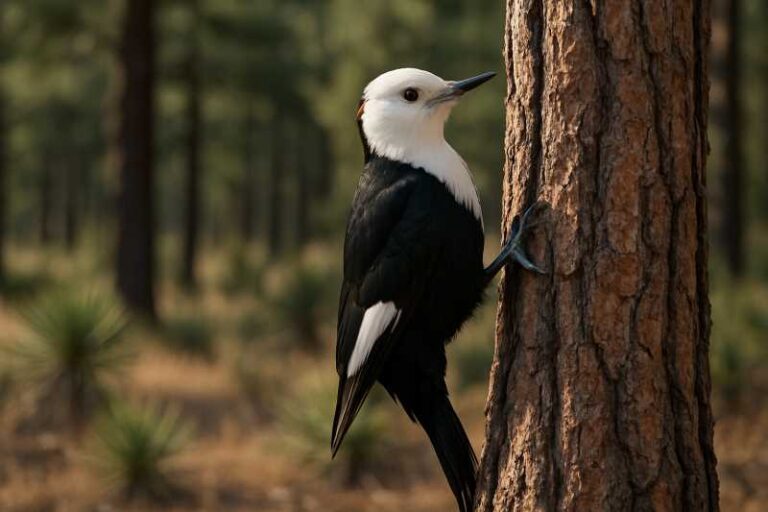
The American Pygmy Kingfisher: A Jewel of the Tropics
Nestled within the vibrant tapestries of Central and South American forests, the American Pygmy Kingfisher (Chloroceryle aenea) is a captivating avian species that enchants birdwatchers and ornithologists alike with its striking appearance and fascinating behaviors. Despite its diminutive size, this bird is a formidable presence in its natural habitat, showcasing the diverse and intricate ecosystem of the New World tropics.
Physical Description
The American Pygmy Kingfisher is a small bird, measuring approximately 13 centimeters (5 inches) in length. Despite its small stature, it boasts a vivid plumage that rivals the most colorful of tropical birds. The dorsal side of the bird displays a shimmering green hue, while its underparts are a vibrant orange, contrasting sharply with its white throat and collar. The bird’s wings and tail are adorned with a combination of green and blue, adding to its iridescent charm. Its bill is long, straight, and black, perfectly adapted for its piscivorous diet.
Habitat and Distribution
This kingfisher species is predominantly found in the lowland forests and mangrove swamps of Central and South America, from southern Mexico to Argentina. Its preference for dense, humid environments ensures it remains elusive and difficult to spot, often residing near water bodies like rivers, streams, and estuaries. The American Pygmy Kingfisher thrives in these lush, verdant settings, which provide ample hunting grounds and nesting sites.
Behavior and Diet
The American Pygmy Kingfisher is primarily piscivorous, preying on small fish and aquatic insects. Its hunting technique involves perching silently on a low branch overhanging water, patiently waiting before plunging headfirst to snatch its prey with swift precision. This method of hunting not only requires skill but also reflects the bird’s keen eyesight and agile flight capabilities.
In addition to its piscivorous diet, the kingfisher occasionally consumes small amphibians and crustaceans, showcasing its adaptability and resourcefulness in the wild. This varied diet is crucial for survival, particularly during periods when fish are less abundant.
Breeding and Nesting
The breeding season for the American Pygmy Kingfisher typically occurs during the rainy months, when food is plentiful, and the environment is most conducive to rearing young. The species is known for its unique nesting habits, with pairs excavating burrows in embankments or riverbanks. These nests are typically about 30 to 50 centimeters (12 to 20 inches) deep, providing a secure environment for laying and incubating eggs.
A typical clutch consists of 3 to 5 white eggs, which both parents take turns incubating. After hatching, the chicks are altricial, meaning they are born blind and featherless, entirely dependent on their parents for warmth and nourishment. The young fledge after approximately three weeks, but they continue to rely on their parents for food and protection until they are fully capable of independent survival.
Conservation Status
Currently, the American Pygmy Kingfisher is classified as a species of Least Concern by the International Union for Conservation of Nature (IUCN). Despite this classification, the kingfisher faces threats from habitat destruction, particularly deforestation and pollution in its native regions. Conservation efforts aimed at preserving tropical forests and maintaining clean waterways are critical for ensuring the continued survival of this and other dependent species.
The Role in Ecosystem and Human Culture
In its ecosystem, the American Pygmy Kingfisher plays a crucial role as both predator and prey, contributing to the balance of aquatic and terrestrial food webs. Its presence indicates healthy, unpolluted water systems, making it a valuable bioindicator for environmental researchers.
Beyond its ecological significance, the American Pygmy Kingfisher holds cultural value for indigenous communities, often featured in folklore and traditional art forms. Its vivid plumage and secretive nature inspire stories and myths, reinforcing the bird’s status as a symbol of beauty and mystery within its native range.
Conclusion
The American Pygmy Kingfisher is a remarkable example of the richness and diversity found in tropical ecosystems. Its vibrant colors, specialized behaviors, and ecological significance make it a subject of fascination and admiration. As we continue to explore and understand the complexities of these environments, the preservation of species like the American Pygmy Kingfisher becomes increasingly vital, not only for their intrinsic value but also for the health of our planet’s biodiversity. The ongoing efforts to protect these habitats ensure that future generations will have the opportunity to witness such avian wonders in the wild.
Related posts