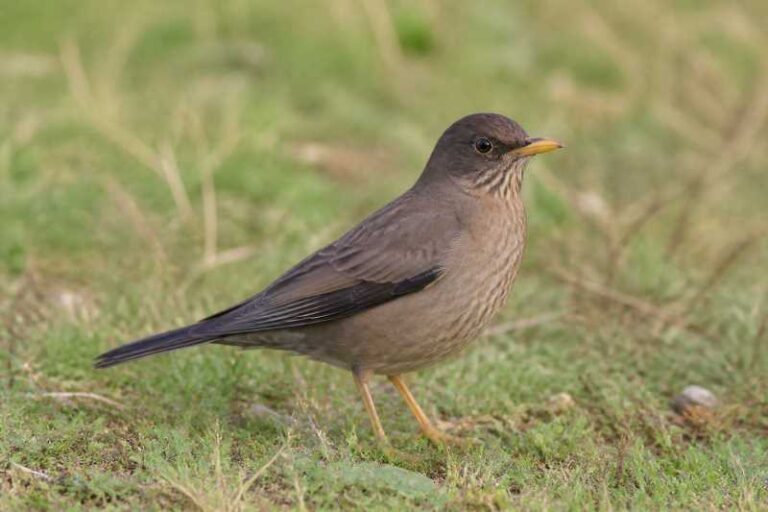
The Canyon Wren: Nature’s Melodious Architect
The Canyon Wren (Catherpes mexicanus) is a small bird with a large reputation, celebrated for its hauntingly beautiful song that echoes through the rocky canyons of North America. This avian species is a member of the Troglodytidae family, which includes various other wren species. Despite its small size, the Canyon Wren is a master of its rugged habitat, exhibiting remarkable adaptations and behaviors that make it a subject of fascination for ornithologists and bird enthusiasts alike.
Habitat and Distribution
The Canyon Wren is predominantly found in the arid regions of the western United States, extending into parts of Canada and Mexico. This bird has a strong preference for rocky terrains, such as canyons, cliffs, and boulder-strewn hillsides. The choice of such habitats is no coincidence; the rugged landscape provides numerous crevices and ledges that serve as ideal nesting sites and protection from predators.
Adaptability is a hallmark of the Canyon Wren. Unlike many other bird species that require lush vegetation or water-rich environments, the Canyon Wren thrives in dry, rocky areas. Its presence is often detected by its distinctive song, a series of cascading notes that reverberate off canyon walls, creating a natural amphitheater effect. This song serves not only as a territorial marker but also as a means of communication between mates and a mechanism to ward off intruders.
Physical Characteristics
The Canyon Wren is a small bird, measuring about 5.5 inches in length, with a wingspan of approximately 8 inches. Its plumage is a blend of rusty browns and grays, providing excellent camouflage against the rocky backgrounds of its habitat. The bird has a distinctive white throat and a long, slender bill that aids in foraging for insects and spiders within rock crevices.
One of the most notable physical features of the Canyon Wren is its long, slender, and slightly curved bill. This specialized adaptation allows the bird to probe deep into crevices and cracks in search of food. The bird’s tail is relatively short and often held upright, a characteristic posture among wrens.
Behavior and Breeding
Canyon Wrens are solitary birds outside of the breeding season, which typically begins in early spring. During this period, males are particularly vocal, using their melodious calls to attract females and establish territories. Once a pair has formed, they engage in cooperative nest building, selecting secluded ledges or crevices in cliffs where they construct their nests. The nests are cup-shaped structures crafted from twigs, grass, and feathers, providing a safe environment for their young.
Females typically lay between 4 to 6 eggs, which are incubated for about 16 to 18 days. Both parents take part in feeding and nurturing the fledglings, which leave the nest approximately two weeks after hatching. Despite the challenges posed by their harsh habitat, Canyon Wrens exhibit a relatively high success rate in raising their young, thanks in part to the protection offered by their choice of nesting sites.
Conservation Status and Challenges
Currently, the Canyon Wren is not considered to be at risk, with stable populations observed across its range. However, like many wildlife species, it faces potential threats from habitat destruction and climate change. The expansion of human activities into previously undisturbed areas can lead to loss of suitable nesting sites and increased predation risks.
Conservation efforts aimed at preserving natural landscapes and minimizing human encroachment are vital to ensure the continued survival of this remarkable species. Educating the public about the importance of these ecosystems can also play a crucial role in fostering appreciation and support for conservation initiatives.
Conclusion
The Canyon Wren is a testament to the beauty and resilience of nature, thriving in environments that many would consider inhospitable. Its melodious song and unique adaptations make it a beloved subject of study and admiration. As we continue to explore and understand the complexities of our natural world, the Canyon Wren serves as a reminder of the delicate balance that exists within ecosystems and the importance of preserving them for future generations.
Related posts