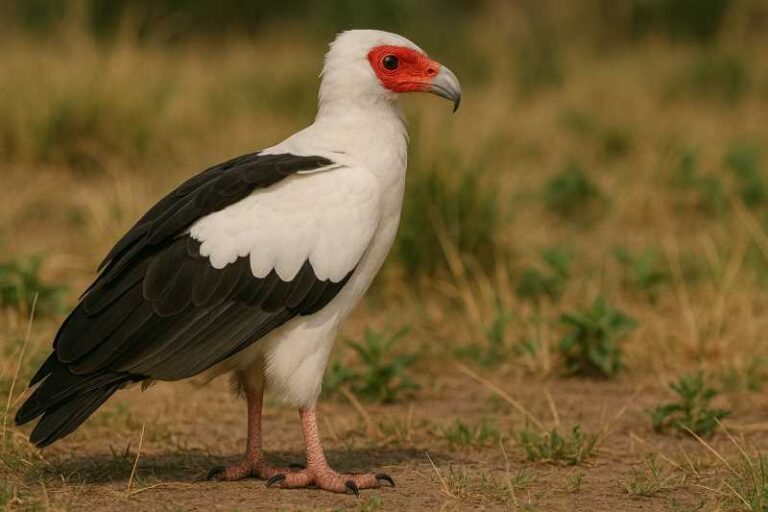
Short-tailed Hawk: A Master of Adaptability in the Sky
The Short-tailed Hawk (Buteo brachyurus) is a fascinating bird of prey, noted for its adaptability and distinctive hunting strategies. Native to the Americas, this raptor is primarily found in the southern parts of the United States, Central America, and throughout much of South America. Despite its somewhat inconspicuous presence, the Short-tailed Hawk plays a vital role in maintaining ecological balance by controlling the populations of its prey.
Physical Characteristics and Identification
The Short-tailed Hawk is a medium-sized raptor, measuring approximately 15 to 17 inches in length with a wingspan of about 35 to 40 inches. The species is known for its dimorphism in plumage coloration, which occurs in two morphs: light and dark. The light morph exhibits a striking contrast between its white underparts and dark upperparts, while the dark morph is predominantly brownish-black across its body. Both morphs have distinctive broad, rounded wings and a short tail, which is where the hawk gets its name.
Habitat and Distribution
This bird of prey is highly adaptable, inhabiting a variety of ecosystems ranging from tropical and subtropical forests to open savannas and mountainous regions. In the United States, the Short-tailed Hawk is primarily found in Florida, where it occupies a range of habitats including cypress swamps and pine flatwoods. In Central and South America, it is more widespread, thriving in diverse environments from coastal lowlands to highland forests.
The Short-tailed Hawk is a partial migrant, with northern populations moving southward during the winter months. This adaptability to different environments and climates is a key factor in its survival and ability to thrive across a broad geographic range.
Behavior and Hunting Techniques
The Short-tailed Hawk is a masterful hunter, employing a variety of techniques to capture its prey. It predominantly feeds on small to medium-sized birds, which it captures in mid-air using its exceptional agility and speed. This hawk is known for its unique hunting strategy known as "kiting," where it hovers in the air using the wind currents to stay aloft while scanning the ground for potential prey.
When it spots a target, the Short-tailed Hawk will perform a swift and precise dive, often catching its prey by surprise. It is also known to hunt from a perch, surveying the area before launching a sudden attack. This versatility in hunting methods allows the Short-tailed Hawk to exploit various prey types and adapt to different hunting conditions.
Conservation Status and Threats
The Short-tailed Hawk is currently listed as a species of "Least Concern" by the International Union for Conservation of Nature (IUCN). This status is due to its wide range and relatively stable population numbers. However, like many raptors, this species faces threats from habitat destruction, environmental pollution, and human disturbance.
In particular, deforestation and the conversion of natural landscapes for agriculture and urban development pose significant risks to the habitats that Short-tailed Hawks rely on. Conservation efforts are essential to ensure the preservation of these habitats, which support not only the Short-tailed Hawk but countless other species.
Conclusion
The Short-tailed Hawk is a remarkable raptor, exemplifying adaptability and prowess in the avian world. Its ability to thrive in diverse environments and employ versatile hunting strategies highlights the intricate balance of nature and the importance of preserving the habitats that sustain such species. As we continue to face environmental challenges, understanding and protecting the ecological roles of birds like the Short-tailed Hawk remain crucial to maintaining biodiversity and ecological health.
By appreciating and protecting these magnificent birds, we can ensure that future generations will also have the opportunity to witness the grace and skill of the Short-tailed Hawk in flight.
Related posts