The Vibrant World of the Scarlet Macaw: A Jewel of the Rainforest
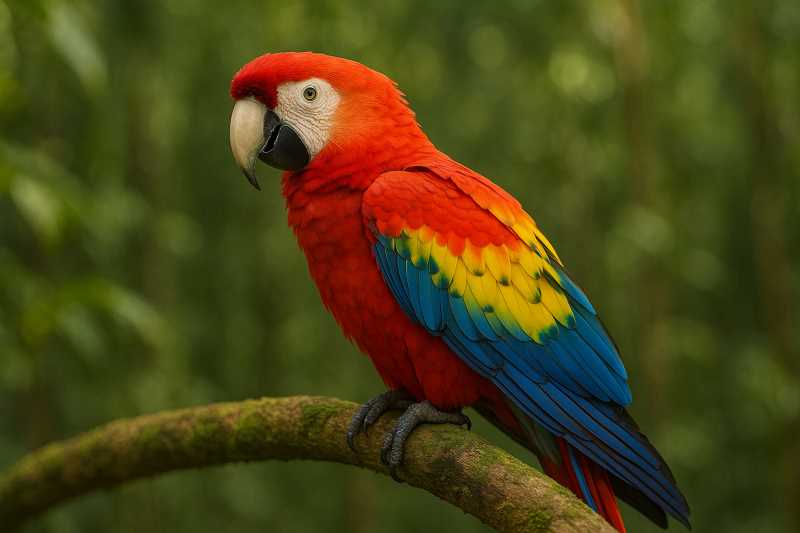
The Scarlet Macaw (Ara macao) is one of the most iconic and recognizable birds in the world, celebrated for its vibrant plumage and dynamic presence in the rainforests of Central and South America. Known for their striking red, yellow, and blue feathers, these magnificent creatures not only captivate bird enthusiasts but also play a crucial role in the ecosystems they inhabit.
Habitat and Distribution
Scarlet Macaws are predominantly found in the humid lowland rainforests of Central and South America, from Mexico to Brazil. They thrive in a variety of habitats, including tropical rainforests, savannas, and open woodlands. These birds are highly adaptable, but they prefer areas close to rivers and other water sources, which are rich in the fruits, nuts, and seeds that make up their diet.
The presence of Scarlet Macaws in a region often indicates a healthy, biodiverse ecosystem. As seed dispersers, they contribute significantly to the regeneration of forested areas, helping to maintain the ecological balance of their habitats.
Physical Characteristics and Behavior
Scarlet Macaws are renowned for their vivid plumage, which is a brilliant combination of red, yellow, and blue. This coloration not only makes them visually stunning but also serves as an effective form of camouflage among the bright flowers and fruits of the rainforest canopy. Adult Scarlet Macaws typically measure about 32 inches in length, with a wingspan of up to 42 inches, making them one of the largest members of the parrot family.
These birds are highly social and intelligent, often forming strong pair bonds that can last for life. Scarlet Macaws communicate through a range of vocalizations, including screeches and squawks that can be heard over long distances. Their vocal abilities are matched by their dexterity, as they use their powerful beaks and agile feet to manipulate food and interact with their environment.
Conservation Status and Threats
Despite their widespread appeal, Scarlet Macaws face several threats that have led to a decline in their populations. Habitat destruction due to deforestation and land conversion for agriculture is the most significant threat, reducing the availability of nesting sites and food sources. Additionally, the illegal pet trade has historically targeted Scarlet Macaws for their beauty and intelligence, further impacting wild populations.
Conservation efforts are underway to protect these majestic birds, including habitat restoration projects, legal protection, and the establishment of protected areas. Organizations and governments are also working to combat illegal trade through stricter enforcement and awareness campaigns.
The Role of Scarlet Macaws in Culture
Throughout history, Scarlet Macaws have held cultural significance for many indigenous communities in Central and South America. They are often featured in art, folklore, and rituals, symbolizing beauty, freedom, and the vibrant spirit of the rainforest. Today, they continue to captivate the imagination of people worldwide, serving as ambassadors for the conservation of tropical ecosystems.
Conclusion
The Scarlet Macaw stands as a testament to the beauty and diversity of the natural world. While they face challenges that threaten their survival, the ongoing efforts to preserve their habitats and educate the public about their importance offer hope for their future. By protecting Scarlet Macaws, we also safeguard the rich biodiversity of the rainforests they call home, ensuring that these vibrant jewels of the canopy continue to inspire generations to come.
Related posts