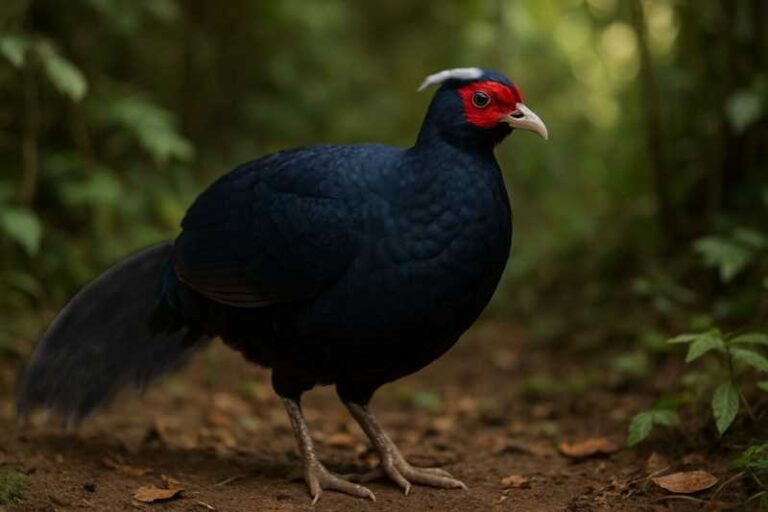
The Snow Goose, scientifically known as Anser caerulescens, is a remarkable species that captivates bird enthusiasts and ornithologists alike. Renowned for its striking white plumage and contrasting black wingtips, the Snow Goose is a true spectacle during its migratory journeys across North America. This article delves into the intriguing characteristics, habitats, migration patterns, and conservation status of this magnificent bird.
Snow Geese are medium to large-sized waterfowl, with adults weighing between 2.5 to 3.5 kilograms and measuring roughly 64 to 79 centimeters in length. They exhibit two distinct color morphs: the all-white Snow Goose and the rarer Blue Goose, which features a bluish-gray body with a white head. This color variation once led scientists to believe they were separate species until genetic studies confirmed their conspecificity.
The primary breeding grounds of the Snow Goose are located in the Arctic and sub-Arctic regions of North America, particularly in Canada, Alaska, and Greenland. These areas provide the ideal environment for nesting, with abundant food supply and limited predation. Snow Geese are monogamous, typically forming lifelong pair bonds. They nest in colonies, which can number in the thousands, and their nests are simple scrapes on the ground lined with plant material and down.
Migration is one of the most fascinating aspects of the Snow Goose’s life cycle. Each year, they undertake long journeys, traveling thousands of kilometers from their breeding grounds to their wintering habitats in the southern United States and northern Mexico. This migration is not only a test of endurance but also a coordinated social event. Snow Geese fly in large flocks, often forming V-shaped formations that optimize energy use by reducing air resistance.
During migration and wintering, Snow Geese primarily feed on vegetation, including grasses, sedges, and grains. This diet is supplemented by invertebrates and other small aquatic organisms. Their foraging behavior can have significant impacts on agricultural areas, sometimes leading to conflicts with farmers. However, their role in the ecosystem is vital, as they contribute to seed dispersal and the cycling of nutrients.
The conservation status of the Snow Goose is currently of least concern, thanks to successful management practices and hunting regulations that have helped maintain stable population numbers. Nevertheless, they face threats from habitat loss, climate change, and human disturbances. The expansion of agricultural lands and urban development encroaches on their natural habitats, while climate change affects the availability of food and nesting sites in the Arctic.
Conservation efforts focus on habitat protection, research, and monitoring to ensure the long-term survival of Snow Geese populations. Organizations and governments collaborate to secure critical breeding and wintering areas, conduct population surveys, and implement sustainable hunting regulations. Public education and awareness campaigns also play a crucial role in fostering appreciation and understanding of these birds and their ecological significance.
In conclusion, the Snow Goose is a testament to the beauty and complexity of avian life. Its striking appearance, remarkable migratory behavior, and adaptability to changing environments make it a subject of fascination and admiration. As we continue to study and protect these birds, we gain insights into the broader challenges facing migratory species and the ecosystems they inhabit. By appreciating and conserving Snow Geese, we contribute to the preservation of biodiversity and the health of our planet.
Related posts