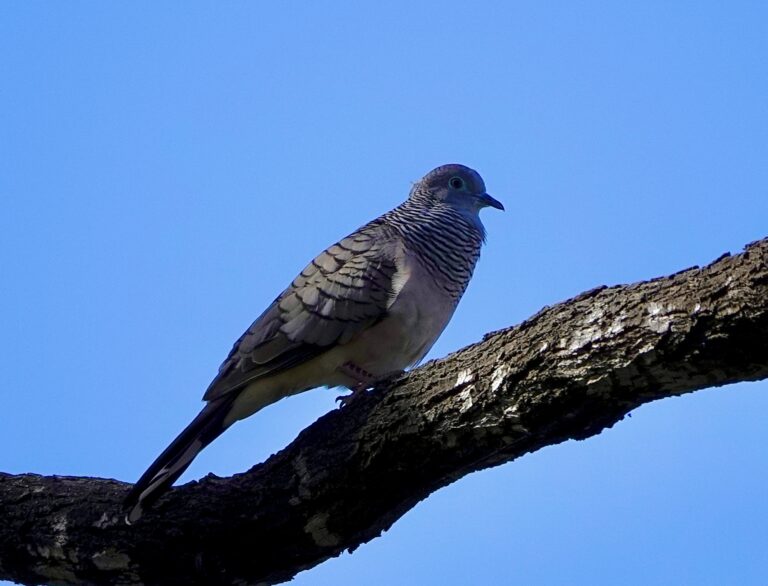
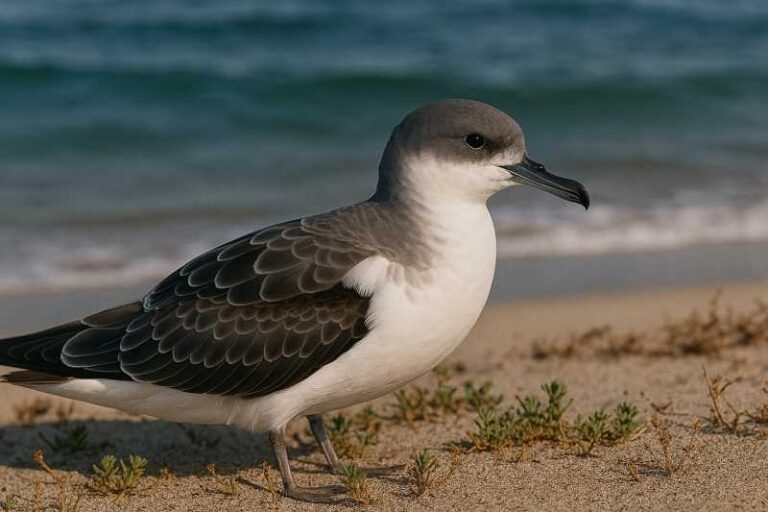
The Western Bowerbird is one of Australia’s most fascinating avian architects, known not just for its distinctive plumage and secretive nature but also for its intricate courtship behavior. This elusive species, found in isolated pockets of arid central and western Australia, is a master of deception and display, building elaborate structures known as bowers to attract mates. Often overshadowed by its more flamboyant relatives like the Satin or Regent Bowerbirds, the Western Bowerbird is a subtle marvel of the outback.
Identification
The Western Bowerbird is a medium-sized passerine measuring around 24–28 cm in length. It is characterized by its mottled plumage of browns, creams, and black, providing excellent camouflage in the arid rocky habitats it prefers. Males and females appear similar at a glance, but males sport a stunning pink to lilac nuchal crest—raised during displays—which contrasts with their otherwise cryptic appearance.
The bird has a short, slightly decurved bill and a long tail, with pale spotting on the upperparts and barring on the underparts. Its eye is bright and alert, often helping distinguish it from similar-looking birds in the region.
Habitat and Distribution
The Western Bowerbird is restricted to central Australia, occurring in disjunct populations in parts of Western Australia, the Northern Territory, and far northwestern South Australia. Key regions include the MacDonnell Ranges near Alice Springs and the Pilbara region.
This species favors rocky hillsides, gorges, and outcrops where fig trees and other fruiting vegetation are present. These arid environments provide the necessary shelter and resources for the bowerbird’s survival, especially in areas with a mix of native shrubland and scattered trees.
Behavior
The most remarkable aspect of the Western Bowerbird is its courtship behavior. Males construct and maintain bowers—avenue-style structures made of twigs arranged in parallel walls on the ground. These bowers are not nests but courtship arenas. The male decorates the area with shiny or colorful objects such as green fruits, bones, flowers, and even human-made items like glass or plastic.
Once complete, the male performs elaborate dances and vocal mimicry to lure females. These displays include fluttering movements, crest raising, and a series of churring, squawking, and imitated calls. Each male defends his bower vigorously against rivals and spends much of the breeding season refining and showcasing his creation.
Diet
Western Bowerbirds are primarily frugivorous, feeding on native fruits such as bush tomatoes and figs. They also consume insects, especially during the breeding season when protein demand is higher. Their diet is opportunistic and varies with seasonal availability, occasionally incorporating nectar or small invertebrates found within their range.
They often forage solitarily or in pairs, occasionally joining mixed-species flocks, particularly around fruiting trees.
Breeding
Breeding usually occurs from August to January, aligning with warmer months and increased food availability. After successful courtship at the bower, the female departs to build the nest and raise the chicks alone. The nest is typically a cup-shaped structure made of twigs and placed in a shrub or low tree.
Clutch size is generally two eggs, with incubation lasting around 20 days. The chicks fledge approximately 3 weeks after hatching. Males do not contribute to nesting duties but continue to maintain their bowers for potential future mates.
Conservation Status
The Western Bowerbird is currently classified as Least Concern by the IUCN due to its reasonably stable population and broad, albeit fragmented, range. However, it faces several ongoing threats. Habitat degradation due to grazing, fire mismanagement, and land development pose risks, particularly in areas where fig trees and other key resources are declining.
Climate change may also impact food availability and breeding success in the future. While the species is not immediately endangered, continued monitoring of its habitat and population dynamics is essential to ensure its long-term survival.
Conservation efforts should focus on preserving key habitats, controlling invasive species, and protecting nesting and bower-building sites from human disturbance.
Related posts