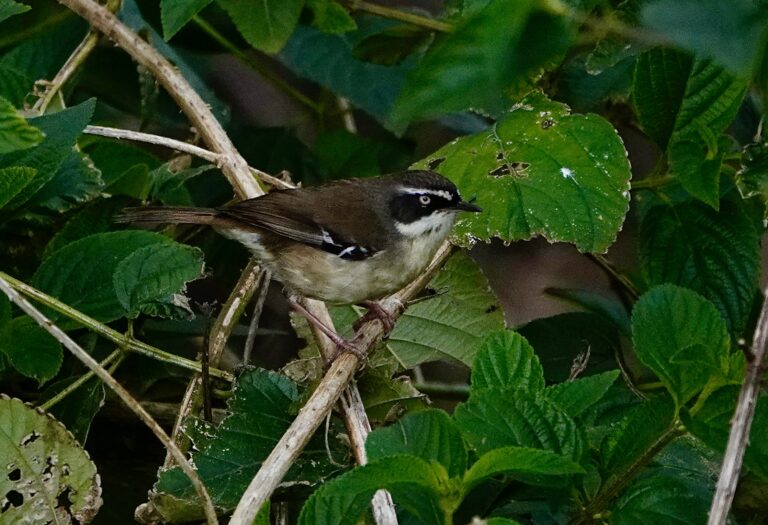
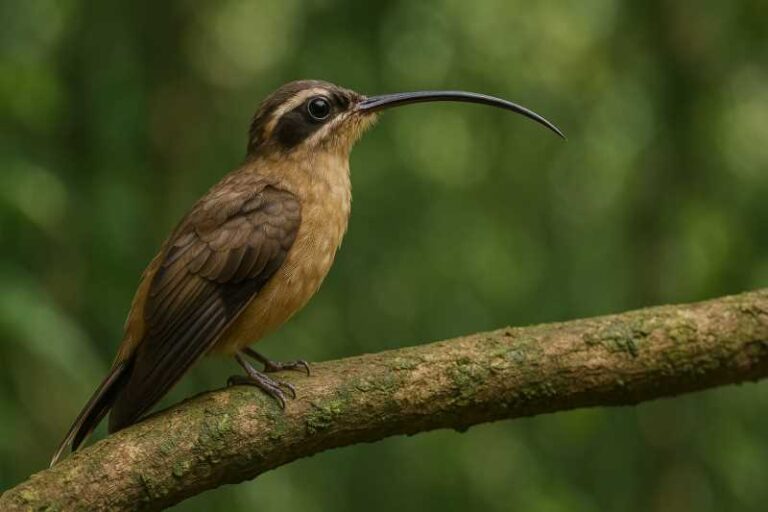
The Pied Honeyeater (Certhionyx variegatus) is one of the more elusive and striking birds found in Australia’s dry inland regions. With its striking black-and-white plumage and nectar-feeding habits, this nomadic honeyeater is both a visual delight and a fascinating subject of study for birdwatchers and ecologists alike. Although not as commonly seen as many coastal species, the Pied Honeyeater plays an important role in Australia’s arid ecosystems, moving across vast distances in search of flowering shrubs and trees.
Physical Description
Adult Pied Honeyeaters are medium-sized honeyeaters, measuring around 16–18 cm in length. Males are especially distinctive, with a glossy black body with a white chest and belly, the back is contrasted by white patches on the wings and tail, and a small crescent of whitish blue below the eye. The females and immature birds are more subdued in coloration, appearing brownish-grey with paler undersides, making them harder to detect against the arid landscape.
One of the defining features of this species is its slender, downcurved bill, perfectly adapted for probing deep into flowers for nectar. This curved bill, combined with a brush-tipped tongue, makes it an efficient pollinator of many desert plants. While primarily a nectarivore, the Pied Honeyeater also supplements its diet with insects and occasionally fruit, especially when nectar is scarce.
Distribution and Habitat
The Pied Honeyeater is a true nomad of the Australian outback. Its range spans across the arid and semi-arid interior of the continent, including parts of Western Australia, South Australia, Queensland, and New South Wales. Rather than staying in fixed territories, these birds move extensively in response to the flowering patterns of native shrubs and trees such as Eremophila, Grevillea, and Hakea species.
Preferred habitats include mulga woodlands, saltbush plains, sand dunes, and gibber deserts—landscapes that may appear barren to the untrained eye, but which support a rich and specialized biodiversity.
The honeyeater’s movements are highly irregular and poorly understood, driven primarily by rainfall and its influence on flowering cycles. In years of good rain, large irruptions of Pied Honeyeaters may occur in areas where they are otherwise rarely seen.
Behaviour and Breeding
Pied Honeyeaters are generally solitary or seen in small flocks, especially when congregating at a good flowering source. Their flight is fast and direct, often covering long distances in search of food. They are quiet birds for most of the year, but males may produce soft, warbling calls during the breeding season.
Breeding typically occurs from July to December, but the timing is opportunistic and depends heavily on local conditions. The female builds a small, cup-shaped nest using grass, bark, and spiderwebs, often well-concealed in shrubs. She lays 2–3 eggs and is primarily responsible for incubation, though the male may assist with feeding once the chicks hatch.
Because of the species’ nomadic nature, breeding is often sporadic and localized, which can make monitoring populations a challenge.
Conservation Status
Currently, the Pied Honeyeater is listed as Least Concern by the IUCN, and not considered threatened on most Australian conservation listings. However, habitat loss due to land clearing, overgrazing, and climate change poses increasing risks, particularly as flowering patterns shift or fail due to drought.
As an obligate nectar feeder, the species is highly dependent on the availability of flowering plants. When these resources fail, it may lead to local population crashes. Conservation of native vegetation and the restoration of degraded arid habitats are key to ensuring the long-term survival of the species.
Birdwatching Tips
Spotting a Pied Honeyeater can be a rewarding experience for birdwatchers, especially in regions where flowering shrubs are abundant after seasonal rains. Look for them around Eremophila blooms in the outback during spring and summer. A good pair of binoculars and patience are essential, as these birds can be surprisingly shy and fast-moving.
Photographers should be prepared for sudden appearances and brief perching moments. Because they often forage high in shrubs or trees, it’s best to approach quietly and use natural cover when observing them.
A Vital Pollinator in a Harsh Land
Despite its remote habitat and fleeting appearances, the Pied Honeyeater serves as a reminder of the resilience and complexity of Australia’s arid zone. As a pollinator, it contributes to the health of desert plant communities. For researchers and bird enthusiasts, it continues to be a symbol of the wild unpredictability of inland Australia.
Protecting species like the Pied Honeyeater means preserving not just a bird, but an entire ecosystem that relies on rain, resilience, and the delicate balance between flora and fauna.
Related posts