Introduction
The Nearctic Collared Lemming, scientifically known as Dicrostonyx groenlandicus, is a small, herbivorous mammal native to the Arctic regions of North America. Known for its distinctive seasonal coat changes and burrowing behavior, this species plays a crucial role in the Arctic ecosystem. Lemmings are often associated with population cycles that dramatically affect the food web, impacting both predator and plant communities.
The Nearctic Collared Lemming is particularly interesting due to its adaptations to extreme cold environments and its ability to thrive in the harsh Arctic climates. Despite its small size, this lemming has a significant impact on its ecosystem, serving as a primary food source for many Arctic predators.
Physical Description
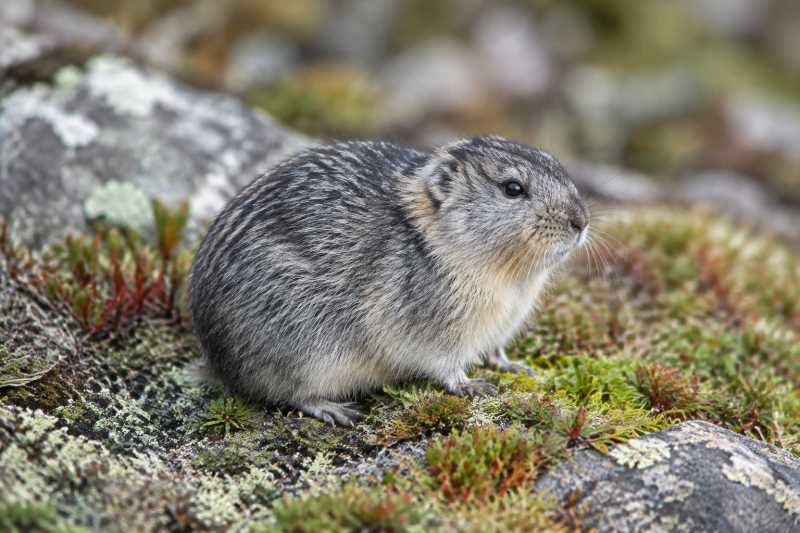
The Nearctic Collared Lemming is a small rodent, typically measuring between 12 to 15 cm in length, with a short tail adding an additional 1.5 cm. Adult lemmings weigh about 40 to 112 grams. One of the most distinctive features of the collared lemming is its seasonal coat color change. During the summer months, its fur is predominantly greyish-brown, providing camouflage against the tundra landscape. In winter, the fur turns white, blending perfectly with the snow-covered terrain.
Another notable physical characteristic is the presence of a dark stripe, or "collar," around the neck area, which is more pronounced in the summer phase. Their fur is dense and soft, offering insulation against the freezing temperatures. The lemming’s body is compact with short limbs and a rounded appearance, adaptations that minimize heat loss.
Range and Habitat
The Nearctic Collared Lemming is found across the Arctic and Subarctic regions of North America, including Alaska, Northern Canada, and Greenland. They inhabit tundra ecosystems, preferring areas with dense vegetation where they can find shelter and food. The tundra is characterized by its cold climate, permafrost, and limited vegetation, including grasses, mosses, and lichens, which form the primary diet of the lemming.
These lemmings are highly adapted to life in the tundra, capable of digging extensive burrow systems beneath the snow. These burrows provide protection from predators and extreme weather conditions. During the summer, they may also make use of rock crevices and dense vegetation for cover.
Behavior and Diet
Nearctic Collared Lemmings are primarily nocturnal, though they can be active at any time of day. They are solitary creatures outside the breeding season, which occurs in the warmer months when food is more abundant. During the breeding season, lemmings become more social, often forming small colonies.
Their diet consists mainly of grasses, sedges, and other tundra vegetation. In winter, when vegetation is scarce, they rely on stored food and may dig through the snow to reach buried plants. The lemming’s incisors grow continuously, adapting them to gnaw through tough plant material.
Predation is a significant threat to lemmings, with predators including Arctic foxes, owls, and other birds of prey. The population size of Nearctic Collared Lemmings can fluctuate dramatically, with cycles of high and low numbers occurring every 3 to 4 years.
Identification Tips (Field Recognition Cues)
Identifying the Nearctic Collared Lemming in the wild can be a challenge due to its small size and elusive nature. However, several characteristics can aid in its identification:
- Seasonal Coat: Look for the color of the coat. In summer, it is greyish-brown with a distinctive dark collar. In winter, it turns white.
- Size and Shape: These lemmings are small and have a rounded, compact body with short limbs and a very short tail.
- Habitat: They are typically found in tundra regions, often in areas with dense vegetation and snow cover in winter.
- Tracks and Burrows: Look for small tracks in the snow and burrow entrances, which indicate their presence.
Conservation Status (With Threats and Protections)
The Nearctic Collared Lemming is currently listed as Least Concern by the International Union for Conservation of Nature (IUCN). Although their populations are subject to dramatic cyclic fluctuations, they are widespread and not currently at risk of extinction. However, climate change poses a potential threat to their habitat.
As the Arctic warms, the tundra ecosystem is experiencing changes that could impact lemming populations. The reduction in snow cover and changes in vegetation may alter their food availability and protection from predators.
Conservation efforts focus on protecting their habitat from the impacts of climate change and other environmental pressures. Maintaining the Arctic ecosystem’s health is crucial for the survival of the Nearctic Collared Lemming and the multitude of species that depend on them.
Frequently Asked Questions
Why is this species unique?
The Nearctic Collared Lemming is unique due to its remarkable seasonal coat color change and its role in the Arctic ecosystem. The ability to change their fur color from brown in the summer to white in the winter helps them avoid predators and adapt to seasonal changes in their environment.
What is the primary diet of the Nearctic Collared Lemming?
Their diet primarily consists of grasses, sedges, and other tundra vegetation. During winter, when food is scarce, they rely on stored food and dig through the snow to access buried plants. Their continuous growing incisors are well-suited to gnaw through tough plant material.
How do Nearctic Collared Lemmings affect the ecosystem?
They play a crucial role in the Arctic ecosystem by serving as a primary food source for several predators, including Arctic foxes and birds of prey. Their population cycles influence predator populations and the overall food web dynamics in the tundra.
What adaptations help them survive in the Arctic?
The Nearctic Collared Lemming has several adaptations for Arctic survival, including a dense fur coat that changes color seasonally, compact body shape to minimize heat loss, and the ability to dig extensive burrows for protection against the cold and predators.
Are Nearctic Collared Lemmings at risk due to climate change?
While they are currently listed as Least Concern, climate change poses a potential risk by altering their tundra habitat. Changes in snow cover and vegetation could impact their food availability and protection from predators, making habitat conservation efforts crucial.
Related posts