Introduction
The Somali Striped Mole-rat, scientifically known as Fukomys ilariae, is a fascinating subterranean rodent that has captured the interest of mammalogists worldwide. This species belongs to the family Bathyergidae, commonly referred to as African mole-rats. Known for their complex social structures and remarkable adaptations to underground living, the Somali Striped Mole-rat is a unique example of evolutionary specialization. Although their existence is largely hidden from human eyes, these mole-rats play a crucial role in their ecosystems. This article delves into the various aspects of the Somali Striped Mole-rat’s life, offering a comprehensive overview of their physical characteristics, habitat preferences, behaviors, and conservation status.
Physical Description
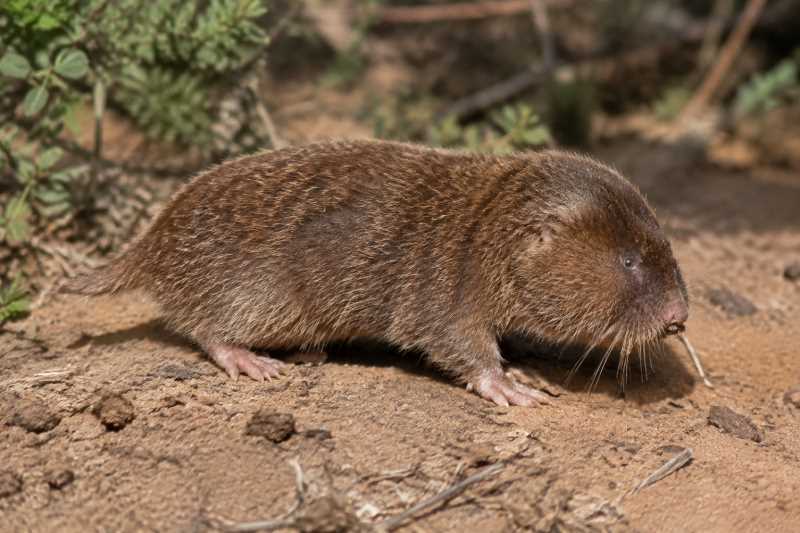
The Somali Striped Mole-rat is a medium-sized rodent, typically measuring between 15 to 25 centimeters in length, with a weight ranging from 100 to 200 grams. Their most distinguishing feature is their fur, which is predominantly grayish-brown with faint striped patterns running along the back, providing them with excellent camouflage in their subterranean environment. These stripes are more pronounced in some individuals, which has occasionally led to misidentification with other mole-rat species.
Adapted for a life underground, the Somali Striped Mole-rat possesses a cylindrical body shape, short limbs, and large, powerful forelimbs equipped with strong claws. These adaptations are essential for digging extensive tunnel systems. Their eyes are small and covered with a protective membrane, reflecting their reliance on other senses for navigation. They also have highly sensitive whiskers and an acute sense of smell, which they use to detect vibrations and locate food sources.
Range and Habitat
The Somali Striped Mole-rat is primarily found in the Horn of Africa, with its range predominantly covering Somalia and parts of Ethiopia. They inhabit semi-arid regions, preferring sandy and loamy soils that facilitate easy digging. Their habitats are characterized by sparse vegetation, which includes grasses, shrubs, and occasional acacia trees.
These mole-rats construct extensive burrow systems that can span several meters in length. The burrows serve multiple purposes, including protection from predators, maintaining a stable microclimate, and providing access to underground food resources. The complexity of these tunnel systems varies, with some featuring multiple chambers for nesting and food storage.
Behavior and Diet
Somali Striped Mole-rats are social animals, living in colonies that exhibit a eusocial structure similar to that of some insect species. A single breeding pair typically dominates the colony, while the remaining members assist in various tasks such as foraging, tunnel maintenance, and caring for young. This cooperative behavior is crucial for the survival of the colony, especially in the challenging environments they inhabit.
Their diet primarily consists of roots, tubers, and bulbs, which they locate using their acute sense of smell. The mole-rats play a significant role in the ecosystem by aerating the soil and dispersing seeds through their foraging activities. Despite their limited exposure to the surface, they can occasionally be seen above ground when searching for new food sources or expanding their burrow systems.
Identification Tips (Field Recognition Cues)
Identifying the Somali Striped Mole-rat in the field can be challenging due to their underground lifestyle. However, there are several cues that can assist observers:
- Burrow Entrances: Look for small, circular mounds of soil that indicate active burrow entrances. These mounds are often accompanied by freshly excavated soil.
- Fur Patterns: In rare surface sightings, note the grayish-brown fur with faint stripes, which distinguishes them from other mole-rat species.
- Size and Shape: Their cylindrical body shape and small eyes are adapted for a life spent mostly underground.
Conservation Status (with Threats and Protections)
The conservation status of the Somali Striped Mole-rat is currently not well-documented, largely due to their elusive nature and the remote regions they inhabit. However, they face several threats, including habitat degradation due to agricultural expansion and climate change, which affects the availability of food resources.
Conservation efforts for this species are limited, but they benefit indirectly from initiatives aimed at preserving the broader ecosystems of the Horn of Africa. Protecting their habitat from overgrazing and unsustainable agricultural practices is crucial for their survival. Further research is needed to better understand their population dynamics and implement effective conservation strategies.
Frequently Asked Questions
What is the primary diet of the Somali Striped Mole-rat?
The Somali Striped Mole-rat primarily feeds on roots, tubers, and bulbs, which they find underground using their keen sense of smell.
How do Somali Striped Mole-rats adapt to their subterranean lifestyle?
They have specialized adaptations such as powerful digging claws, a cylindrical body shape, and reduced eyesight, enabling them to thrive underground.
Where can the Somali Striped Mole-rat be found?
This species is primarily found in the Horn of Africa, specifically in Somalia and parts of Ethiopia, inhabiting semi-arid regions with sandy soils.
Are Somali Striped Mole-rats social animals?
Yes, they are social creatures living in eusocial colonies, similar to certain insect species, with a complex social structure involving cooperative behaviors.
What are the main threats to the Somali Striped Mole-rat?
Their main threats include habitat degradation due to agricultural expansion and climate change, impacting their food resources and living conditions.
Related posts