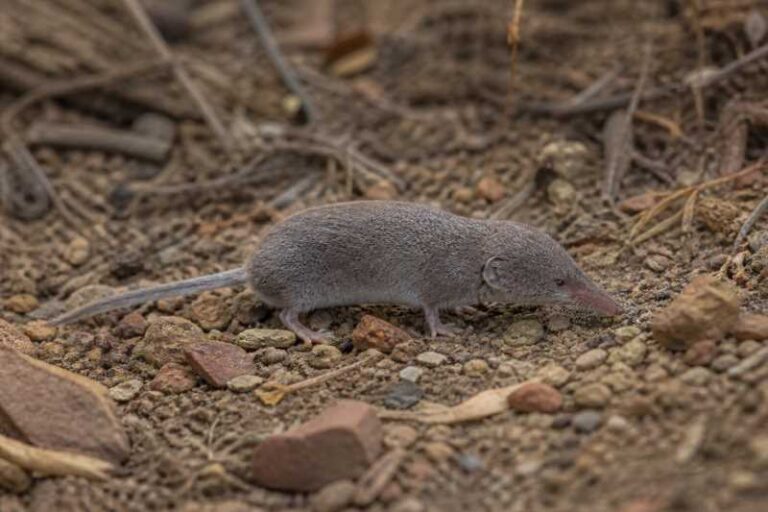
Bicolored Tuco-tuco (Ctenomys bicolor)
Introduction
The Bicolored Tuco-tuco (Ctenomys bicolor) is a fascinating species of subterranean rodent belonging to the family Ctenomyidae. This species is one of the many tuco-tucos, named for the distinct "tuc-tuc" sound they produce. These rodents are native to South America and are noted for their unique adaptations to a burrowing lifestyle.
The Bicolored Tuco-tuco plays an essential role in its ecosystem as a soil engineer, aiding in the aeration and turnover of the soil. Despite their ecological importance, these creatures are often overlooked in wildlife studies. This article delves into the various aspects of the Bicolored Tuco-tuco, including its physical characteristics, habitat, behavior, and the conservation challenges it faces.
Physical Description
The Bicolored Tuco-tuco is distinguished by its robust body and short limbs, adaptations that are vital for its digging lifestyle. This species has a body length ranging from 15 to 20 centimeters, with a weight of approximately 200 to 300 grams. Its fur is soft and dense, providing insulation against the cold underground environment.
As its name suggests, the Bicolored Tuco-tuco exhibits a distinct bicoloration. The dorsal fur is typically a darker, brownish hue, while the ventral side is lighter, often a creamy or whitish color. This coloration is thought to offer camouflage from predators when they occasionally venture above ground.
Their eyes are small and adapted to low-light conditions, and their ears are reduced to minimize the entry of soil during digging. The incisors of the Bicolored Tuco-tuco are prominent and ever-growing, a common trait among rodents, which aids in tunneling through the hard earth.
Range and Habitat
The Bicolored Tuco-tuco is endemic to a limited range in South America, primarily found in specific regions of Argentina and Bolivia. Their habitat consists of grasslands and semi-arid regions where they can dig extensive burrow systems.
These rodents prefer areas with loose, sandy soils that facilitate easier digging. The burrows of the Bicolored Tuco-tuco are complex, with multiple chambers used for nesting, food storage, and as escape routes from predators. The construction of these burrows plays a pivotal role in maintaining the structure and composition of the soil ecosystem.
Behavior and Diet
Bicolored Tuco-tucos are primarily solitary animals, with each individual maintaining its own burrow system. They are most active during the cooler parts of the day, such as early morning and late afternoon, to avoid the heat of the surface.
Their diet primarily consists of underground plant materials, including roots and tubers. They have also been observed foraging above ground for grasses and seeds, although this behavior is less common due to the increased risk of predation.
The tuco-tuco’s vocalizations, which resemble a "tuc-tuc" sound, are used to communicate territory boundaries and during mating. These sounds can often be heard above ground, especially during the breeding season.
Identification Tips
Field recognition of the Bicolored Tuco-tuco can be challenging due to their subterranean lifestyle. However, there are several cues that can aid in their identification:
- Burrow Entrances: Look for round, freshly dug burrow entrances in sandy or loose soil areas.
- Vocalizations: Listen for their characteristic "tuc-tuc" calls, especially during early morning or late afternoon.
- Coloration: If seen above ground, note the distinct bicolored fur pattern with a darker back and lighter belly.
Conservation Status
The Bicolored Tuco-tuco is currently classified as "Data Deficient" by the International Union for Conservation of Nature (IUCN), indicating a lack of comprehensive data on its population trends and threats. However, habitat destruction and fragmentation are significant concerns due to agricultural expansion and urban development.
Efforts to conserve the Bicolored Tuco-tuco include habitat protection and research initiatives aimed at understanding their ecological role and population dynamics. Protecting the grassland ecosystems they inhabit is crucial for maintaining the biodiversity of these regions.
Frequently Asked Questions
What adaptations help the Bicolored Tuco-tuco survive underground?
The Bicolored Tuco-tuco has several adaptations for subterranean life, including reduced eyes for low-light vision, strong incisors for digging, and a compact body to navigate narrow tunnels.
How does the Bicolored Tuco-tuco contribute to its ecosystem?
As a soil engineer, the Bicolored Tuco-tuco plays a crucial role in aerating the soil and promoting nutrient cycling, which benefits plant growth and overall ecosystem health.
Are Bicolored Tuco-tucos social animals?
Bicolored Tuco-tucos are primarily solitary, with each individual occupying its own burrow system. They interact mainly during the breeding season.
What threats do Bicolored Tuco-tucos face?
The primary threats include habitat destruction due to agriculture, urbanization, and climate change, which can alter their habitat and food availability.
How can we help protect the Bicolored Tuco-tuco?
Protecting their natural habitat through conservation areas and promoting research to better understand their ecological role can help safeguard the future of the Bicolored Tuco-tuco.
Related posts