Introduction
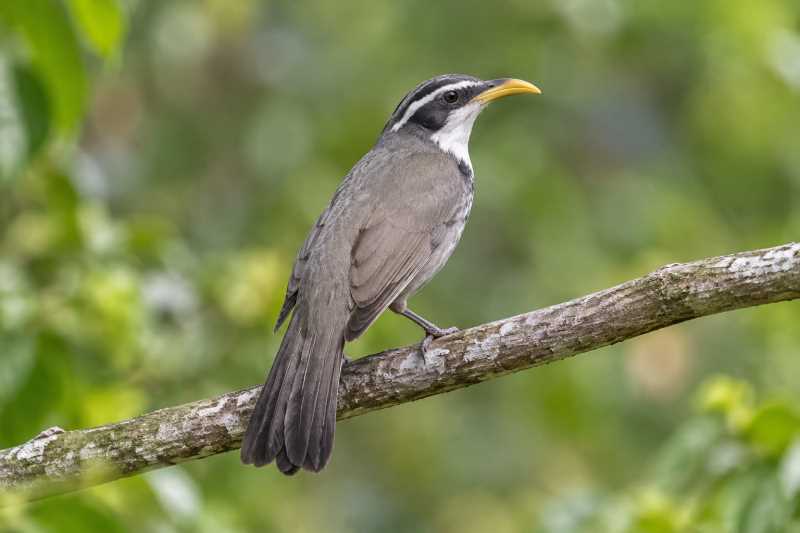
The Indian Scimitar Babbler (Pomatorhinus horsfieldii) is an enchanting bird species belonging to the family Timaliidae. Characterized by its distinctively curved bill, vibrant plumage, and melodious calls, this bird captures the interest of ornithologists and bird enthusiasts alike. Found primarily in the Indian subcontinent, the Indian Scimitar Babbler plays a crucial role in the ecosystem, helping maintain the delicate balance of its natural habitat.
Taxonomy and Nomenclature
The Indian Scimitar Babbler was first described by the renowned naturalist Thomas Horsfield in the early 19th century. Its scientific name, Pomatorhinus horsfieldii, pays homage to Horsfield’s significant contributions to ornithology. The genus Pomatorhinus is derived from Greek, where ‘poma’ means cover and ‘rhis’ means nose, referring to the bird’s distinctive bill shape. The common name ‘Scimitar Babbler’ is inspired by the curved, scimitar-like shape of its bill, which it uses adeptly for foraging.
Physical Description
The Indian Scimitar Babbler is a medium-sized bird, measuring approximately 20 to 25 cm in length. Its most striking feature is the long, downward-curving yellow bill, which is perfectly adapted for digging into the leaf litter and probing crevices in search of food. The plumage is predominantly brown, with a rufous tinge on the wings and tail, while the underparts are lighter, often displaying a cream or buff color. The bird’s eyes are typically strikingly white, providing a vivid contrast to its darker head and body.
Distribution and Habitat
This species is endemic to the Indian subcontinent, with its range extending from the Western Ghats and Eastern Ghats to the foothills of the Himalayas. It inhabits a variety of forest types, including evergreen, semi-evergreen, and deciduous forests, as well as scrublands and secondary growth areas. The Indian Scimitar Babbler is particularly fond of dense undergrowth, where it can easily forage and nest.
Behavior and Ecology
The Indian Scimitar Babbler is a highly social bird, often observed in small flocks. These flocks typically consist of family units, which work together to forage and protect their territory. The bird is predominantly insectivorous, feeding on a diverse diet of insects, spiders, and other small invertebrates. It uses its curved bill to deftly extract prey from the undergrowth, leaf litter, and bark.
Vocalization
Known for its delightful vocal repertoire, the Indian Scimitar Babbler communicates through a series of melodious whistles and calls. These vocalizations serve multiple purposes, including maintaining contact with flock members, defending territory, and attracting mates. The calls are often described as clear, flute-like notes that echo through the forest, adding a delightful soundtrack to the bird’s natural habitat.
Breeding and Nesting
Breeding typically occurs during the monsoon season, from June to August, when food resources are abundant. The Indian Scimitar Babbler constructs a cup-shaped nest using leaves, twigs, and grasses, which is often well-concealed within dense foliage or low shrubs. The female typically lays a clutch of 2 to 4 eggs, which are incubated by both parents. The chicks are altricial, requiring extensive parental care, and fledge after about two weeks.
Conservation Status
Currently, the Indian Scimitar Babbler is classified as a species of Least Concern by the International Union for Conservation of Nature (IUCN). However, habitat destruction due to deforestation and land-use change poses a significant threat. Conservation efforts focused on preserving natural habitats and promoting sustainable land management practices are crucial for ensuring the long-term survival of this species.
Cultural Significance
In many parts of India, the Indian Scimitar Babbler is considered a symbol of the lush, vibrant forests it inhabits. Its presence is often associated with healthy ecosystems, and its melodious calls are celebrated in local folklore and literature. The bird serves as a reminder of the rich biodiversity found within the Indian subcontinent and the importance of conserving its natural heritage.
Conclusion
The Indian Scimitar Babbler is a captivating species that plays a vital role in the ecosystems it inhabits. Its unique physical characteristics, social behavior, and melodious calls make it a fascinating subject for study and observation. As conservation efforts continue to protect its habitat, this remarkable bird will hopefully continue to thrive, adding its voice to the symphony of the Indian forests.
References
- Grimmett, R., Inskipp, C., & Inskipp, T. (2011). Birds of the Indian Subcontinent. Oxford University Press.
- Rasmussen, P. C., & Anderton, J. C. (2005). Birds of South Asia: The Ripley Guide. Smithsonian Institution and Lynx Edicions.
- Ali, S., & Ripley, S. D. (1987). Handbook of the Birds of India and Pakistan. Oxford University Press.
Further Reading
- "Birds of the Indian Subcontinent" by Richard Grimmett, Carol Inskipp, and Tim Inskipp provides an extensive guide to the bird species found in this region.
- "The Ripley Guide" by Pamela C. Rasmussen and John C. Anderton offers detailed information on the avifauna of South Asia.
Related posts