The Crescent-chested Babbler: A Jewel of Southeast Asian Avifauna
The Crescent-chested Babbler, scientifically known as Cyanoderma melanothorax, is a captivating species that inhabits the lush, verdant landscapes of Southeast Asia. This bird, though small in stature, is a prominent figure among birdwatchers and ornithologists alike due to its striking appearance and intriguing behaviors. This article delves into the various aspects of the Crescent-chested Babbler’s life, including its taxonomy, morphology, habitat, behavior, and conservation status.
Taxonomy and Classification
The Crescent-chested Babbler belongs to the family Timaliidae, which is part of the larger order Passeriformes. This order, often referred to as perching birds or passerines, includes more than half of all bird species. The genus Cyanoderma is characterized by small, insectivorous birds that are primarily found in the tropical and subtropical regions of Asia.
Originally described by the ornithologist Charles Lucien Bonaparte in 1850, the Crescent-chested Babbler has been subject to various taxonomic revisions. Its genus name, Cyanoderma, is derived from Greek, with ‘cyano’ meaning blue and ‘derma’ meaning skin, referring to the subtle bluish hue that can be observed in some lighting conditions on the bird’s plumage.
Morphological Features
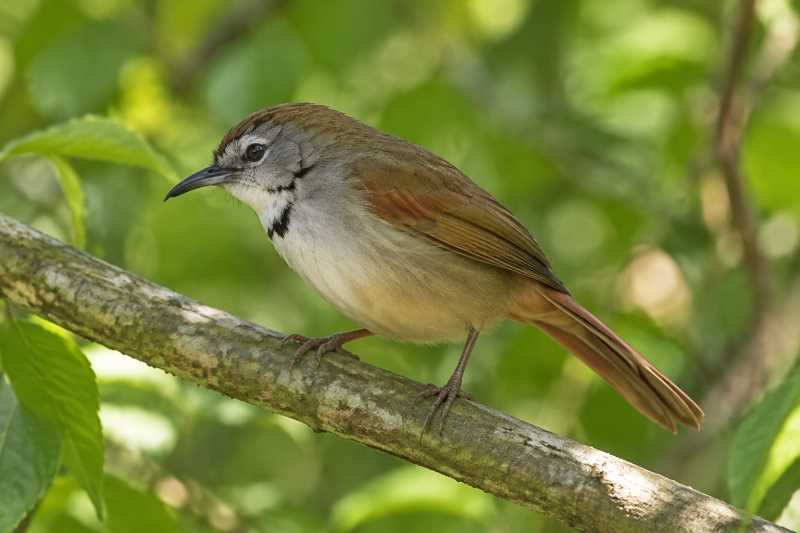
The Crescent-chested Babbler is a diminutive bird, measuring approximately 13 to 15 centimeters in length. Its most distinctive feature is the crescent-shaped band of dark feathers across its chest, which gives the bird its common name. The rest of its plumage is a blend of earthy browns and grays, which provides excellent camouflage within its forested habitat.
The babbler’s beak is short and slightly curved, adapted for its insectivorous diet. Its eyes are a striking, deep brown, set against a subtle white eye-ring that enhances its alert expression. The wings are rounded, and the tail is relatively long, aiding in its agile movements through dense underbrush.
Habitat and Distribution
The Crescent-chested Babbler is primarily found in the lowland and montane forests of Southeast Asia, with its range extending from southern Thailand through the Malay Peninsula and into Sumatra and Borneo. These birds prefer dense, humid forests, often thriving in regions with lush undergrowth and ample leaf litter, which provides a rich hunting ground for insects.
While the species is generally associated with primary forests, it can also be found in secondary growth and forest edges, demonstrating some adaptability to habitat changes. However, their populations are most robust in undisturbed, mature forests where they can find ample food and shelter.
Behavior and Ecology
Crescent-chested Babblers are known for their social and gregarious nature. They often form small flocks, which may include other babbler species, to forage together through the forest underbrush. This social behavior is not only beneficial for finding food but also offers protection from predators through increased vigilance.
Their diet primarily consists of insects and other small invertebrates, which they skillfully extract from foliage, leaf litter, and tree bark. These birds are also known to consume small quantities of fruit and seeds, especially during the breeding season when the nutritional demands are higher.
The vocalizations of the Crescent-chested Babbler are a key aspect of their social interactions. They communicate using a variety of calls, including sharp whistles and softer trills, which serve to maintain group cohesion and signal alarm.
Breeding and Reproduction
The breeding season for Crescent-chested Babblers typically coincides with the onset of the rainy season, which ensures a plentiful supply of food for raising their young. These birds are monogamous, and pairs are known to engage in elaborate courtship displays, which include synchronized movements and vocal duets.
Nests are constructed close to the ground in dense foliage, providing concealment from predators. The nests are cup-shaped and made from twigs, leaves, and other plant materials. Both parents participate in incubating the eggs and caring for the chicks, which hatch after approximately two weeks. The young fledge about two weeks after hatching but often remain with their parents for several more weeks, learning essential survival skills.
Conservation Status and Threats
The Crescent-chested Babbler is currently listed as Least Concern on the IUCN Red List, indicating that it is not considered at immediate risk of extinction. However, like many forest-dependent species, it faces threats from habitat loss and fragmentation due to logging, agricultural expansion, and urban development.
Conservation efforts aimed at protecting Southeast Asian forests are crucial for the continued survival of this species. Preserving large tracts of primary forest and promoting sustainable land-use practices can help mitigate the impact of human activities on their habitats.
Conclusion
The Crescent-chested Babbler is a fascinating example of the rich biodiversity found in Southeast Asian forests. Its striking appearance, social behavior, and adaptability to different forest environments make it a valuable subject of study for ornithologists and bird enthusiasts. While currently not endangered, ongoing conservation efforts are essential to ensure that this avian jewel continues to thrive in the wild for generations to come.
Related posts