The Dark-eyed White-eye: A Jewel of the Avian World
The Dark-eyed White-eye (Zosterops tetiparius) is a captivating bird species that continues to intrigue ornithologists and bird enthusiasts alike. Known for its distinct eye-ring and vibrant plumage, this bird is a testament to the remarkable diversity found within the avian world. As part of the Zosteropidae family, the Dark-eyed White-eye offers a fascinating glimpse into the intricate dynamics of bird ecology and behavior.
Taxonomy and Classification
The Dark-eyed White-eye is a member of the genus Zosterops, which encompasses a diverse group of small passerine birds. This genus is known for its adaptability and wide distribution across various geographic locations. The species name ‘tetiparius’ is derived from Latin, reflecting certain characteristic features of the bird. Despite its relatively small size, the Dark-eyed White-eye plays a significant role in its ecosystem, contributing to seed dispersal and pollination.
Physical Characteristics
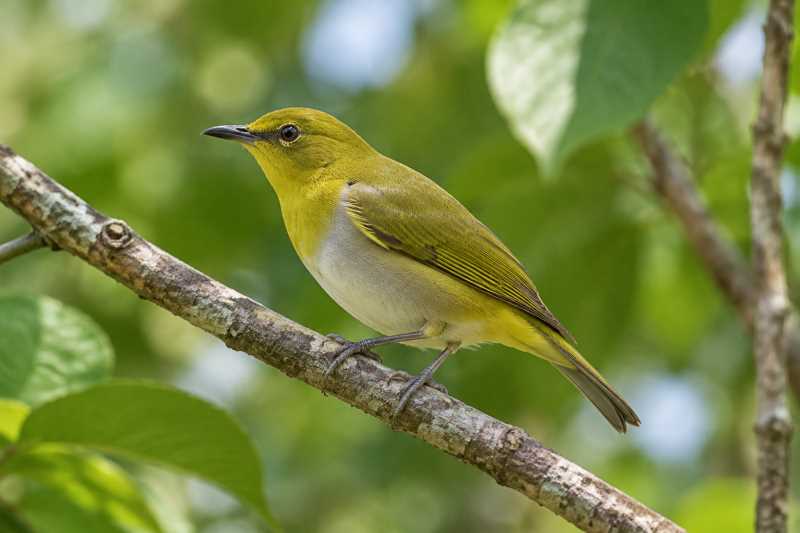
One of the most striking features of the Dark-eyed White-eye is its contrasting dark eye-ring. This feature not only gives the bird its name but also serves as a distinguishing characteristic among other species in the Zosterops genus. The plumage is predominantly olive green, with subtle variations in shade that can change with the bird’s age and environmental conditions. The underparts are usually a lighter yellow or white, providing a beautiful contrast to the darker upper body.
The bird’s small, agile body is perfectly adapted for maneuvering through dense foliage, a necessity given its natural habitat in forested regions. The Dark-eyed White-eye also exhibits a slightly curved bill, ideal for foraging both insects and nectar, indicating its omnivorous diet.
Habitat and Distribution
The Dark-eyed White-eye predominantly inhabits subtropical and tropical forests. Its range is primarily confined to certain regions, which contribute to its status as a species of interest among conservationists. The bird is often found in areas with dense undergrowth and a plentiful supply of flowering plants, which provide both food and shelter.
Due to its adaptability, the Dark-eyed White-eye can also be found in secondary forests and gardens, where it takes advantage of human-altered landscapes. This adaptability is a key factor in its survival, although habitat destruction remains a significant threat.
Behavior and Ecology
The Dark-eyed White-eye is a highly social bird, often observed in flocks that can range from a few individuals to several dozen. This social structure is beneficial for foraging, as it allows the birds to efficiently locate food sources and protect each other from predators.
Communication is primarily through soft calls and whistles, which facilitate coordination within the flock. These vocalizations are also used during mating rituals and territorial displays. The breeding season generally coincides with the availability of abundant food resources, ensuring that the young have the best chance of survival.
Diet and Feeding Habits
An omnivorous species, the Dark-eyed White-eye’s diet consists of a variety of insects, fruits, and nectar. This diet is facilitated by its specialized tongue, which can efficiently extract nectar from flowers. The bird plays a crucial role in its ecosystem as a pollinator and seed disperser, aiding in the propagation of various plant species.
Insects provide the necessary protein for growth and development, especially important during the breeding season when the energy demands are high. The bird’s feeding habits also contribute to insect population control, maintaining ecological balance.
Conservation Status and Threats
Currently, the Dark-eyed White-eye is not classified as endangered; however, it faces several threats that could impact its population in the future. Habitat loss due to deforestation and land conversion is the most significant threat, reducing the available natural habitat and food sources.
Climate change also poses a long-term threat, potentially altering the availability of resources and changing the distribution of suitable habitats. Conservation efforts are focused on habitat preservation and the establishment of protected areas to ensure the species’ continued survival.
Conclusion
The Dark-eyed White-eye is a remarkable example of avian diversity and adaptability. Its unique physical characteristics, social behavior, and ecological role underscore the importance of conserving such species for future generations. As we continue to study and understand the complexities of this bird, we are reminded of the intricate connections that bind all life on earth.
In conclusion, the Dark-eyed White-eye serves as a vibrant symbol of the rich biodiversity that our planet has to offer. Through concerted conservation efforts and increased awareness, we can help ensure that this jewel of the avian world continues to thrive.
Related posts