Introduction
The Forest White-eye (Zosterops stenocricotus) is a small, elusive bird that captivates birdwatchers and ornithologists alike. With its vibrant plumage and distinctive vocalizations, this species is an integral part of the biodiversity in its native habitats. This article provides an in-depth look at the Forest White-eye, exploring its taxonomy, physical characteristics, habitat, behavior, and conservation status.
Taxonomy and Classification
The Forest White-eye is a member of the Zosteropidae family, which encompasses small passerine birds commonly referred to as white-eyes. The genus Zosterops is known for its distinctive eye-ring, a feature that has made these birds easy to identify. Zosterops stenocricotus was first described in the early 20th century, and since then, it has been the subject of various studies aimed at understanding its evolutionary relationships within the Zosteropidae family.
Physical Characteristics
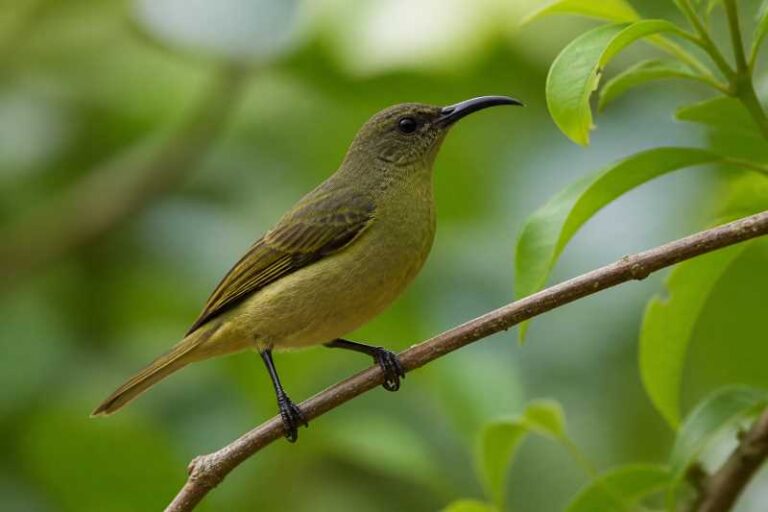
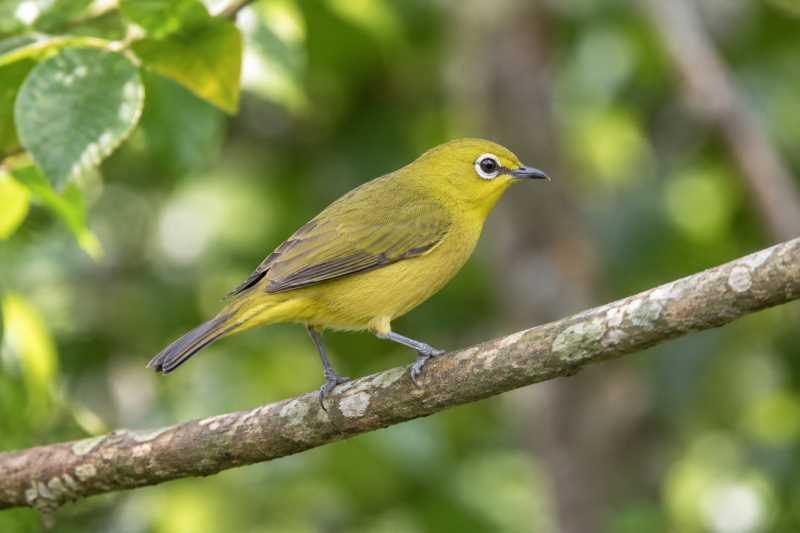
The Forest White-eye is a diminutive bird, measuring approximately 10-12 cm in length. Its most striking feature is the white ring around its eyes, a characteristic trait of the Zosterops genus. The plumage is predominantly green, with shades that vary slightly depending on the light and angle of observation. The underparts are usually lighter, with a subtle gradient transitioning to the olive-green back. The bill is slender and slightly curved, adapted for its insectivorous diet.
Habitat and Distribution
Zosterops stenocricotus is native to the montane forests of Central Africa, particularly in regions that offer dense canopy cover. These birds thrive in altitudes ranging from 1,200 to 2,400 meters above sea level. The dense forest environment provides ample food resources and nesting sites, making it an ideal habitat for the Forest White-eye. The species is mainly distributed across Cameroon and neighboring countries, where the montane forest ecosystems remain relatively undisturbed.
Behavior and Diet
The Forest White-eye is known for its social behavior, often seen in small flocks. These birds are highly active, constantly flitting between branches as they search for food. Their diet primarily consists of insects and small arthropods, which they expertly glean from leaves and bark. During certain seasons, they also consume nectar and fruits, which supplements their diet and provides additional energy.
The vocalizations of the Forest White-eye are another notable aspect of its behavior. These birds produce a series of high-pitched calls that serve both social and territorial purposes. The complexity of their songs varies, with some individuals displaying a remarkable repertoire of vocalizations.
Reproduction and Lifespan
Breeding typically occurs during the onset of the rainy season when food resources are abundant. The Forest White-eye is known for its cooperative breeding behavior, where multiple individuals may assist in rearing the young. Nests are typically built in the fork of branches, using fine twigs and leaves woven into a compact structure.
Clutch sizes usually range from 2 to 4 eggs, which are incubated for about two weeks. The fledglings are altricial, requiring extensive parental care before they become independent. The lifespan of the Forest White-eye in the wild is not well-documented, but it is assumed to be similar to other small passerines, ranging from 5 to 10 years.
Conservation Status
The International Union for Conservation of Nature (IUCN) currently lists the Forest White-eye as Least Concern. However, like many forest-dependent species, it faces potential threats from habitat loss and fragmentation. Deforestation for agriculture and logging poses significant risks to its habitat. Conservation efforts are crucial to ensure the preservation of montane forests, which support not only the Forest White-eye but a myriad of other species.
Conclusion
The Forest White-eye is a fascinating species that exemplifies the rich biodiversity of Central African montane forests. Despite its current conservation status, ongoing efforts to protect its habitat are essential for its long-term survival. As researchers continue to study this species, we gain valuable insights into the complex ecosystems these birds inhabit and the broader ecological roles they play.
References
- BirdLife International. (2023). Zosterops stenocricotus. The IUCN Red List of Threatened Species.
- Dowsett-Lemaire, F., & Dowsett, R. J. (1999). Birds of the Cameroon Highlands.
- Collar, N. J., & Stuart, S. N. (1985). Threatened Birds of Africa and Related Islands.
Acknowledgments
This article was compiled with the assistance of ornithologists and conservationists dedicated to understanding and preserving avian biodiversity in Central Africa.
Related posts