The Croaking Cisticola: A Detailed Overview
Introduction
The Croaking Cisticola (Cisticola natalensis) is a small passerine bird renowned for its distinctive call and widespread presence across sub-Saharan Africa. Despite its unassuming size and appearance, the Croaking Cisticola plays a vital role in its ecosystem and exhibits fascinating behaviors that have intrigued ornithologists and bird watchers alike.
Taxonomy and Distribution
Belonging to the family Cisticolidae, the Croaking Cisticola is one of the 45 species in the genus Cisticola. It is widely distributed across sub-Saharan Africa, with populations found in countries such as South Africa, Kenya, Uganda, and Zambia. These birds prefer habitats that include grasslands, savannas, and marshes, where they can easily forage and nest.
Physical Characteristics
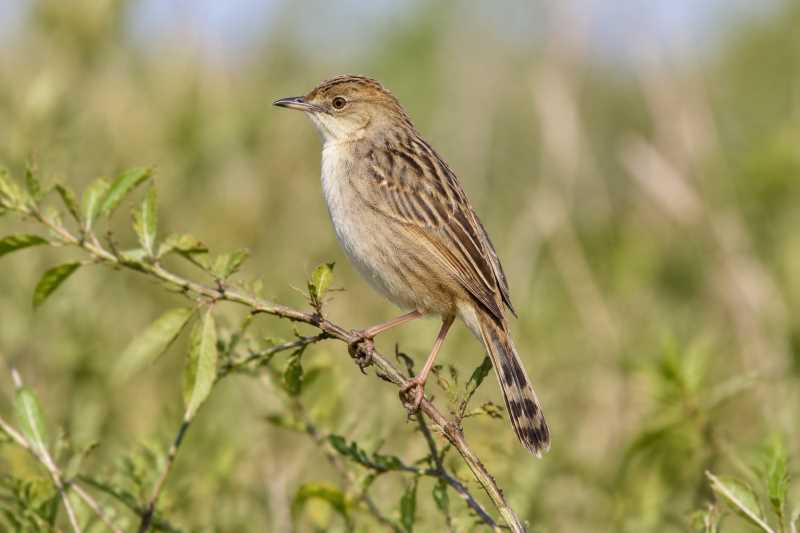
The Croaking Cisticola is a small bird, typically measuring around 12 to 15 centimeters in length and weighing approximately 12 to 15 grams. It has a short, rounded tail and a distinctive rufous cap. Its plumage is predominantly brown and streaked, providing excellent camouflage in its grassland habitat. The underparts are paler, often white or light beige, which can make identification challenging without hearing its unique call.
Vocalization and Behavior
The bird’s name, ‘Croaking Cisticola,’ is derived from its characteristic call, which resembles a frog’s croak. This repetitive, croaking sound is used primarily by males to establish territory and attract mates. The call is a vital part of their breeding behavior, especially during the rainy season when they are most active.
Croaking Cisticolas are highly territorial and exhibit remarkable aerial displays. Males perform elaborate flight patterns, fluttering above their territory to ward off rivals and impress potential mates. These displays, combined with their vocalizations, are crucial during the breeding season.
Breeding and Nesting
The breeding season of the Croaking Cisticola varies depending on their geographical location but generally coincides with the rainy season when food is abundant. The species is known for its intricate nest-building skills. The nests are typically globular and made from grass and spider webs, cleverly concealed within tall grasses to protect against predators.
Females lay between 2 to 4 eggs, which are incubated for about two weeks. Both parents are involved in feeding the chicks, which fledge approximately two weeks after hatching. The family remains together for some time, allowing the young to learn essential survival skills.
Diet and Feeding Habits
The Croaking Cisticola primarily feeds on insects and other small invertebrates. Their diet includes beetles, caterpillars, spiders, and occasionally seeds. They forage by hopping and flitting among grasses, using their sharp eyesight to spot prey. Their feeding habits play a crucial role in controlling insect populations, thereby maintaining ecological balance.
Conservation Status
The Croaking Cisticola is currently listed as a species of Least Concern by the International Union for Conservation of Nature (IUCN). Its wide distribution and stable population numbers contribute to this status. However, habitat destruction and changes in land use, particularly in agricultural regions, pose potential threats to their populations. Conservation efforts focusing on preserving grassland habitats are essential to ensure the continued survival of this species.
Human Interactions and Cultural Significance
While the Croaking Cisticola may not have the same cultural significance as larger, more charismatic birds, it holds a special place in the hearts of bird enthusiasts. Its distinctive call and elaborate displays make it a favorite among bird watchers. Furthermore, its presence is an indicator of healthy grassland ecosystems, highlighting the importance of biodiversity conservation.
Conclusion
The Croaking Cisticola is a fascinating species, with behaviors and adaptations that make it a unique member of the avian world. Its presence across sub-Saharan Africa underscores its adaptability and ecological importance. As with many wildlife species, ongoing conservation efforts are vital to ensure that future generations can continue to enjoy and study these remarkable birds. By understanding and protecting the habitats they rely on, we contribute to the broader goal of preserving the planet’s biodiversity.
References
- BirdLife International. "Cisticola natalensis". The IUCN Red List of Threatened Species.
- Stevenson, T., & Fanshawe, J. (2002). Field Guide to the Birds of East Africa. Princeton University Press.
- Zimmerman, D. A., Turner, D. A., & Pearson, D. J. (1999). Birds of Kenya and Northern Tanzania. Princeton University Press.
Related posts