The Black-browed Bushtit: An Ornithological Marvel of the East
Introduction
The Black-browed Bushtit (Aegithalos bonvaloti) is a fascinating avian species belonging to the family Aegithalidae. Known for its distinctive appearance and social behavior, this bird inhabits the forests and shrublands of Southeast Asia, predominantly in China, Myanmar, and India. The species’ unique characteristics and adaptability to various habitats have made it a subject of interest among ornithologists and bird enthusiasts alike.
Taxonomy and Nomenclature
The Black-browed Bushtit is classified under the genus Aegithalos, which encompasses several small, agile birds commonly referred to as long-tailed tits or bushtits. The specific epithet, "bonvaloti," honors the French explorer Gabriel Bonvalot, known for his expeditions in Asia. This nomenclature reflects the historical trend of naming species after notable figures in natural history and exploration.
Physical Characteristics
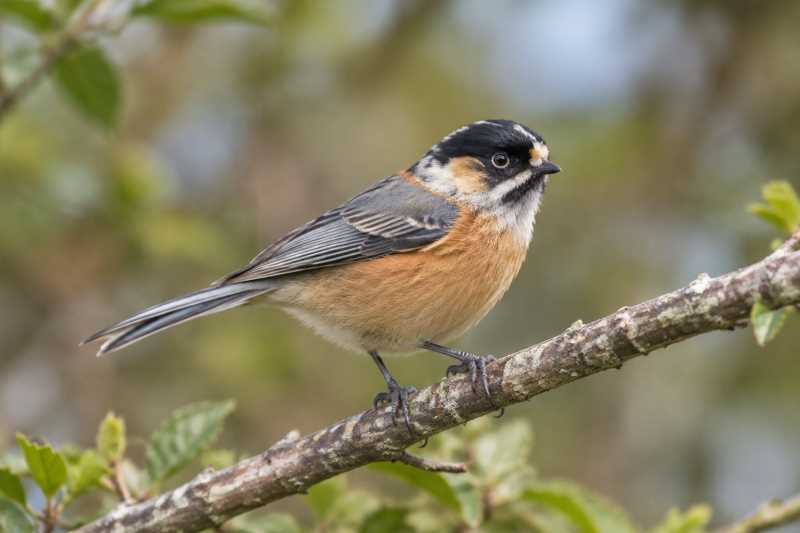
The Black-browed Bushtit is a small passerine bird, measuring approximately 11 to 13 centimeters in length. Its most distinguishing feature is the prominent black stripe above its eye, which gives the bird its name. The plumage is predominantly gray with subtle variations in shade across different parts of the body. The wings and tail are darker, providing a stark contrast to the lighter underparts.
The bird’s tail is notably long, accounting for nearly half of its total body length. This feature is not just a visual cue but plays a crucial role in its agile flight maneuvers. The beak is short and conical, adapted for its diet, which primarily consists of small insects and seeds.
Habitat and Distribution
The Black-browed Bushtit is native to the montane forests and subtropical regions of Southeast Asia. Its range extends across the high-altitude areas of Yunnan and Sichuan in China, the eastern Himalayas, and parts of Myanmar and India. These regions are characterized by dense forests with abundant undergrowth, providing the ideal environment for foraging and nesting.
The bird exhibits a remarkable ability to adapt to different altitudes, ranging from 800 to 3,500 meters above sea level. Its presence in both coniferous and broadleaf forests underscores its ecological versatility.
Behavior and Social Structure
Aegithalos bonvaloti is a highly social species, often observed in small, cohesive flocks. These groups typically consist of 10 to 30 individuals, including family groups and unrelated birds. Social interactions within these flocks are complex and include cooperative breeding, where multiple individuals assist in raising the young.
The Black-browed Bushtit is also known for its vocalizations, which consist of a variety of calls used for communication within the flock. These calls serve functions such as alerting members to the presence of predators, coordinating movements, and maintaining social bonds.
Breeding and Nesting
The breeding season for the Black-browed Bushtit typically occurs between April and June. Nests are ingeniously constructed using moss, feathers, and spider silk, which provide insulation and structural integrity. These nests are often strategically placed in dense foliage to camouflage them from predators.
The species is known for its cooperative breeding strategy, where multiple adults contribute to the care and feeding of the chicks. This communal approach increases the survival rates of the young, ensuring the continuation of the flock.
Diet and Foraging
The Black-browed Bushtit is primarily insectivorous, feeding on a diet that includes caterpillars, spiders, and other small arthropods. It also consumes seeds and berries, particularly during the winter months when insect prey is less abundant.
Foraging typically occurs in the mid to upper canopy, where the birds use their acrobatic skills to glean food from leaves and branches. The species’ long tail aids in balance and agility, allowing it to navigate the forest with ease.
Conservation Status
Currently, the Black-browed Bushtit is classified as "Least Concern" by the International Union for Conservation of Nature (IUCN). Despite this classification, the species faces threats from habitat loss due to deforestation and human encroachment. Conservation efforts are essential to preserve the natural habitats that support this and other avian species.
Conclusion
The Black-browed Bushtit stands out as a remarkable example of avian adaptability and social complexity. Its ability to thrive in diverse environments and its intricate social structures provide valuable insights into the ecological dynamics of forest ecosystems. Continued research and conservation efforts are crucial to ensure the survival of this captivating bird and the rich biodiversity of its habitat.
References
- BirdLife International. (2023). Aegithalos bonvaloti. The IUCN Red List of Threatened Species.
- del Hoyo, J., Elliott, A., & Christie, D. (Eds.). (2006). Handbook of the Birds of the World, Vol. 11. Old World Flycatchers to Old World Warblers. Lynx Edicions.
- MacKinnon, J., & Phillipps, K. (2000). A Field Guide to the Birds of China. Oxford University Press.
Related posts