The Enigmatic Buru Cuckooshrike: A Beacon of Biodiversity
The Buru Cuckooshrike (Coracina fortis) is a captivating yet lesser-known avian species that calls the Indonesian archipelago home. Nestled in the lush forests of Buru Island in the Maluku Islands, this bird holds a significant place in the tapestry of biodiversity that characterizes the region. Despite its somewhat elusive nature, the Buru Cuckooshrike offers an intriguing subject for ornithologists and bird enthusiasts alike, with its unique adaptations and important ecological role.
Habitat and Distribution
The Buru Cuckooshrike is endemic to Buru Island, which is part of the Maluku province in Indonesia. This island is characterized by its varied landscape, featuring dense lowland forests and montane regions that provide the perfect habitat for a variety of flora and fauna. The cuckooshrike predominantly inhabits subtropical or tropical moist lowland forests, which offer abundant food resources and nesting sites.
Buru Island itself is a biodiversity hotspot, with its forests serving as a refuge for many endemic species. This makes the preservation of its natural habitats vital not only for the Buru Cuckooshrike but also for the overall ecological health of the region.
Physical Characteristics
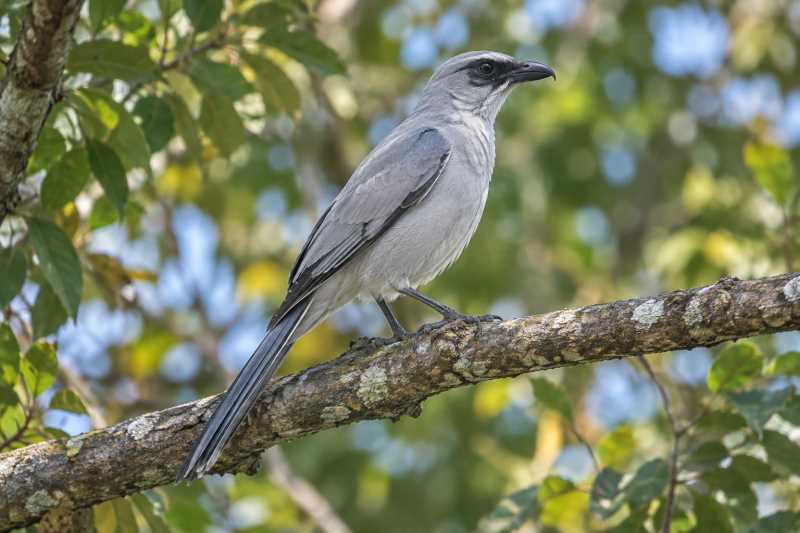
The Buru Cuckooshrike is a medium-sized bird, measuring approximately 28 to 30 centimeters in length. It exhibits sexual monomorphism, meaning that males and females are similar in appearance. The plumage of this bird is primarily slate-grey, with a lighter underbelly. Its wings are darker, lending a distinctive contrast. The bird’s stout bill and strong legs are adapted to its insectivorous diet, allowing it to forage efficiently among the trees.
One of the most striking features of the Buru Cuckooshrike is its vocalization. The species is known for its melodious and varied calls, which serve as both a means of communication and a territorial marker. These vocalizations are an essential tool for researchers trying to locate and study these birds in their dense forest habitats.
Behavior and Diet
The Buru Cuckooshrike is primarily insectivorous, feeding on a wide variety of insects and arthropods. Its diet may also include small fruits and seeds, depending on availability. The bird is an adept forager, often seen meticulously picking insects from foliage or catching them in flight.
Socially, the Buru Cuckooshrike can be observed singly or in pairs, and sometimes in small family groups. It is generally a sedentary species, with limited movement beyond its established territory. During the breeding season, which corresponds with the dry season on Buru Island, the cuckooshrike constructs a cup-shaped nest high in the canopy, where it lays two to three eggs.
Conservation Status
The Buru Cuckooshrike is currently listed as Near Threatened on the IUCN Red List of Threatened Species. The primary threat to its survival is habitat loss due to illegal logging and land conversion for agriculture. Buru Island’s forests are under pressure from human activities, which reduce the available habitat not only for the cuckooshrike but also for other endemic species.
Conservation efforts are crucial for maintaining the ecological integrity of Buru Island. Protecting large swathes of forest and implementing sustainable land management practices are essential steps in ensuring the survival of the Buru Cuckooshrike. Engaging the local communities in conservation efforts through education and alternative livelihood programs can also help alleviate pressure on the forests.
Research and Observation
Research on the Buru Cuckooshrike is limited, largely due to its restricted range and the challenging terrain of its habitat. However, ongoing studies aim to better understand its ecology, behavior, and population dynamics. Birdwatchers and researchers are encouraged to contribute to citizen science projects, which can provide valuable data on the distribution and status of the species.
Technological advancements such as bioacoustic monitoring and satellite mapping offer promising tools for studying the Buru Cuckooshrike. These methods can help overcome some of the logistical challenges associated with fieldwork in remote forest areas.
Conclusion
The Buru Cuckooshrike stands as an emblem of the unique biodiversity found on Buru Island. Its survival is intricately linked to the health of its forest habitat, underscoring the importance of conservation efforts in this region. By fostering a deeper understanding of this enigmatic bird and its ecological niche, we can contribute to the preservation of a vibrant and vital part of our natural world.
As we continue to explore and appreciate the wonders of avian diversity, the Buru Cuckooshrike reminds us of the delicate balance that sustains life on Earth. Through concerted conservation actions and ongoing research, we can ensure that future generations will have the opportunity to marvel at the beauty and complexity of this remarkable species.
Related posts