Introduction
The Lowland Peltops (Peltops blainvillii) is a fascinating bird species native to the lush lowland rainforests of New Guinea. Known for its striking appearance and intriguing behavioral patterns, the Lowland Peltops is a significant subject of study for ornithologists and bird enthusiasts alike. This article delves into the ecological significance, physical characteristics, behavior, and conservation status of this remarkable bird, offering a comprehensive overview for readers interested in avian biodiversity.
Taxonomy and Classification
The Lowland Peltops belongs to the family Artamidae, which also includes woodswallows, butcherbirds, and currawongs. The genus Peltops is comprised of two species: the Lowland Peltops (Peltops blainvillii) and the Mountain Peltops (Peltops montanus). The Lowland Peltops is named in honor of the French zoologist, Henri Marie Ducrotay de Blainville, reflecting its recognition and discovery in scientific communities.
Physical Characteristics
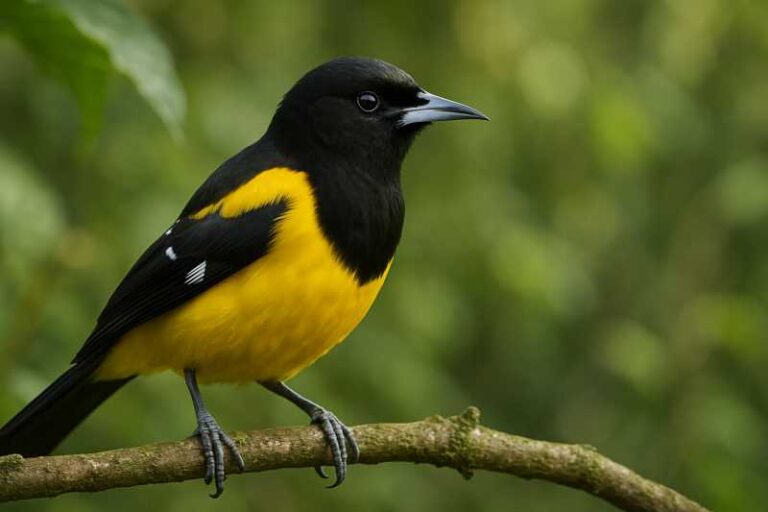
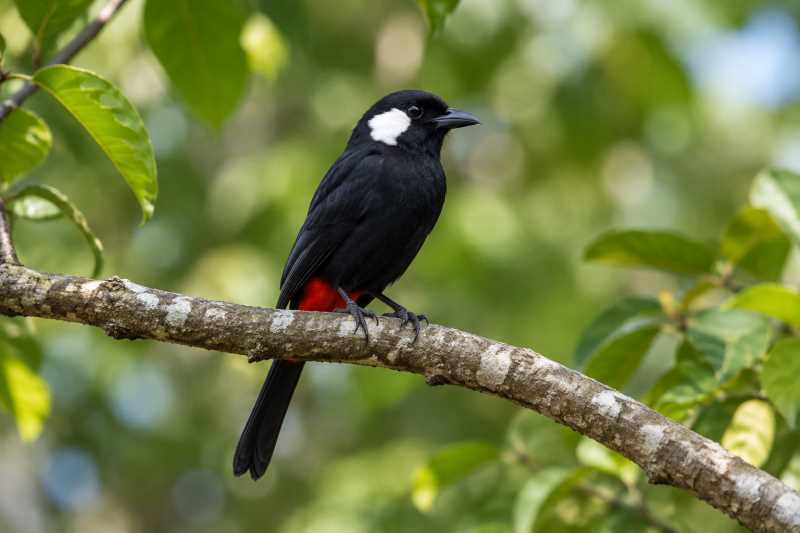
The Lowland Peltops is easily recognizable due to its distinctive coloration and robust build. Typically measuring around 18–20 cm in length, it features a predominantly black plumage with a stark white belly and a striking white patch on its wings. Its beak is short and stout, adapted for its omnivorous diet. The bird’s sharp eyes and strong legs make it an adept hunter, capable of quick movements through the dense forest foliage.
Habitat and Distribution
As its name suggests, the Lowland Peltops inhabits the lowland rainforests of New Guinea. It thrives in environments where dense canopy cover provides both protection and abundant food resources. These birds are often found at elevations ranging from sea level to about 600 meters, favoring areas with a rich diversity of plant and animal life.
Behavior and Diet
The Lowland Peltops is known for its lively and energetic behavior. It exhibits a dynamic foraging style, often seen flitting between branches in search of insects, fruits, and small vertebrates. This omnivorous diet allows it to adapt to seasonal variations in food availability, ensuring its survival in the competitive rainforest ecosystem.
Socially, Lowland Peltops are observed in pairs or small family groups. Their communication is marked by a series of sharp, melodious calls, used for both territory defense and maintaining contact with group members. During the breeding season, these calls become more frequent and varied, reflecting the heightened social dynamics of the period.
Reproduction
Breeding in Lowland Peltops typically occurs during the wet season when food resources are most abundant. They are monogamous, with both parents participating in raising the young. The nest is usually constructed high in the forest canopy, hidden among the leaves to protect against predators. The female lays a clutch of two to three eggs, with incubation duties shared between the male and female.
Ecological Role
The Lowland Peltops plays a crucial role in its ecosystem as both predator and prey. By controlling insect populations, these birds help maintain ecological balance within their habitat. In turn, they serve as prey for larger birds of prey and arboreal snakes, contributing to the intricate food web of the rainforest.
Conservation Status
Currently, the Lowland Peltops is classified as Least Concern by the IUCN Red List of Threatened Species. However, like many rainforest inhabitants, it faces threats from habitat destruction due to logging and agricultural expansion. Conservation efforts aimed at preserving New Guinea’s rainforests are vital for the continued survival of this and many other endemic species.
Conclusion
The Lowland Peltops is a testament to the rich biodiversity found in New Guinea’s lowland rainforests. Understanding its role in the ecosystem and the challenges it faces is crucial for conservation efforts. By appreciating the unique attributes and needs of the Lowland Peltops, we can contribute to preserving the delicate balance of life in these vital ecosystems.
References
- Beehler, B. M., & Pratt, T. K. (2016). Birds of New Guinea: Distribution, Taxonomy, and Systematics. Princeton University Press.
- Coates, B. J., & Peckover, W. S. (2001). Birds of New Guinea and the Bismarck Archipelago: A Photographic Guide. Dove Publications.
- IUCN Red List of Threatened Species. (2023). Peltops blainvillii: Lowland Peltops.
Further Reading
For those interested in learning more about the avian diversity of New Guinea, the following resources are recommended:
- The Birds of Papua New Guinea by Brian J. Coates
- New Guinea: Nature and Culture of Earth’s Grandest Island by Bruce M. Beehler
Related posts